Top Landscaping Services in Haven, KS, 67543 | Compare & Call

There are 109 landscaping companies server in Haven KS
New Look Landscape
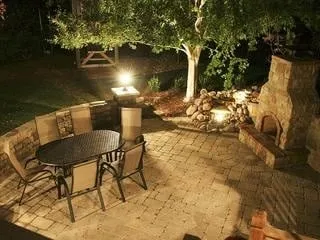
New Look Landscape was founded in Wichita by Steve Locke, whose passion for horticulture took root early. Starting a mowing business in the fifth grade and working at a local nursery in high school, S...
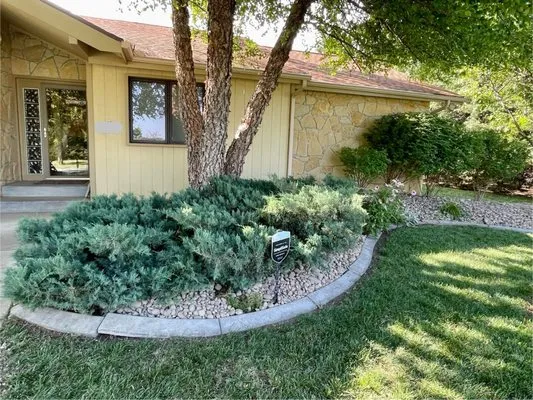
Bossy Oak Landscaping is a locally owned and operated landscaping company serving Andover, KS, and the surrounding areas since 2014. Licensed and insured, we provide comprehensive landscaping solution...
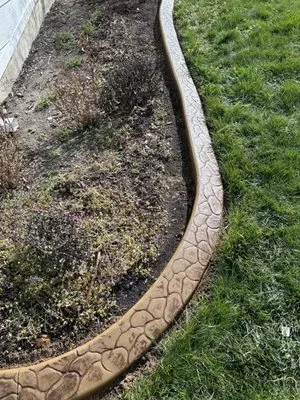
A and S Borders is a family-owned, licensed concrete edging service based in Valley Center, KS, specializing in continuous landscape curbing and irrigation solutions. We offer a wide variety of styles...
Jordan's Outdoor Services is a trusted Andover, KS provider of comprehensive tree services and landscaping solutions. We specialize in addressing common local landscaping challenges like standing wate...
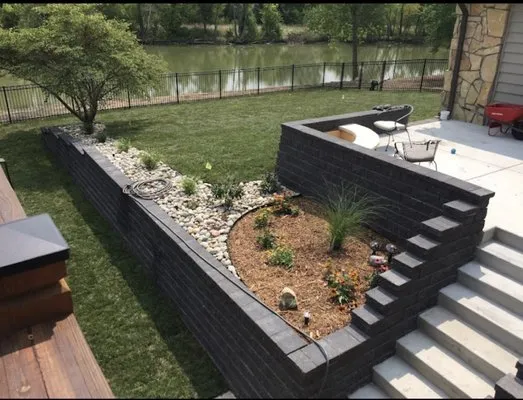
Daniel's Lawn & Landscaping Service
Daniel's Lawn & Landscaping Service began as a family-focused effort to earn extra income in Wichita, KS. What started as a side project quickly grew into a passion for transforming outdoor spaces thr...
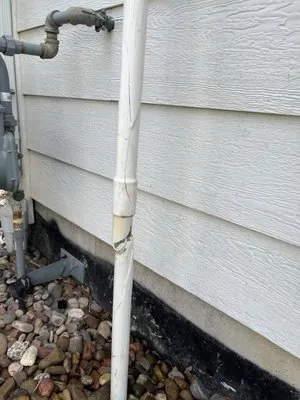
Gabe's Sprinkler Systems is a family-owned irrigation and lawn care business serving Wichita, KS since 2009. With over 15 years of hands-on experience, owner Gabe personally handles every project—from...

Tiny’s Lawn Service is a trusted, locally-owned lawn care provider dedicated to keeping Peck, KS lawns healthy and vibrant. We specialize in addressing the common local issues of bare lawn patches and...
Based in Wichita, Aaron's Lawn Service is a locally owned and operated company dedicated to providing reliable lawn care and snow removal for our community. We understand the specific challenges of ma...
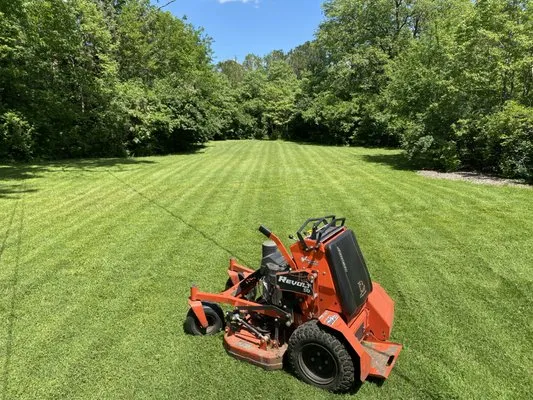
AB Mowing is a trusted local service provider in Wichita, KS, offering comprehensive solutions for lawn care, snow removal, and junk removal. With a focus on reliability and affordability, we handle e...

Justin Empire Fences is a Wichita-owned and operated company dedicated to enhancing outdoor living spaces. Founded in 2017 by Justin, a father of two, the business is built on a foundation of hard wor...
Estimated Landscaping Service Costs in Haven, KS
Questions and Answers
Why does my Haven Residential District lawn have such poor drainage and compacted soil?
Haven homes built around 1972 have soil that has matured for over 50 years. Silty clay loam common in this neighborhood naturally compacts over decades, reducing permeability. Core aeration with organic amendments like compost improves soil structure by increasing pore space for water movement and root growth. This addresses the moderate runoff issues while maintaining pH levels around 7.2-7.5.
What solutions address moderate runoff in clay-heavy Haven yards?
Clay-heavy silty clay loam requires permeability improvements through French drains, dry creek beds, or rain gardens. Crushed limestone hardscape provides better drainage than solid surfaces, meeting Reno County Planning & Zoning runoff standards. Incorporating 2-3% organic matter into soil increases infiltration rates. These measures reduce surface water accumulation while preventing erosion on sloped properties.
What permits and licenses are required for grading my 0.25-acre Haven property?
Grading projects exceeding 100 cubic yards require Reno County Planning & Zoning permits for erosion control compliance. Contractors must hold Kansas Department of Agriculture licensing for earth-moving operations on residential lots. Professional certification ensures proper slope stabilization and drainage integration. Unlicensed work risks fines and may void property insurance in the Haven Residential District.
How can I maintain Tall Fescue during voluntary water conservation periods?
Smart Wi-Fi ET-based controllers adjust irrigation schedules using real-time evapotranspiration data from local weather stations. These systems reduce water use by 20-30% while preserving turf health during Haven's Stage 0 conservation phase. Programming deep, infrequent watering encourages deeper root growth in Tall Fescue. This approach maintains municipal compliance while optimizing soil moisture in silty clay loam conditions.
What invasive species threaten Haven landscapes, and how are they managed?
Japanese knotweed and bindweed pose significant risks in Reno County, competing with native vegetation. Treatment involves targeted herbicide applications during active growth phases, following Kansas Department of Agriculture BMP guidelines. Mechanical removal combined with solarization prevents regrowth without violating fertilizer ordinances. Regular monitoring identifies new infestations before they establish in the silty clay loam soil.
Is crushed limestone better than wood for Haven patios and pathways?
Crushed limestone offers superior longevity with minimal maintenance compared to wood's decay susceptibility. Its permeable nature reduces runoff while providing stable surfaces in Haven's moderate fire-wise rating zones. This material creates defensible space by minimizing combustible materials near structures. Proper installation with geotextile fabric prevents weed growth and maintains structural integrity for decades.
How quickly can you respond to emergency storm damage for HOA compliance?
Emergency cleanup crews dispatch from Haven City Park via K-96, arriving within 20-30 minutes during peak response times. We prioritize downed branches, debris clearance, and safety hazards to meet HOA standards. Electric maintenance equipment operates within Haven's 7:00 AM to 9:00 PM noise ordinance while providing immediate service. This rapid response prevents secondary damage and maintains property aesthetics.
How can I reduce maintenance while supporting local biodiversity?
Replacing high-maintenance turf with Big Bluestem, Purple Coneflower, and Switchgrass creates resilient landscapes requiring minimal care. Native plants like Butterfly Milkweed and Leadplant support pollinators while adapting to Haven's 6b zone conditions. Electric equipment operates quietly within noise ordinances, eliminating gas-blower restrictions. This approach reduces water use by 60-70% compared to traditional lawns.
