Top Landscaping Services in Harper, KS, 67058 | Compare & Call

There are 62 landscaping companies server in Harper KS
New Look Landscape
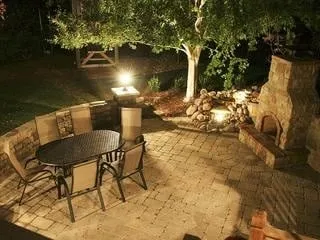
New Look Landscape was founded in Wichita by Steve Locke, whose passion for horticulture took root early. Starting a mowing business in the fifth grade and working at a local nursery in high school, S...
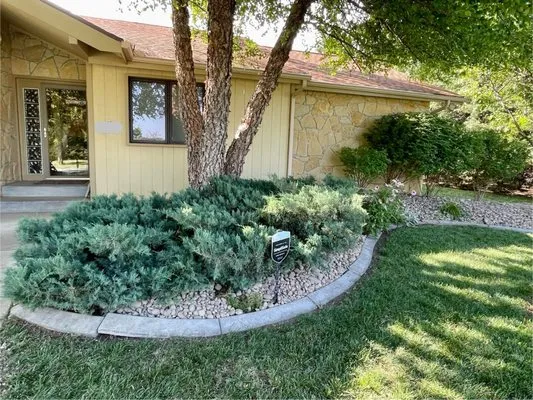
Bossy Oak Landscaping is a locally owned and operated landscaping company serving Andover, KS, and the surrounding areas since 2014. Licensed and insured, we provide comprehensive landscaping solution...
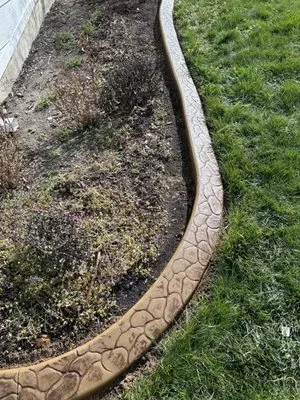
A and S Borders is a family-owned, licensed concrete edging service based in Valley Center, KS, specializing in continuous landscape curbing and irrigation solutions. We offer a wide variety of styles...
Jordan's Outdoor Services is a trusted Andover, KS provider of comprehensive tree services and landscaping solutions. We specialize in addressing common local landscaping challenges like standing wate...
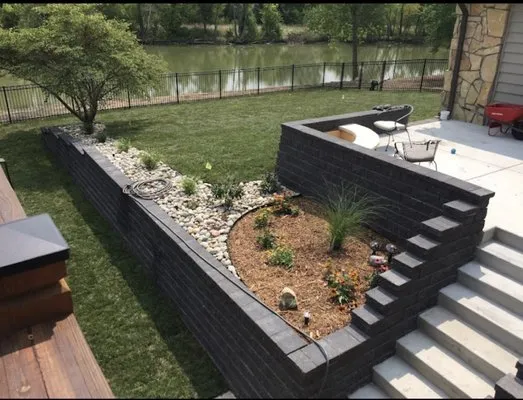
Daniel's Lawn & Landscaping Service
Daniel's Lawn & Landscaping Service began as a family-focused effort to earn extra income in Wichita, KS. What started as a side project quickly grew into a passion for transforming outdoor spaces thr...
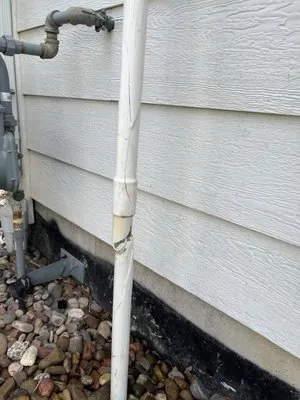
Gabe's Sprinkler Systems is a family-owned irrigation and lawn care business serving Wichita, KS since 2009. With over 15 years of hands-on experience, owner Gabe personally handles every project—from...

Tiny’s Lawn Service is a trusted, locally-owned lawn care provider dedicated to keeping Peck, KS lawns healthy and vibrant. We specialize in addressing the common local issues of bare lawn patches and...
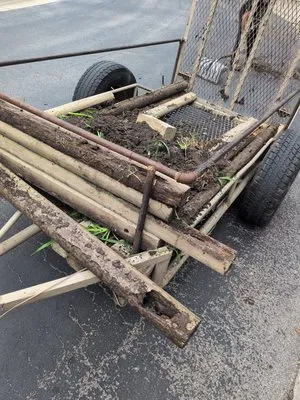
Mikes Landscaping is a trusted Wichita, KS-based provider specializing in lawn care, tree services, and nursery solutions. With deep local expertise, we help homeowners tackle common area challenges l...
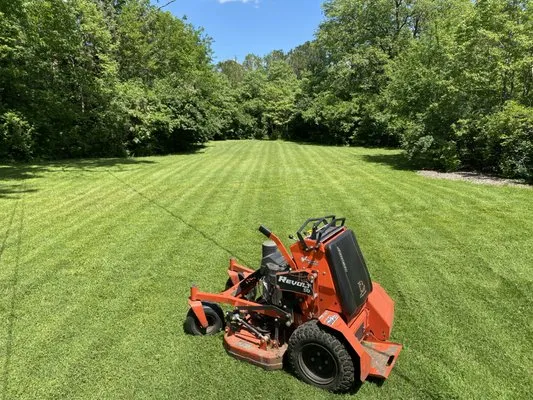
AB Mowing is a trusted local service provider in Wichita, KS, offering comprehensive solutions for lawn care, snow removal, and junk removal. With a focus on reliability and affordability, we handle e...

Justin Empire Fences is a Wichita-owned and operated company dedicated to enhancing outdoor living spaces. Founded in 2017 by Justin, a father of two, the business is built on a foundation of hard wor...
Estimated Landscaping Service Costs in Harper, KS
FAQs
Why choose local sandstone over wood for patios and walkways?
Local sandstone pavers offer 50+ year durability versus wood's 10-15 year lifespan in Harper's freeze-thaw cycles. Their non-combustible nature supports Moderate Fire Wise ratings by creating 30-foot defensible space without fuel accumulation. Sandstone's thermal mass moderates microclimates, reducing irrigation needs for adjacent plantings. Unlike wood requiring chemical treatments, sandstone maintains permeability (5-10 in/hr) that manages runoff while withstanding USDA Zone 6b temperature extremes from -5°F to 95°F.
Can I maintain healthy turf while following Harper's voluntary water conservation guidelines?
Smart Wi-Fi ET-based controllers precisely match irrigation to actual evapotranspiration rates, typically reducing water use by 20-30% compared to traditional timers. For Harper's USDA Zone 6b climate, Tall Fescue requires 1-1.5 inches weekly during peak summer months, while Buffalograss survives on 0.5-1 inch. These systems automatically adjust for rainfall and temperature fluctuations, maintaining turf health within municipal water limits. Voluntary conservation stages emphasize efficiency over restriction, making technology-driven irrigation essential.
What solutions address seasonal ponding in my silty clay loam yard?
Silty clay loam's slow permeability (0.1-0.3 in/hr) causes moderate runoff and seasonal ponding during spring thaws. Installing French drains with clean gravel and landscape fabric redirects subsurface water, while grading slopes at 2% minimum directs surface flow away from foundations. Permeable local sandstone pavers meet Harper City Zoning & Planning Department runoff standards by allowing 5-10 inches per hour infiltration. These combined approaches prevent erosion while managing the 25-30 inch annual precipitation typical for Zone 6b.
How can I reduce maintenance while preparing for stricter noise regulations?
Transitioning high-maintenance turf to native plantings like Big Bluestem, Butterfly Milkweed, and Purple Coneflower eliminates weekly mowing and gas-powered equipment use. These species thrive in Harper's silty clay loam with minimal irrigation once established, supporting 2026 biodiversity standards. Electric maintenance equipment already complies with noise ordinances, but native landscapes require only seasonal attention. This approach future-proofs properties against potential gas-blower restrictions while creating habitat for pollinators and birds.
What invasive species threaten Harper landscapes, and how do I treat them safely?
Japanese knotweed and musk thistle present significant invasion risks in Zone 6b, outcompeting native species and degrading soil health. Mechanical removal before seed set proves most effective, while targeted glyphosate applications during active growth phases avoid state BMP winter application restrictions. Always verify treatment timing against Kansas Department of Agriculture guidelines, as improper herbicide use during dormancy violates fertilizer ordinances. Regular monitoring prevents establishment, preserving biodiversity in 0.25-acre lots.
How quickly can you respond to an emergency storm cleanup that violates HOA regulations?
Emergency dispatch from the Harper County Courthouse area reaches Harper Central District properties within 45-60 minutes via US-160. Our electric maintenance fleet operates within standard daytime noise ordinances (7:00 AM-9:00 PM) while providing immediate debris removal. For time-sensitive compliance issues, we prioritize properties with documented violations, coordinating directly with HOA representatives to restore curb appeal within 24 hours of initial contact.
What permits and licenses are required for grading my 0.25-acre property?
Significant grading on 0.25-acre lots requires Harper City Zoning & Planning Department approval for erosion control and drainage plans. Contractors must hold Kansas Department of Agriculture landscaping licenses proving competency in soil management and water conservation. Projects moving more than 50 cubic yards of material typically need additional permits, as improper grading alters watershed patterns. Licensed professionals ensure compliance with state BMP guidelines and local ordinances, preventing violations that could necessitate costly remediation.
Why does my Harper Central District lawn have such compacted soil that struggles to absorb water?
Harper's residential lots, primarily developed around 1961, have 65-year-old soil profiles of silty clay loam. This soil type naturally compacts over decades of foot traffic and maintenance equipment use, reducing permeability to 0.1-0.3 inches per hour. Core aeration every 1-2 years introduces oxygen channels while incorporating 0.5 inches of composted organic matter improves soil structure. These amendments address the pH 7.2-7.8 alkaline conditions that limit nutrient availability for most turfgrasses.
