Top Landscaping Services in Goddard, KS, 67052 | Compare & Call


Custom Touch Lawn & Landscape
Custom Touch Lawn & Landscape has been serving the Goddard, KS community since 1996 as a family-owned and operated business. We specialize in comprehensive lawn care, landscaping, and irrigation solut...
Graves Tree Service and Landscaping is a trusted local provider in Goddard, KS, offering comprehensive tree care and landscape maintenance services. We specialize in addressing common local issues lik...

Fresh Cut Mowing Services is a family-owned and operated business proudly serving Goddard, KS, and the surrounding communities. Founded on a genuine love for lawn care, we've been helping neighbors ma...
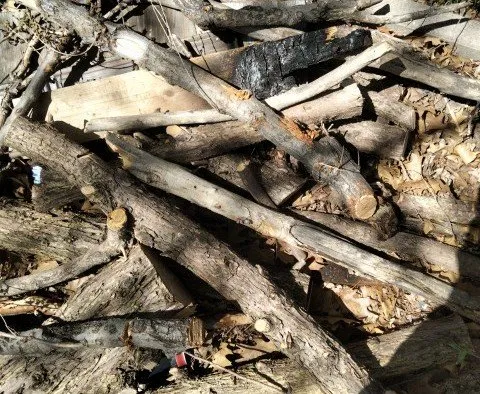
JV Property Maintenance is a trusted local lawn and tree service provider serving Goddard, Kansas. We specialize in comprehensive lawn care, tree care services, and insect management for trees, helpin...
Weed Man in Goddard, KS, is your local partner for a healthy, resilient lawn. We understand that Goddard homeowners face specific challenges like soil compaction and dying shrubs, which can rob your y...
Neighborhood Lawn Care
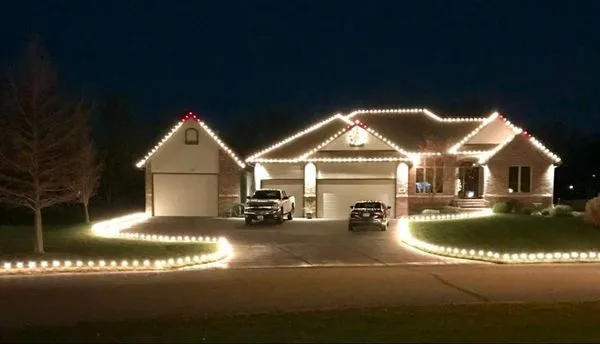
Neighborhood Lawn Care is your trusted local partner in Goddard, KS, dedicated to creating and maintaining healthy, resilient outdoor spaces. We understand the common local challenges like lawn insect...
Par-4 Landscaping & Lawn Care is a dedicated local service in Goddard, KS, focused on creating and maintaining healthy, resilient lawns for the community. We understand the common local challenges of ...
Major League Mowing is a professional landscaping company serving Goddard, KS, and surrounding areas. We specialize in solving common local yard problems, such as standing water and dying shrubs, whic...
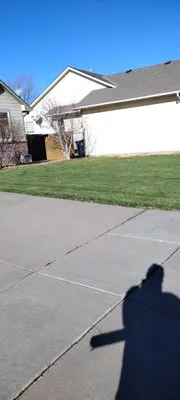
TJ's Lawncare is a professional lawn service provider based in Goddard, KS, dedicated to delivering reliable, high-quality lawn care for local residents. We focus on applying a professional touch to e...
Josiah Lawn Care is a trusted, locally-owned lawn service provider in Goddard, Kansas. We specialize in comprehensive lawn care tailored to the specific challenges of our community, such as soil compa...
FAQs
Why is proper licensing so important for grading and landscaping work on our quarter-acre lot?
Licensing, particularly through the Kansas Department of Agriculture for pesticide application or the city for significant grading, is a public safety and environmental protection measure. On a 0.25-acre lot, even minor grading errors can divert water onto a neighbor's property or cause foundation issues, potentially violating Goddard City Planning & Zoning codes. A licensed professional carries the required insurance and understands the specific regulations governing soil disturbance, drainage, and chemical use, protecting you from significant liability.
If a storm causes major limb damage, what's your emergency response time to the Linear Park District?
Our emergency cleanup crews dispatch from the Goddard Linear Park maintenance yard. Taking US-54 provides the most direct arterial route into your neighborhood. Accounting for peak traffic and debris on secondary roads, we commit to an on-site assessment within 20-30 minutes of dispatch. This protocol prioritizes clearing hazards that threaten structures or block driveways to ensure safety and initial HOA compliance, with detailed debris removal following.
Our lawn in Linear Park District seems to have poor soil. What's the issue, and how do we fix it?
Homes built around 2001, like many here, sit on 25-year-old fill soil that lacks mature structure. This is likely Ness Clay Loam with a pH of 7.2-7.8, which becomes dense and compacted, inhibiting root growth and water percolation. The solution is not just fertilizer but physical intervention: core aeration to relieve compaction, followed by amending with 1/2 inch of quality compost to build stable organic matter. This process directly addresses the native soil's slow permeability and sets the stage for healthy turf or native plantings.
What invasive species should we watch for, and how do we treat them safely?
In our area, watch for invasive grasses like Crabgrass and Nutsedge, and woody plants like Eastern Redcedar encroachment. Treatment must be strategic to comply with local ordinance; for example, phosphorus-containing fertilizers are prohibited unless a soil test confirms a deficiency. Safe removal often involves targeted, non-residual herbicide applications at specific growth stages, combined with physical removal and pre-emergent strategies. Always schedule treatments outside of any potential blackout dates for pollinator activity to protect beneficial insects.
Our yard holds water for days after rain. What's a long-term solution?
Persistent saturation is characteristic of the underlying Ness Clay Loam, which has very slow permeability. Simply adding drain tile often fails if water cannot infiltrate the surface. The integrated solution regrades to create positive surface flow away from foundations and replaces impermeable surfaces with materials like permeable limestone pavers. This system allows water to infiltrate on-site, meeting City Planning & Zoning runoff standards and recharging groundwater, rather than overwhelming the storm sewer.
How can we keep a Tall Fescue lawn healthy during Stage 1 water restrictions?
Effective irrigation under voluntary conservation requires precision. A Wi-Fi ET-based weather-sensing controller is essential; it automatically adjusts runtime by using local evapotranspiration data, preventing overwatering. For Tall Fescue in Zone 6b, this typically means deep, infrequent watering cycles of about 1 inch per week, applied in the early morning to minimize evaporation. This technology ensures your lawn receives exactly what it needs from the municipal supply, aligning water use with actual plant demand and climate conditions.
Is limestone a better choice than wood for a new patio, considering longevity and fire safety?
Permeable limestone pavers offer significant advantages over wood. Their mineral composition provides centuries of durability with no risk of rot, warp, or insect damage, requiring only occasional re-sanding. From a fire-wise perspective, limestone is a non-combustible material that contributes to the defensible space required in our Moderate Wildland-Urban Interface rating. It creates a permanent, safe zone adjacent to the home, unlike wood decking which represents both a fuel source and a maintenance liability.
We want to reduce mowing and gas equipment noise. What are our options?
Transitioning to a landscape dominated by regional natives like Little Bluestem, Purple Coneflower, and Butterfly Milkweed directly addresses both concerns. These deep-rooted plants require no weekly mowing, eliminating a primary source of noise, and are adapted to thrive with minimal supplemental water. This xeriscape approach future-proofs your property against tightening noise ordinances on gas-powered blowers and mowers, while providing superior habitat, aligning with 2026 biodiversity and conservation priorities.
