Top Landscaping Services in Fawn Creek, KS, 67301 | Compare & Call

There are 21 landscaping companies server in Fawn Creek KS
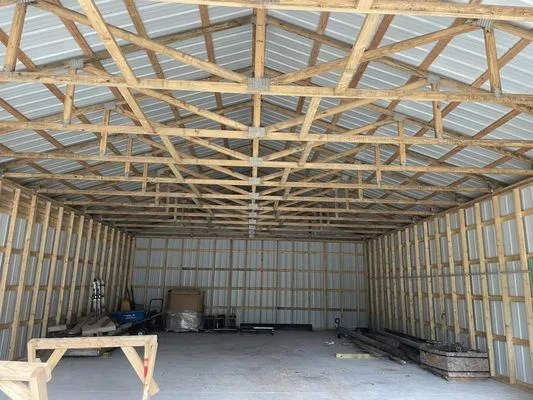
JT Companies in Pittsburg, KS, is a trusted local home services provider that has grown from a small lawn care operation in 2013 into a comprehensive contractor serving Southeast Kansas and the surrou...
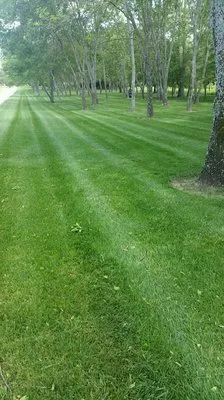
Turf Bros. Lawn and Landscape is a family-owned business built from the ground up in Altamont, KS. It all started when Mike Krewson began mowing lawns at age 13. Now, alongside his brother, he has gro...

Challenger Construction Corporation DBA Challenger Hydroseeding
Based in Girard, Kansas, Challenger Construction Corporation, doing business as Challenger Hydroseeding, is a licensed specialist in erosion control and seeding. As a full-service provider, we serve t...
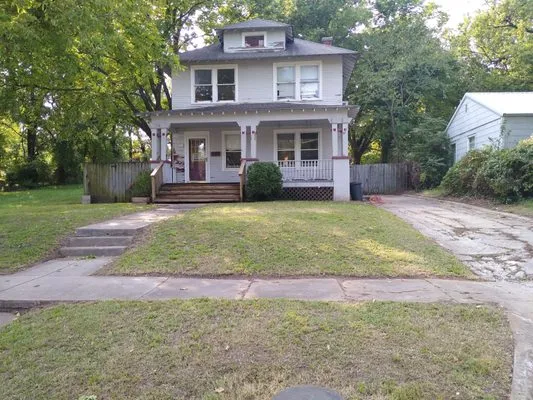
James of All Trades is your trusted, local handyman serving Cherryvale, KS, and the surrounding area. We specialize in a wide range of home repair, maintenance, and lawn care services, designed to tac...
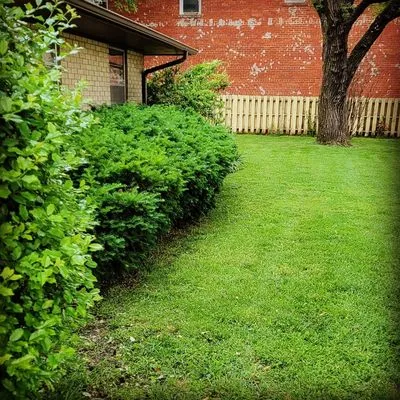
Bullpup Lawn Services is a dedicated landscaping company serving Caney, KS, and the surrounding area. We specialize in comprehensive lawn care and landscape maintenance tailored to the unique needs of...
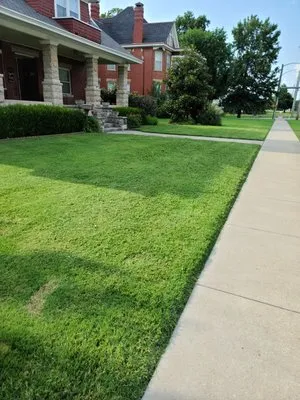
HALES LANDSCAPING in Independence, KS, is a full-service architectural landscaping firm that transforms properties from concept to completion. We combine landscape design and architectural project man...

Barefoot Lawn Care is a trusted local landscaping company serving Coffeyville, KS, dedicated to solving common lawn and shrub problems in our community. We specialize in diagnosing and treating dead l...
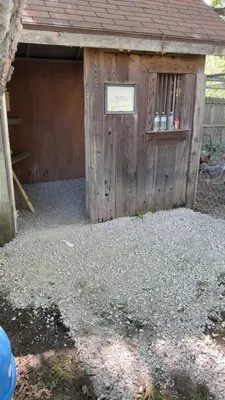
A1 Mowing and Landscaping is a locally and family-owned lawn and tree care service proudly serving Coffeyville, KS. Founded to honor the legacy of a WWII veteran grandfather and a hardworking father, ...

Marshall Construction is a trusted, full-service contractor serving Neodesha and the surrounding area. We specialize in general contracting, siding, and comprehensive landscaping services to enhance a...
Plush Lawn Services is a trusted lawn care provider serving Independence, KS, dedicated to maintaining healthy, beautiful lawns for local homeowners. We specialize in comprehensive lawn care services,...
Estimated Landscaping Service Costs in Fawn Creek, KS
Questions and Answers
We get seasonal ponding in our backyard's low spots. What's a long-term solution that won't look out of place?
Seasonal ponding indicates poor surface drainage, exacerbated by the low infiltration rate of Silty Clay Loam. A functional and aesthetic solution involves creating a dry creek bed or a permeable patio using local Native Limestone. This material allows water to percolate between joints while directing surface flow away from problem areas. Such designs often meet Montgomery County Planning & Zoning runoff standards by managing water on-site, turning a drainage hazard into a landscape feature.
We're adding a patio and are considering wood decks versus stone. What's better for longevity and fire safety here?
Given Fawn Creek's Moderate Wildland-Urban Interface rating, non-combustible materials are advised for defensible space. Native Limestone is the superior choice for longevity and fire resistance. Unlike wood, it requires no sealing, will not rot or warp, and has an indefinite lifespan in this climate. A properly installed limestone patio also adds negligible fuel for fire, enhancing your home's defensible space while providing a permanent, low-maintenance outdoor living area.
We want to regrade our backyard to fix drainage. What permits and contractor qualifications are needed for a 0.35-acre lot?
Regrading that alters water flow patterns on a 0.35-acre lot typically requires an Erosion and Sediment Control permit from Montgomery County Planning & Zoning. It is imperative to hire a contractor licensed by the Kansas Department of Agriculture for horticultural landscaping. This licensing ensures they carry the proper insurance and understand the technical aspects of soil movement and final grade to prevent creating new drainage issues for your or neighboring properties.
A storm caused major branch debris, and our HOA requires a quick cleanup. How fast can a crew get here?
For an emergency debris response in Central Fawn Creek, a dispatched crew would route from our operational hub near Fawn Creek City Park onto US-75. Accounting for traffic conditions and on-site assessment, a standard arrival window during peak hours is 45 to 60 minutes. This timeline allows for safe transit and ensures the team arrives prepared with the necessary electric chippers and hauling equipment to achieve HOA compliance efficiently.
I want to reduce mowing and gas-powered maintenance. What are good native alternatives for my sunny yard?
Transitioning sunny areas to a native plant community is a forward-thinking strategy. Species like Purple Coneflower, Little Bluestem, Butterfly Milkweed, and Switchgrass are adapted to Zone 6b conditions and require no supplemental fertilizer once established. This planting dramatically reduces mowing frequency, eliminates the need for gas-powered blowers—aligning with future noise ordinance trends—and provides critical habitat. The deep root systems of these natives also improve soil structure and drought resilience.
I've spotted what looks like Japanese Knotweed. How should I handle it without breaking local fertilizer rules?
Japanese Knotweed is a highly invasive alert species that requires immediate and persistent management. Treatment involves careful, targeted application of glyphosate-based herbicide directly to the foliage, strictly following label instructions. This approach is permissible under the local ordinance, which restricts only phosphorus fertilizers. It is critical to begin treatment now and continue for multiple seasons, as the plant's extensive rhizome system makes eradication a multi-year process. Never attempt to mow or dig it, as this spreads fragments.
Our yard in Central Fawn Creek seems compacted and struggles to absorb water. Is this normal for older homes here?
This is a common condition in the neighborhood, directly linked to the age of the homes. With an average build year of 1979, the soil on your property has undergone over 45 years of standard maintenance, leading to significant compaction in the native Silty Clay Loam. This soil type has naturally low permeability, and decades of foot traffic and mowing equipment have degraded its structure. Restoring percolation requires core aeration and the incorporation of composted organic matter to rebuild pore space and microbial activity.
With Stage 1 water conservation in effect, how can I keep my Tall Fescue healthy without wasting water?
Modern Wi-Fi ET-based irrigation systems are designed for this precise scenario. The controller automatically adjusts watering schedules by downloading local evapotranspiration data, applying water only when the turfgrass needs it. This technology often reduces water use by 20-30% compared to traditional timers, keeping your Tall Fescue resilient while respecting voluntary municipal limits. Properly programming these systems for your specific Silty Clay Loam soil is key to deep, infrequent watering that encourages root growth.
