Top Landscaping Services in Fairview, KS, 66066 | Compare & Call

There are 96 landscaping companies server in Fairview KS
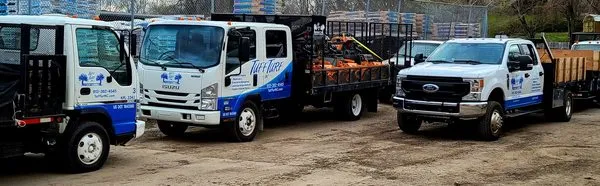
Tuff Turf Landscape
Since 1989, Tuff Turf Landscape has been a trusted name in Merriam, KS, built on a foundation of personalized service and fair pricing. Founded by Alan Schroder, who left a large firm to offer a more ...
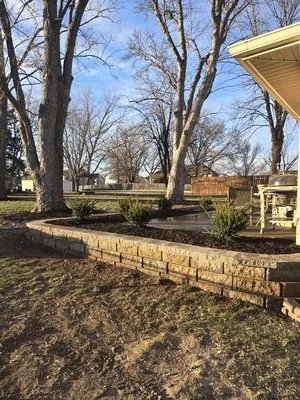
Otero Landscaping LLC is a locally owned and operated landscaping company serving Overland Park, KS, and the surrounding Kansas City area. With over 14 years of industry experience and established in ...
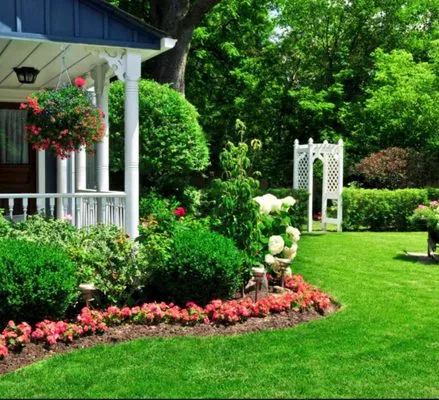
MT Landscapes is a locally owned and operated landscaping service in Overland Park, founded by Emiliano Meza Torres. Emiliano brings a fresh, dedicated approach to yard work, combining hands-on experi...
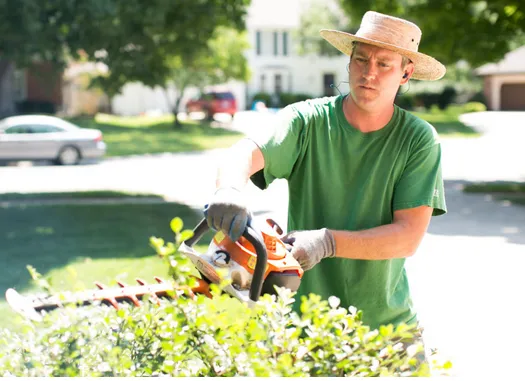
Happy Yards KC
Happy Yards KC is a Prairie Village-based landscaping company with over a decade of experience serving Leawood and Johnson County. What began as a small side business maintaining just a few yards has ...
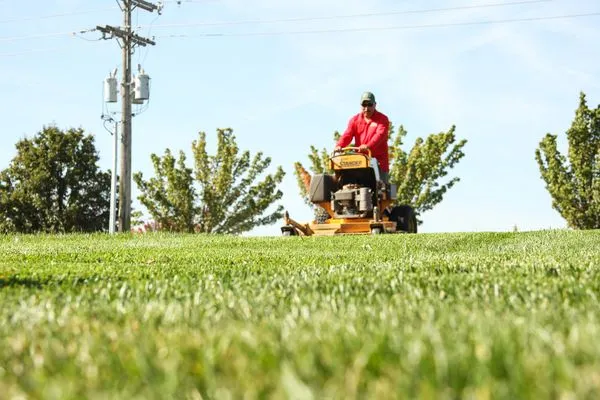
Custom Lawn & Landscape is a family-owned lawn care and landscaping company serving Olathe and Johnson County, Kansas since 1981. With over 30 years of experience, we provide comprehensive services in...
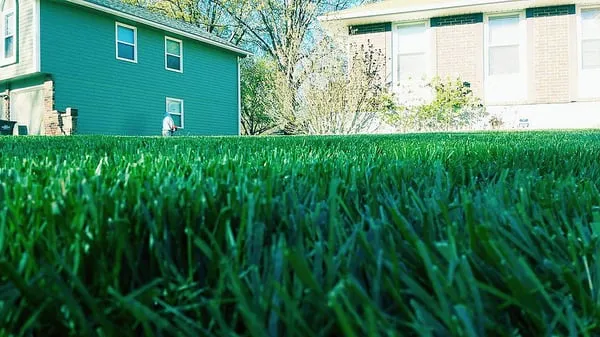
Josh's Lawn Care is your trusted local landscaping and tree service provider in Shawnee, KS. We specialize in comprehensive landscape maintenance and professional tree care services to keep your outdo...
Heartland Turf and Landscape began in 1999 as a small lawn care service started by two brothers while attending KU. What started as a way to earn income during school grew into a full-service landscap...
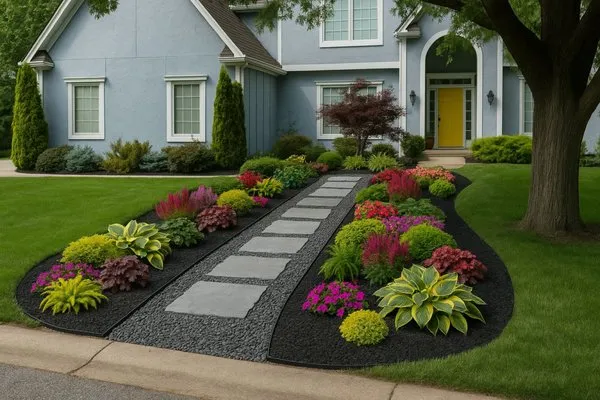
GreenArt Landscaping is a full-service landscape architecture and construction firm serving Kansas City, KS. We provide comprehensive solutions from initial design to long-term maintenance, focusing o...
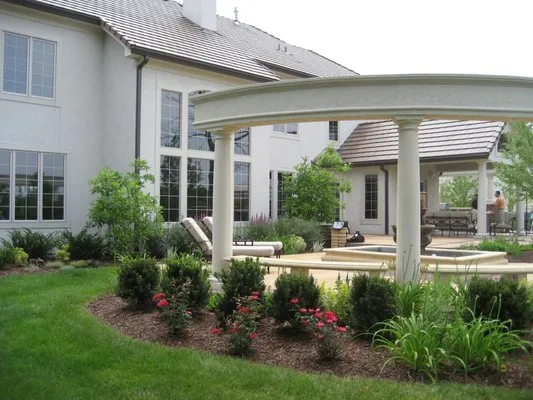
Laura, the founder of Creative Outdoor Spaces, brings over 30 years of landscape design and horticultural expertise to every project in Prairie Village and beyond. Operating from Prairie Village, KS, ...
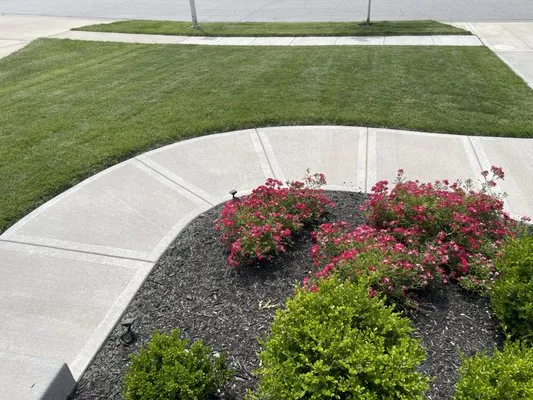
Aspen Lawn & Pest Control
Aspen Lawn & Pest Control has been a trusted name in Olathe since 1985, when owner Kent Girton started with borrowed equipment and a commitment to excellence. Today, our team continues that legacy by ...
Estimated Landscaping Service Costs in Fairview, KS
Common Questions
What should I watch for with invasive weeds, and how do I treat them?
Vigilance for invasive species like Japanese knotweed or musk thistle is critical. Treatment requires a targeted, integrated approach. For chemical controls, always use Kansas Department of Agriculture-registered products and strictly adhere to State Standard Regulatory Compliance dates, which prohibit certain fertilizer and herbicide applications during specific blackout periods to protect water quality. Manual removal and promoting dense native plant cover are effective first steps.
What's the best way to fix seasonal ponding in my yard?
Moderate runoff and ponding are common in silt loam soils due to surface sealing and slow permeability. A functional solution integrates subsurface French drains or dry creek beds with permeable hardscaping. Using precast concrete pavers set in a permeable base system can significantly reduce surface runoff, helping a project meet Brown County Planning & Zoning standards for stormwater management while correcting the hydrology of your lot.
What permits and licenses are needed to regrade my backyard?
Regrading a 0.35-acre lot typically requires a permit from Brown County Planning & Zoning if you alter water flow patterns or modify contours significantly. Furthermore, the contractor performing the work must hold appropriate licensing through the Kansas Department of Agriculture, which regulates landscape architecture and contracting. This ensures the work complies with erosion control standards and protects you from liability related to improper drainage affecting neighboring properties.
How can I keep my lawn green during Fairview's voluntary water conservation stage?
Stage 1 voluntary conservation in Fairview is best managed with smart, Wi-Fi-enabled soil moisture sensing. This technology schedules irrigation only when the Tall Fescue turf's root zone requires water, based on real-time evapotranspiration (ET) data. This method prevents overwatering, aligns with municipal conservation goals, and maintains turf health by applying water directly to the soil profile, minimizing runoff and evaporation loss.
What are my options for a lower-maintenance, eco-friendly yard?
Transitioning high-input Tall Fescue turf to a climate-adaptive xeriscape with regional natives is a forward-looking strategy. Planting Purple Coneflower, Little Bluestem, Butterfly Milkweed, and Rough Dropseed establishes a resilient, deep-rooted system that requires less water and no weekly mowing. This approach also pre-adapts your property to evolving noise ordinances that restrict gas-powered blowers and aligns with 2026 biodiversity enhancement goals.
How quickly can a crew arrive for an emergency tree limb cleanup?
For urgent service requests like storm damage or HOA compliance deadlines, dispatch from our base near Fairview City Hall allows for efficient routing. Using US-75, a crew can typically reach most addresses within the Fairview Residential District in 45 to 60 minutes during peak traffic. This travel time accounts for current roadway conditions and our transition to quieter, ordinance-compliant electric fleet vehicles.
Why does my Fairview soil seem so compacted and thin?
Properties in the Fairview Residential District, built around 1972, have soil systems approximately 54 years old. This age indicates a mature but often degraded silt loam profile. Decades of standard lawn care typically deplete organic matter and reduce soil percolation. Core aeration and amendments like compost are essential to rebuild soil structure, enhance water infiltration, and support healthy root zones for Tall Fescue.
Are concrete pavers a better long-term choice than wood for a new patio?
Precast concrete pavers offer superior longevity and lower lifetime maintenance compared to wood, which decays and requires sealing. In Fairview's Low Fire Wise rating zone, while defensible space is less critical, pavers provide a non-combustible surface. Their modular design allows for excellent permeability when installed correctly, addressing drainage concerns, and they maintain structural integrity through Kansas freeze-thaw cycles far better than wooden alternatives.
