Top Landscaping Services in Douglass, KS, 67039 | Compare & Call

There are 76 landscaping companies server in Douglass KS
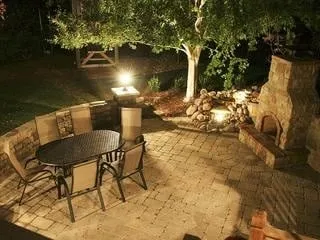
New Look Landscape
New Look Landscape was founded in Wichita by Steve Locke, whose passion for horticulture took root early. Starting a mowing business in the fifth grade and working at a local nursery in high school, S...
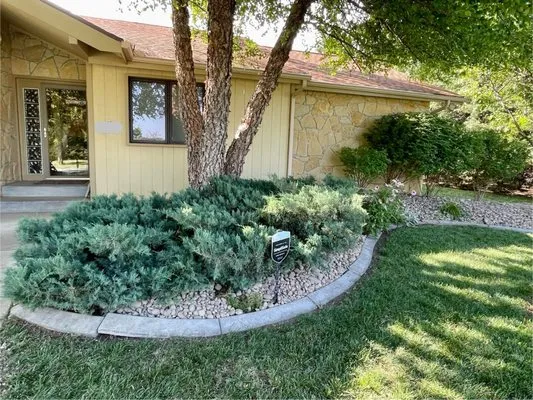
Bossy Oak Landscaping is a locally owned and operated landscaping company serving Andover, KS, and the surrounding areas since 2014. Licensed and insured, we provide comprehensive landscaping solution...
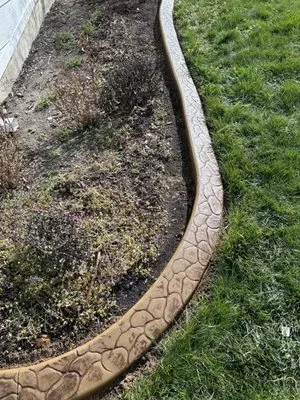
A and S Borders is a family-owned, licensed concrete edging service based in Valley Center, KS, specializing in continuous landscape curbing and irrigation solutions. We offer a wide variety of styles...
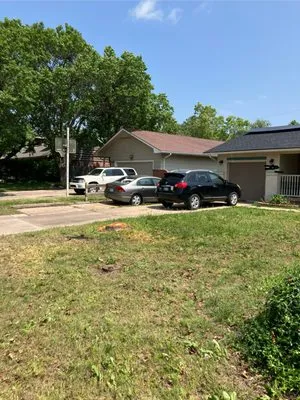
Jordan's Outdoor Services is a trusted Andover, KS provider of comprehensive tree services and landscaping solutions. We specialize in addressing common local landscaping challenges like standing wate...
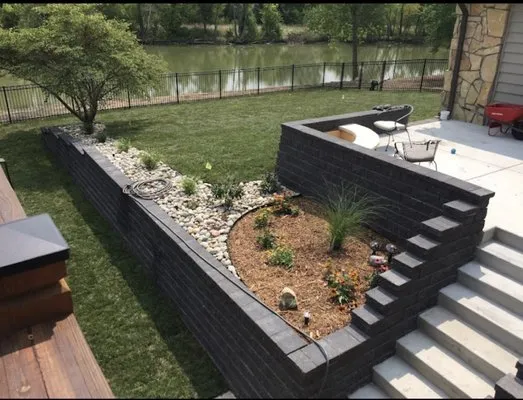
Daniel's Lawn & Landscaping Service
Daniel's Lawn & Landscaping Service began as a family-focused effort to earn extra income in Wichita, KS. What started as a side project quickly grew into a passion for transforming outdoor spaces thr...
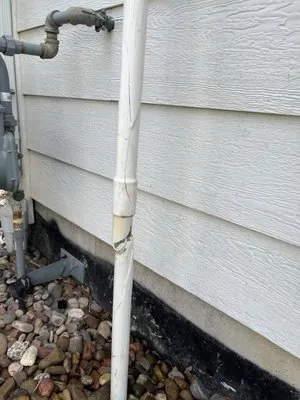
Gabe's Sprinkler Systems is a family-owned irrigation and lawn care business serving Wichita, KS since 2009. With over 15 years of hands-on experience, owner Gabe personally handles every project—from...
Tiny’s Lawn Service is a trusted, locally-owned lawn care provider dedicated to keeping Peck, KS lawns healthy and vibrant. We specialize in addressing the common local issues of bare lawn patches and...
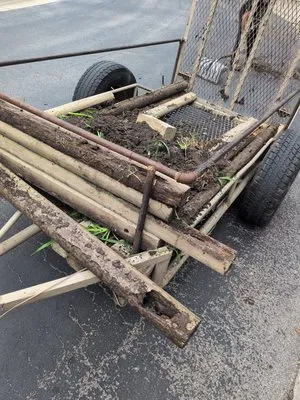
Mikes Landscaping is a trusted Wichita, KS-based provider specializing in lawn care, tree services, and nursery solutions. With deep local expertise, we help homeowners tackle common area challenges l...
Based in Wichita, Aaron's Lawn Service is a locally owned and operated company dedicated to providing reliable lawn care and snow removal for our community. We understand the specific challenges of ma...
AB Mowing is a trusted local service provider in Wichita, KS, offering comprehensive solutions for lawn care, snow removal, and junk removal. With a focus on reliability and affordability, we handle e...
Estimated Landscaping Service Costs in Douglass, KS
Questions and Answers
How can I maintain healthy Tall Fescue turf while following Stage 1 water conservation guidelines?
Smart Wi-Fi ET-based weather sensing irrigation systems calculate evapotranspiration rates to deliver precise water volumes matching plant needs. This technology reduces Tall Fescue irrigation by 20-30% compared to traditional timers while maintaining turf health. Programming follows municipal water limits by adjusting for soil moisture retention in silty clay loam and seasonal precipitation patterns. Voluntary conservation compliance is achieved through deep, infrequent watering cycles that encourage deeper root development.
What permits and licenses are required for grading and drainage work on my quarter-acre lot?
Grading alterations on 0.25-acre lots require erosion control permits from the Douglass City Clerk & Zoning Office before excavation begins. Contractors must hold current licensing through the Kansas Department of Agriculture for landscape architecture and installation services. Professional licensing ensures compliance with state stormwater management regulations and proper engineering of drainage systems. Unlicensed grading can violate municipal codes regarding soil disturbance and runoff containment in residential zones.
Why does my soil seem so compacted and hard to work with in Downtown Douglass?
Properties in Downtown Douglass with 1969-era construction have soil that has matured for 57 years since development. Silty clay loam soils in this area naturally develop high shrink-swell characteristics and compaction layers over decades. The pH range of 7.2-7.5 indicates alkaline conditions that can limit nutrient availability. Core aeration combined with organic amendments like composted leaf litter improves soil structure and permeability for better plant establishment.
How quickly can you respond to an emergency storm cleanup to meet HOA compliance deadlines?
Emergency storm response from Douglass City Park via K-96 Highway requires 45-60 minutes during peak traffic conditions. Our electric maintenance fleet operates within standard noise nuisance ordinances, allowing early morning deployment without gas blower restrictions. We prioritize debris removal and safety hazard mitigation to restore property access and meet compliance requirements within 24-48 hours of notification.
What solutions address water pooling and foundation concerns from clay soil drainage issues?
High shrink-swell potential in Douglass's silty clay loam requires graded swales and French drains to redirect surface water away from structures. Permeable Kansas limestone hardscape installations meet Douglass City Clerk & Zoning Office runoff standards by allowing 30-40% water infiltration versus impervious surfaces. Soil amendments with expanded shale aggregate improve subsurface drainage while maintaining structural integrity during wet-dry cycles that characterize this soil type.
What low-maintenance native alternatives can replace high-input turf areas?
Transitioning to Little Bluestem, Purple Coneflower, Butterfly Milkweed, and Switchgrass communities reduces maintenance frequency and resource inputs. These deep-rooted natives require no supplemental irrigation once established and support local pollinator populations. Electric maintenance equipment operates quietly within noise ordinance parameters while eliminating gas blower emissions. Native plantings demonstrate climate-adaptive xeriscaping that exceeds 2026 biodiversity standards for urban landscapes.
How should I manage invasive species without violating fertilizer application restrictions?
Early spring identification and mechanical removal of invasive species like Japanese knotweed or musk thistle prevents establishment before peak growth periods. Spot treatment with EPA-approved herbicides follows state standard regulations prohibiting phosphorus application on frozen ground. Cultural controls include establishing competitive native plant communities that resist invasion through resource competition. Treatment timing avoids blackout dates while prioritizing soil health through organic matter incorporation rather than synthetic inputs.
Is Kansas limestone or wood more suitable for durable, fire-resistant landscaping features?
Kansas limestone offers superior longevity with 50+ year service life versus wood's 10-15 year lifespan in Douglass's climate. The stone's non-combustible properties contribute to Moderate Wildland-Urban Interface fire-wise ratings by creating defensible space around structures. Limestone's thermal mass moderates microclimate temperatures while its natural permeability reduces runoff. Material selection prioritizes regional availability and compatibility with local soil chemistry to prevent deterioration from alkaline conditions.
