Top Landscaping Services in Conway Springs, KS, 67031 | Compare & Call

There are 120 landscaping companies server in Conway Springs KS
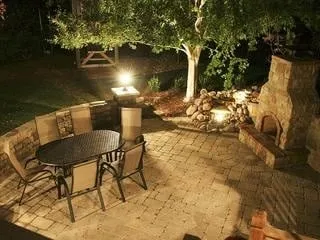
New Look Landscape
New Look Landscape was founded in Wichita by Steve Locke, whose passion for horticulture took root early. Starting a mowing business in the fifth grade and working at a local nursery in high school, S...
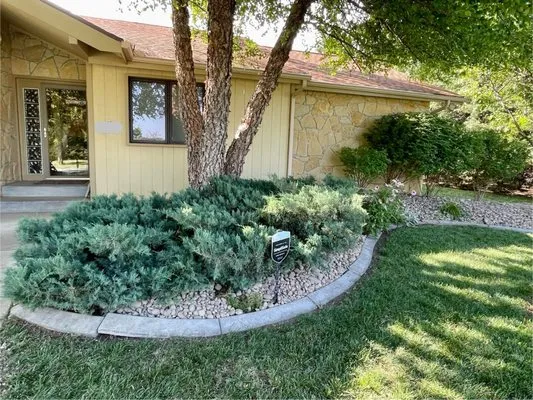
Bossy Oak Landscaping is a locally owned and operated landscaping company serving Andover, KS, and the surrounding areas since 2014. Licensed and insured, we provide comprehensive landscaping solution...
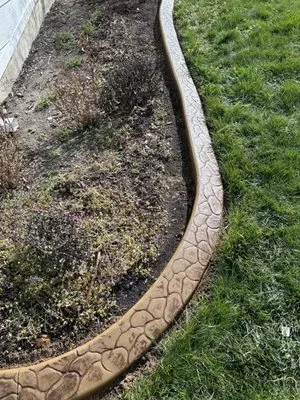
A and S Borders is a family-owned, licensed concrete edging service based in Valley Center, KS, specializing in continuous landscape curbing and irrigation solutions. We offer a wide variety of styles...
Jordan's Outdoor Services is a trusted Andover, KS provider of comprehensive tree services and landscaping solutions. We specialize in addressing common local landscaping challenges like standing wate...
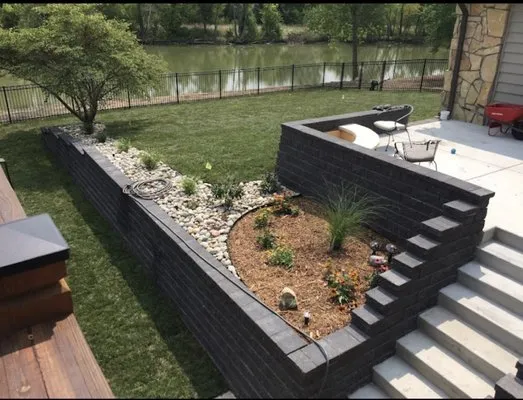
Daniel's Lawn & Landscaping Service
Daniel's Lawn & Landscaping Service began as a family-focused effort to earn extra income in Wichita, KS. What started as a side project quickly grew into a passion for transforming outdoor spaces thr...
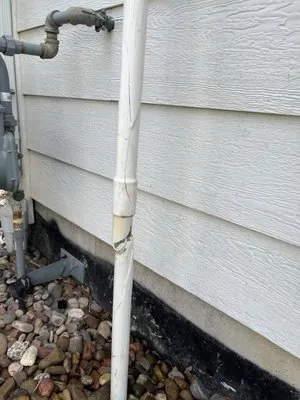
Gabe's Sprinkler Systems is a family-owned irrigation and lawn care business serving Wichita, KS since 2009. With over 15 years of hands-on experience, owner Gabe personally handles every project—from...

Tiny’s Lawn Service is a trusted, locally-owned lawn care provider dedicated to keeping Peck, KS lawns healthy and vibrant. We specialize in addressing the common local issues of bare lawn patches and...
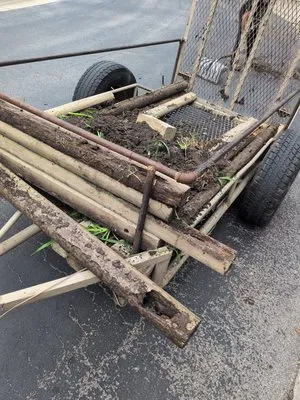
Mikes Landscaping is a trusted Wichita, KS-based provider specializing in lawn care, tree services, and nursery solutions. With deep local expertise, we help homeowners tackle common area challenges l...
Based in Wichita, Aaron's Lawn Service is a locally owned and operated company dedicated to providing reliable lawn care and snow removal for our community. We understand the specific challenges of ma...
Brady Nursery
For over 70 years, Brady Nursery has been a cornerstone of Wichita's green spaces, growing from a family dream into one of the city's most trusted names in horticulture and landscaping. Founded in 195...
Estimated Landscaping Service Costs in Conway Springs, KS
Common Questions
What are my options for a lower-maintenance, eco-friendly yard?
Transitioning to a climate-adaptive landscape with native plants like Purple Coneflower, Little Bluestem, and Butterfly Milkweed significantly reduces water, mowing, and chemical inputs. These deep-rooted species build soil health and support local biodiversity. This approach also future-proofs your property against evolving noise ordinances that restrict gas-powered blowers and mowers, aligning with a shift toward quieter, electric maintenance.
Can I have a green lawn while following the city's water conservation rules?
Yes, effectively. Stage 1 voluntary conservation in Conway Springs aligns with using smart, Wi-Fi ET-based irrigation controllers. These systems schedule watering based on real-time evapotranspiration data, applying water only when your Tall Fescue truly needs it. This technology prevents overwatering, reduces runoff into the clay subsoil, and keeps your turf resilient while staying well within municipal water use expectations.
Is limestone or wood better for a new patio that's also fire-resistant?
Local dolomitic limestone is superior for durability and fire resistance. It is a non-combustible material that provides a permanent, low-maintenance surface and contributes to a 30-foot defensible space as recommended for Conway Springs's moderate Fire Wise rating. Compared to wood, which requires treatment and decays, limestone offers greater longevity, better drainage permeability, and integrates seamlessly with the regional landscape aesthetic.
Do I need a permit to regrade my backyard, and what should I ask a contractor?
Significant regrading on a 0.22-acre lot often requires a permit from Sumner County Planning & Zoning, especially if it alters water flow to adjacent properties. Always verify your contractor holds appropriate licensing through the Kansas Department of Agriculture for landscaping and earthwork. This ensures they are bonded, follow sediment control regulations, and understand local codes, protecting you from liability and substandard work.
How quickly can you respond for an urgent HOA violation notice?
For emergency compliance, our dispatch from Conway Springs City Park via K-49 allows a 45-60 minute arrival during peak hours, accounting for traffic from Wichita. We prioritize such calls with a dedicated electric fleet, which operates quietly within standard ordinance hours (7 AM - 9 PM). The initial assessment and corrective action, such as mowing overgrown Tall Fescue, can typically be completed within the same service window.
My yard pools water after storms. What's a lasting solution?
Moderate runoff is common here due to the silt loam surface over dense clay subsoil. A functional solution involves regrading to create positive drainage away from foundations and installing French drains or dry creek beds. Using local dolomitic limestone for permeable patios or walkways can also increase ground absorption. These measures often meet Sumner County Planning & Zoning runoff management standards for improved site permeability.
What invasive weeds should I watch for, and how do I control them?
In Conway Springs, watch for bindweed, musk thistle, and Johnson grass, which compete aggressively with natives and turf. Treatment involves timely manual removal or targeted spot-application of herbicide. Crucially, any product application must follow Kansas BMP guidelines, avoiding use before forecasted heavy rain to prevent chemical runoff into waterways. A healthy, dense lawn or native planting is the best long-term defense.
Why is my soil so hard and compacted, even after watering?
Conway Springs Central lots, developed around 1966, have 60-year-old soils. Decades of standard maintenance have compacted the native silt loam, reducing its permeability and oxygen content. This soil type naturally becomes dense, especially with the prevalent clay-heavy subsoil, impeding root growth and water infiltration. Core aeration and incorporating compost are critical to rebuild soil structure and biological activity for long-term plant health.
