Top Landscaping Services in Cheney, KS, 67025 | Compare & Call

There are 96 landscaping companies server in Cheney KS
New Look Landscape
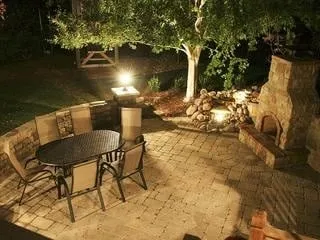
New Look Landscape was founded in Wichita by Steve Locke, whose passion for horticulture took root early. Starting a mowing business in the fifth grade and working at a local nursery in high school, S...
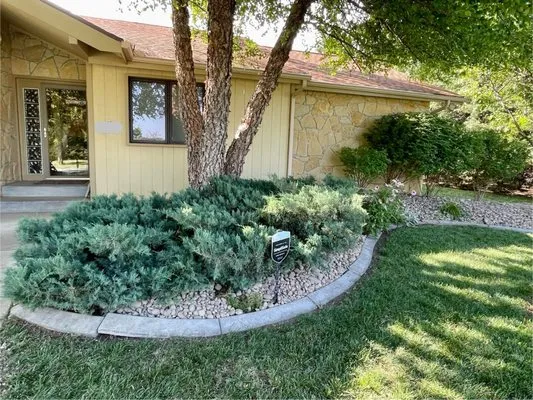
Bossy Oak Landscaping is a locally owned and operated landscaping company serving Andover, KS, and the surrounding areas since 2014. Licensed and insured, we provide comprehensive landscaping solution...
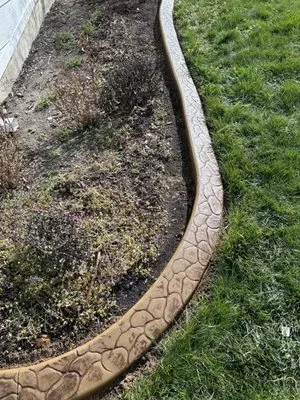
A and S Borders is a family-owned, licensed concrete edging service based in Valley Center, KS, specializing in continuous landscape curbing and irrigation solutions. We offer a wide variety of styles...
Jordan's Outdoor Services is a trusted Andover, KS provider of comprehensive tree services and landscaping solutions. We specialize in addressing common local landscaping challenges like standing wate...
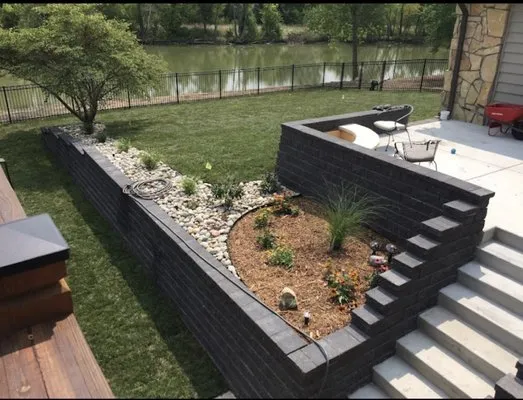
Daniel's Lawn & Landscaping Service
Daniel's Lawn & Landscaping Service began as a family-focused effort to earn extra income in Wichita, KS. What started as a side project quickly grew into a passion for transforming outdoor spaces thr...
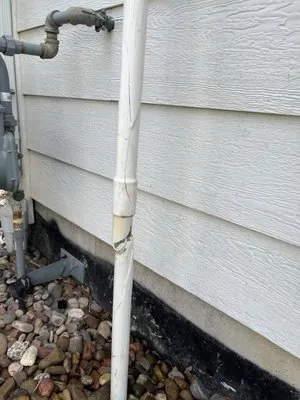
Gabe's Sprinkler Systems is a family-owned irrigation and lawn care business serving Wichita, KS since 2009. With over 15 years of hands-on experience, owner Gabe personally handles every project—from...
Tiny’s Lawn Service is a trusted, locally-owned lawn care provider dedicated to keeping Peck, KS lawns healthy and vibrant. We specialize in addressing the common local issues of bare lawn patches and...
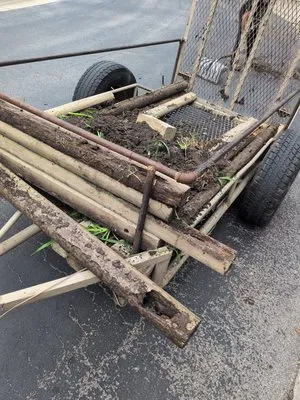
Mikes Landscaping is a trusted Wichita, KS-based provider specializing in lawn care, tree services, and nursery solutions. With deep local expertise, we help homeowners tackle common area challenges l...
AB Mowing is a trusted local service provider in Wichita, KS, offering comprehensive solutions for lawn care, snow removal, and junk removal. With a focus on reliability and affordability, we handle e...

Justin Empire Fences is a Wichita-owned and operated company dedicated to enhancing outdoor living spaces. Founded in 2017 by Justin, a father of two, the business is built on a foundation of hard wor...
Estimated Landscaping Service Costs in Cheney, KS
Question Answers
My yard has seasonal ponding after heavy rains. What's a lasting solution?
Moderate runoff in silt loam soils is common due to slow percolation. The primary fix is regrading to create positive drainage away from foundations. For new patios or walkways, specify permeable base installations using local limestone flagstone, which allows water infiltration. The City of Cheney Planning & Zoning office has standards for onsite stormwater management; these solutions help meet runoff requirements and eliminate standing water that harms plant roots.
Is local limestone flagstone a better choice than wood for a new patio?
For durability and longevity in our climate, limestone flagstone is superior. It is a non-combustible, permanent material that withstands freeze-thaw cycles with minimal maintenance. When designing in areas with a moderate Firewise USA rating, using stone for patios and pathways also contributes to defensible space by creating a fuel-free zone near the home. Its natural aesthetic integrates well with the regional landscape.
Do I need a permit to regrade my yard or install a dry creek bed?
Yes, significant earthmoving on a 0.25-acre lot often requires a permit from the City of Cheney Planning & Zoning office to ensure compliance with drainage and erosion control codes. Furthermore, any company applying fertilizer or pesticides as part of the work must be licensed by the Kansas Department of Agriculture. Hiring a licensed professional ensures the work is performed to legal standards, protecting your property investment and the local watershed.
I'm tired of weekly mowing. What are my low-maintenance, eco-friendly options?
Transitioning perimeter zones to a native landscape palette is a forward-thinking strategy. Planting Little Bluestem, Purple Coneflower, Butterfly Milkweed, and Switchgrass establishes a resilient, low-water ecosystem that supports local pollinators. This xeriscaping approach drastically reduces mowing, fueling, and the need for gas-powered blowers, aligning with evolving noise ordinances and electric fleet trends. It also builds biodiversity far beyond a monoculture turf lawn.
How fast can you respond for an urgent HOA violation notice or storm debris cleanup?
Our dispatch prioritizes emergency service calls. From our staging near the Cheney State Park Entrance, we can typically access the Cheney Residential District via US-400 / K-254 within the 20-30 minute window noted for peak storm response. We coordinate directly with property managers to document conditions and initiate cleanup, utilizing our electric fleet which complies with all municipal quiet hours for after-hours work if necessary.
Why does my lawn in the Cheney Residential District seem so compacted and thin?
Homes built around the community's 1979 average have soils with a 47-year history of standard maintenance. This long-term use has compacted the native silt loam, reducing permeability and root zone oxygen. Your soil's natural pH of 7.2-7.5 is also slightly alkaline, which can limit nutrient availability for turfgrass. Core aeration and adding composted organic matter are necessary interventions to rebuild soil structure and biological activity for healthy plant growth.
Can I keep my Tall Fescue lawn healthy under Cheney's voluntary water conservation rules?
Yes, efficient irrigation is key. Smart Wi-Fi ET-based controllers are the standard solution, automatically adjusting schedules based on real-time evapotranspiration data and local weather. This technology applies water only when and where the lawn needs it, deeply and infrequently, to encourage drought-tolerant roots. This method maintains turf health while easily staying within Stage 1 conservation guidelines and reducing overall municipal water use.
What invasive weeds should I watch for, and how do I control them safely?
Cheney properties face persistent threats like bindweed, musk thistle, and Johnsongrass. Correct identification is critical before treatment. We employ targeted, soil-health-focused methods, such as manual removal or approved spot-applications, strictly timed outside the state-mandated nutrient management blackout dates for winter fertilizer application. This prevents chemical runoff and protects water quality while effectively suppressing invasive species.
