Top Landscaping Services in Chapman, KS, 67431 | Compare & Call

There are 12 landscaping companies server in Chapman KS
Witts Mowing Services is a Junction City-based landscaping and construction company specializing in comprehensive outdoor solutions for residential and commercial properties. With expertise spanning f...
Shorty’s Lawn Service
Serving Junction City and the surrounding area, Shorty's Lawn Service is your local expert for a healthy, vibrant landscape. We specialize in a comprehensive range of services including professional l...
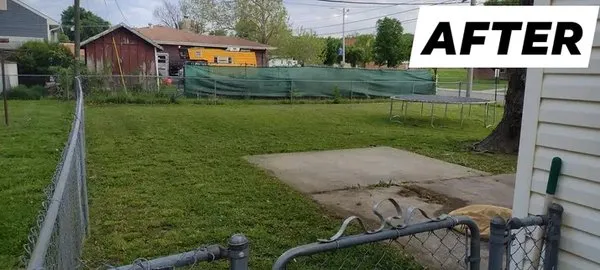
3C Mowing & Property Management is a family-owned and operated business serving Junction City, KS, and the surrounding areas. Founded in 2019 by a father-and-son team, what began as a small, enjoyable...
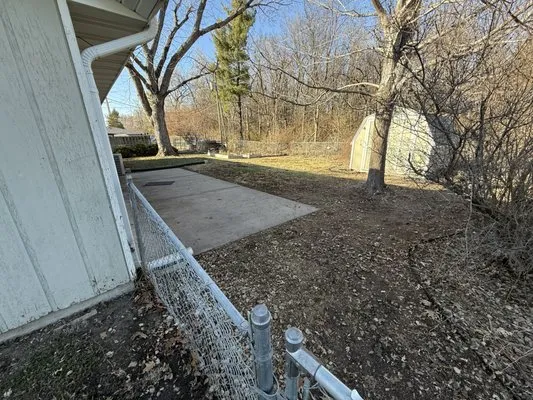
Green Pastures KS is a locally owned and operated lawn care and snow removal company serving Ogden, KS, and the surrounding area. We specialize in year-round property maintenance, including lawn care,...
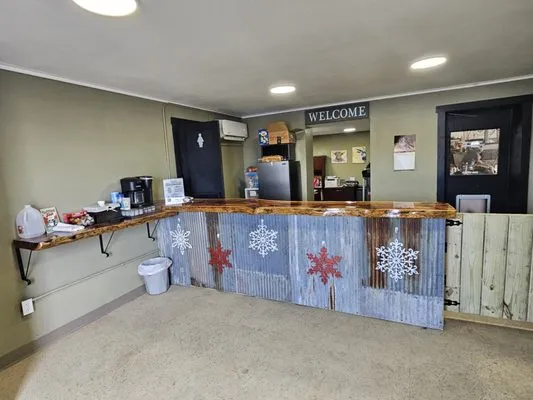
Telebec
Telebec is a family-owned business in Junction City, KS, proudly serving the community since 2000. What began in government contracting has grown into a trusted local resource for home and property ca...
Chapman Creek Property Maintenance
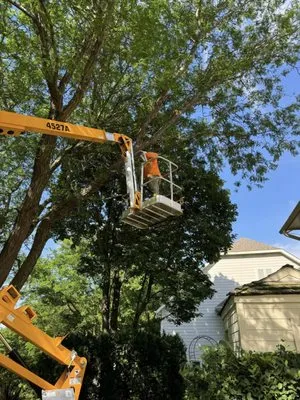
Chapman Creek Property Maintenance is a veteran-owned small business dedicated to helping Junction City residents reclaim their property's potential. We understand that managing a home or business inv...

Huts & Cuts Specialized Property Management
Huts & Cuts Specialized Property Management is a Junction City-based business founded by a retired Army veteran, husband, and father. With years of education, training, and hands-on experience in maso...
My Lawn Turf & Tree
My Lawn Turf & Tree is a trusted, locally-owned lawn and tree care company serving Great Bend, KS, and the surrounding Central Kansas area. With years of experience, we specialize in comprehensive lan...
Matt's Complete Care is your trusted, full-service outdoor solutions provider in Salina, KS. We specialize in landscaping, tree services, and custom fences & gates, offering a single, reliable source ...
Terry's Mowing N Then Some
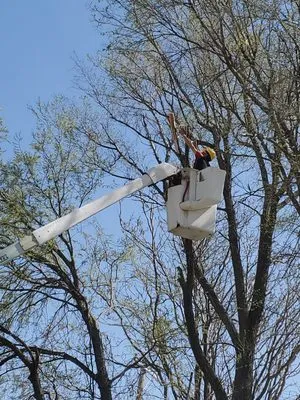
Terry's Mowing N Then Some is your trusted, full-service outdoor care provider in Junction City, KS. We specialize in comprehensive lawn care, tree services, and gutter cleaning, offering a one-stop s...
Estimated Landscaping Service Costs in Chapman, KS
Frequently Asked Questions
I want a lower-maintenance, quieter yard. What are my options beyond constant mowing and blowing?
Transitioning high-input turf to a climate-adaptive xeriscape with native plants is a strategic solution. Species like Purple Coneflower, Little Bluestem, and Butterfly Milkweed are evolved for Kansas conditions, requiring minimal water and no regular mowing. This shift reduces dependency on gas-powered equipment, aligning with evolving noise ordinances. The resulting landscape supports local biodiversity and creates a resilient, low-maintenance ecosystem that conserves water and reduces carbon emissions.
Is native limestone a better choice than wood for a new patio or retaining wall?
Native limestone blocks offer superior longevity and fire resistance compared to wood, which decays and is a fuel source. In our moderate Fire Wise rating zone, creating a 30-foot defensible space is recommended. Limestone hardscape within this zone provides a non-combustible barrier. Its thermal mass also moderates soil temperature. While the initial cost is higher, limestone requires virtually no maintenance and will outlast any wooden structure by decades, providing permanent value.
What permits and credentials should I verify before hiring someone for major grading or landscaping work?
Any significant alteration to water runoff patterns on a 0.22-acre lot typically requires a grading permit from the Chapman City Clerk & Planning Office. The contractor must hold appropriate licensing through the Kansas Department of Agriculture, which regulates horticultural and landscaping services. This ensures they are bonded, insured, and knowledgeable about state nutrient management and erosion control laws. Unlicensed work risks property damage, fines, and unresolved drainage issues that become your liability.
We get seasonal ponding in our low backyard. What's a permanent solution that also looks good?
Moderate runoff in silty clay loam soils requires interventions that address permeability. A graded dry creek bed lined with native limestone blocks is both functional and aesthetically appropriate. The limestone's porosity allows for gradual water infiltration, mitigating ponding. This hardscape solution often meets the Chapman City Clerk & Planning Office's runoff management standards. For severe cases, integrating a French drain system beneath the dry creek ensures reliable subsurface drainage.
How can I keep my Tall Fescue lawn healthy while respecting Chapman's voluntary water conservation?
Effective irrigation in Zone 6a with Stage 1 restrictions relies on precision. Smart Wi-Fi soil moisture sensor controllers are essential; they apply water only when the root zone needs it, preventing waste from fixed schedules. This technology adjusts for real-time evapotranspiration (ET) rates, often reducing total water use by 20-30% while maintaining turf health. Deep, infrequent watering cycles encourage deeper roots, improving drought resilience within municipal guidelines.
My lawn in the Chapman City Center neighborhood never seems to thrive. Could the soil itself be the problem?
Properties in this area, built around 1984, have soils that have matured for over 40 years. Silty clay loam, common here, becomes compacted over decades of standard maintenance, restricting root growth and water percolation. This compaction limits oxygen and nutrient uptake for turf like Tall Fescue. Corrective action requires core aeration and amending soil with compost to improve structure and biological activity for long-term health.
What invasive species should I watch for, and how do I manage them safely?
In Chapman, watch for aggressive weeds like bindweed and Johnsongrass that thrive in disturbed soils. Manual removal is effective for small infestations. For larger issues, targeted herbicide application must follow the state's nutrient management guidelines, avoiding blackout dates designed to protect watersheds. Always prioritize soil health by repairing bare spots with native plants to outcompete invaders. Incorrect chemical use can harm soil biology and violate local ordinances.
How quickly can you respond to an emergency like a storm-damaged tree blocking a driveway?
Our emergency dispatch prioritizes safety hazards. From our staging at Chapman City Park, we can access I-70 for rapid transit throughout the city. For a critical issue in Chapman City Center, we target a 20-30 minute response window during peak hours. We coordinate with local authorities if road closures are involved and utilize our electric fleet, which complies with the daytime noise ordinance starting at 7:00 AM.
