Top Landscaping Services in Caney, KS, 67333 | Compare & Call

There are 9 landscaping companies server in Caney KS
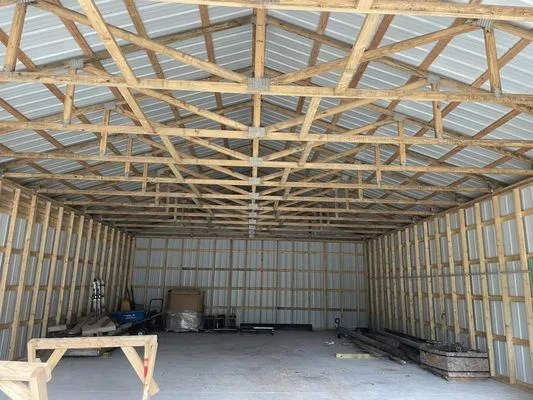
JT Companies in Pittsburg, KS, is a trusted local home services provider that has grown from a small lawn care operation in 2013 into a comprehensive contractor serving Southeast Kansas and the surrou...
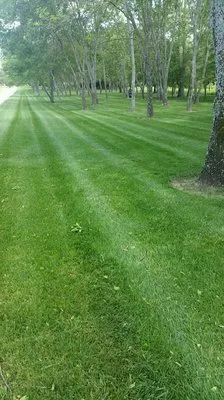
Turf Bros. Lawn and Landscape is a family-owned business built from the ground up in Altamont, KS. It all started when Mike Krewson began mowing lawns at age 13. Now, alongside his brother, he has gro...
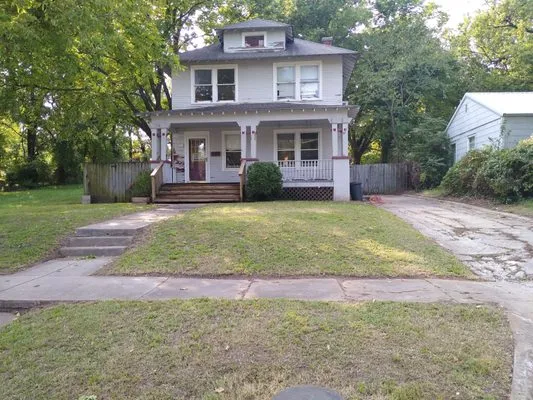
James of All Trades is your trusted, local handyman serving Cherryvale, KS, and the surrounding area. We specialize in a wide range of home repair, maintenance, and lawn care services, designed to tac...
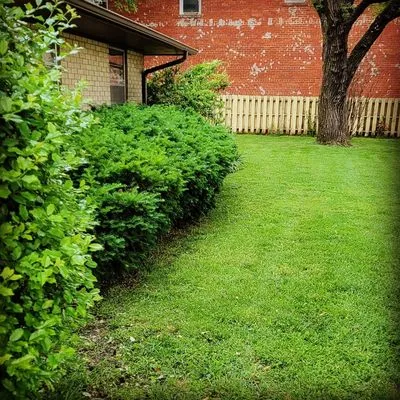
Bullpup Lawn Services is a dedicated landscaping company serving Caney, KS, and the surrounding area. We specialize in comprehensive lawn care and landscape maintenance tailored to the unique needs of...
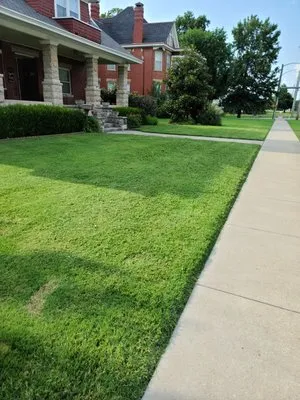
HALES LANDSCAPING in Independence, KS, is a full-service architectural landscaping firm that transforms properties from concept to completion. We combine landscape design and architectural project man...

Marshall Construction is a trusted, full-service contractor serving Neodesha and the surrounding area. We specialize in general contracting, siding, and comprehensive landscaping services to enhance a...
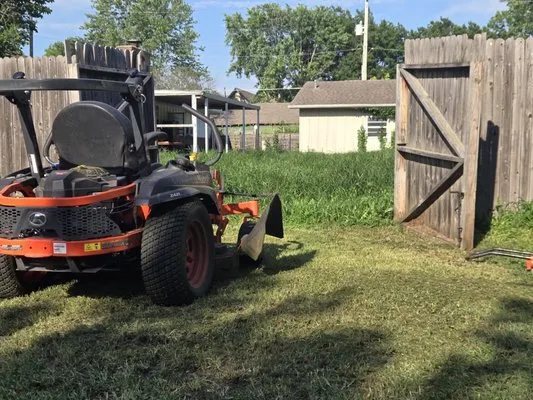
In Dew Time is your trusted local landscaping partner in Caney, KS, dedicated to transforming and maintaining beautiful outdoor spaces. We specialize in resolving common local issues like tree root la...
Henderson's Lawn Care is a locally owned and operated lawn service provider in Coffeyville, KS, dedicated to serving the community with integrity and attention to detail. We understand the unique chal...
3 Kings Outdoor Services is a dedicated landscaping provider serving Caney, KS, and the surrounding area. We understand the specific challenges local homeowners face, such as dry spots from sprinkler ...
Estimated Landscaping Service Costs in Caney, KS
Q&A
How can I keep my Tall Fescue green during our Kansas summers without wasting water?
Under normal voluntary conservation status, efficient irrigation hinges on technology and timing. A smart Wi-Fi controller with a rain sensor uses local evapotranspiration (ET) data to apply water only when needed, often during early morning hours. This method delivers deep, infrequent watering that encourages drought-tolerant root growth in Tall Fescue, staying well within municipal guidelines while maintaining turf health through peak heat.
My yard holds water after heavy rain. What's a lasting solution for this runoff problem?
Moderate runoff in Caney is typically caused by the impermeable clay-pan beneath your silt loam. A functional solution involves creating a drainage channel or dry creek bed using permeable native chert limestone. This material meets local permit office standards for managing stormwater on-site. Combining this with strategic grading and soil amendment breaks up the hardpan, directing water away from foundations and into the landscape.
My lawn in Caney Central looks thin and compacted. Why is the soil so difficult to work with?
Caney Central homes built around 1949 often have mature, unamended silt loam soil. Over 75+ years, this soil structure has degraded, leading to compaction and poor percolation. The neutral pH is suitable, but the primary need is core aeration and the addition of organic compost to rebuild porosity and microbial life. This directly addresses the clay-pan subsoil layer common here, improving root penetration and water infiltration for your Tall Fescue.
I've spotted what looks like Japanese Knotweed. How do I handle invasive species here?
Invasive species like Japanese Knotweed require immediate, multi-year management. Treatment involves careful application of EPA-approved herbicides during the plant's active growth phase, strictly following Kansas BMPs to protect waterways and adhere to any local blackout dates. For severe infestations, we recommend a licensed professional to ensure complete rhizome removal and a follow-up planting of competitive natives like Wild Bergamot to prevent reinvasion.
I have an HOA notice for overgrowth. How quickly can you get here for a compliance cleanup?
For an emergency compliance visit, our dispatch from Caney City Hall via US-75 allows for a routine service arrival in 15-20 minutes to most Caney Central addresses. We prioritize these calls to operate within standard noise ordinance hours. Our electric maintenance fleet allows for quiet, immediate work to bring your 0.22-acre property into compliance, focusing on precise trimming and debris removal.
Do I need a permit to re-grade my backyard, and what should I look for in a contractor?
Yes, significant grading on a 0.22-acre lot in Caney typically requires a permit from the Caney City Building Department to ensure proper drainage and adherence to codes. You must hire a contractor licensed by the Kansas Department of Agriculture for landscape architecture or irrigation work. This licensing guarantees they carry the required insurance and possess knowledge of state BMPs, protecting you from liability and substandard work that could cause downstream erosion or property damage.
I'm tired of weekly mowing. What are my options for a lower-maintenance, eco-friendly yard?
Transitioning high-maintenance turf to a xeriscape of native grasses and forbs significantly reduces water, mowing, and chemical inputs. Planting a matrix of Little Bluestem, Switchgrass, Purple Coneflower, and Butterfly Milkweed creates a resilient, biodiverse landscape that supports pollinators. This approach future-proofs your property against evolving noise ordinances targeting gas-powered equipment and aligns with 2026 standards for ecological landscaping.
Is native limestone or wood better for building a new patio and fire pit area?
Native chert limestone is superior for longevity and fire safety in Caney's Zone 7a climate. Unlike wood, it is non-combustible, requires no sealing, and withstands freeze-thaw cycles. Using limestone for patios and retaining walls also contributes to your property's defensible space, a key consideration under Moderate Firewise USA standards. Its natural permeability can be integrated into the design to aid with the site's drainage requirements.
