Top Landscaping Services in Big Creek, KS, 67601 | Compare & Call

There are 21 landscaping companies server in Big Creek KS
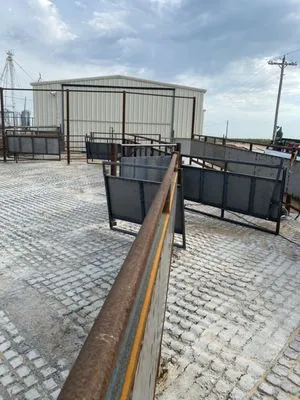
Saints Works is a trusted general contractor serving Great Bend, KS, with expertise in landscaping, metal fabrication, and comprehensive construction services. We specialize in home remodeling, new co...
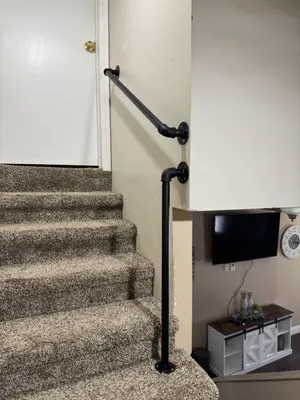
Gill Services is your trusted local handyman and lawn care expert in Larned, KS, specializing in fence and gate installation, painting, staining, and repair, along with comprehensive lawn services. We...
Superior Lawn & Landscape is a trusted, full-service provider serving Hays and the surrounding area. We specialize in creating and maintaining beautiful, resilient outdoor spaces. A common challenge f...
Petz Lawn Care is a trusted Hays, KS lawn service provider specializing in comprehensive solutions for local homeowners. We address common regional landscaping challenges like yard erosion and dying s...
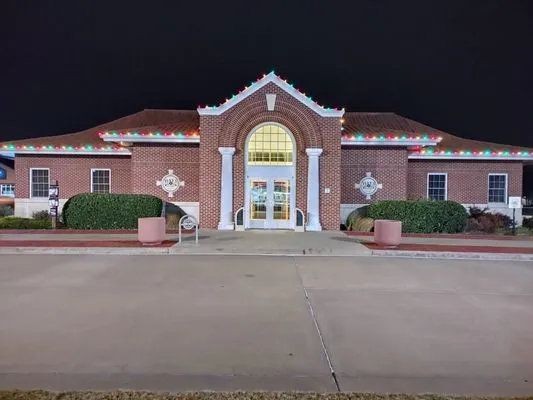
Saint Nick's Snow Plowing & Outdoor Management
Saint Nick's Snow Plowing & Outdoor Management is your trusted, licensed partner for year-round outdoor care in Hays, KS. We're the local professionals you can rely on to transform your property for e...
G & L Landscape
G & L Landscape is a trusted Hays, KS landscaping company specializing in comprehensive lawn care, holiday decorating, and masonry/concrete services. Many homes in the Hays area struggle with bare law...
Flax Lawns & Landscaping is a trusted, locally-owned landscaping company serving Hays, Kansas. We understand the common frustrations homeowners in our area face, like struggling shrubs and inefficient...
Lawn Masters is a trusted landscaping, irrigation, and masonry/concrete company serving Hays, KS homeowners. We specialize in solving common local landscaping challenges like overgrown shrubs and patc...
Darren's Lawn Care
Darren's Lawn Care in Hays, KS is a locally owned and operated landscaping company with 15 years of experience serving the Hays community. Founded by Darren, who holds a Horticulture degree from Kansa...

Cutting Edge Lawn Professionals is a trusted local provider in Victoria, KS, dedicated to maintaining healthy, vibrant lawns for residential and commercial properties. Our team brings reliable experti...
Estimated Landscaping Service Costs in Big Creek, KS
FAQs
What solutions prevent runoff in my clay-prone yard?
Moderate runoff in Big Creek's silt loam soils requires French drains or dry creek beds to redirect water from foundation areas. Permeable limestone pavers installed with 6-8 inches of gravel base achieve 80-90% infiltration rates, meeting Big Creek Planning & Zoning Department standards for stormwater management. These systems work with existing topography to prevent seasonal clay saturation while supporting load-bearing requirements for driveways and patios.
How quickly can you respond to emergency storm damage for HOA compliance?
Our electric maintenance fleet dispatches from Big Creek City Park via I-70 to reach Historic Downtown properties within 20-30 minutes during peak response windows. This routing avoids residential congestion while meeting standard decibel limits for equipment operation between 8 AM and 7 PM. We prioritize safety assessments and debris removal to restore property access while coordinating with local utilities for downed line hazards.
How do I control invasive species without violating fertilizer rules?
Japanese knotweed and musk thistle pose significant threats in Big Creek's disturbed soils, requiring mechanical removal before seed set in early summer. Spot treatments with glyphosate alternatives avoid phosphorus application on frozen ground per state regulations. Implementing preventive measures like dense native plantings of Switchgrass and Wild Bergamot creates competitive exclusion against invaders while building soil mycorrhizae networks.
Why does my Historic Downtown yard have drainage issues after heavy rain?
Big Creek's Historic Downtown lots average 48 years of soil development since 1978 construction, creating compacted silt loam layers that reduce permeability. This soil type naturally holds water but becomes saturated in seasonal clay conditions, requiring core aeration to restore pore space. Adding 2-3 inches of composted organic matter annually improves soil structure and microbial activity, addressing the pH 6.8 balance that favors turfgrass but limits deep root penetration.
Are permeable pavers better than wood for durability?
Permeable limestone pavers maintain structural integrity for 25+ years with minimal maintenance, unlike wood decks requiring bi-annual sealing. Their non-combustible nature supports Big Creek's Moderate Firewise rating by creating defensible space around structures. The natural thermal mass moderates surface temperatures 10-15°F compared to synthetic materials, reducing urban heat island effect in Historic Downtown's compact lots.
Should I replace high-maintenance turf with native plants?
Transitioning to Purple Coneflower, Little Bluestem, and Butterfly Milkweed reduces mowing frequency while providing year-round habitat for pollinators. Native plantings require 75% less water than traditional turfgrass and eliminate gas-powered equipment use ahead of evolving noise ordinances. This approach aligns with Big Creek's Moderate Firewise USA rating by creating defensible space with low-fuel vegetation that withstands Zone 6a temperature extremes.
Can I maintain healthy Tall Fescue under Stage 1 water restrictions?
Wi-Fi ET-based weather sensing irrigation calculates actual evapotranspiration rates to apply precisely 0.8-1.2 inches weekly during growing seasons. This technology reduces water use 25-40% compared to traditional timers while maintaining turfgrass health through deep, infrequent watering cycles. Programming follows municipal conservation guidelines by skipping irrigation after measurable rainfall and adjusting for soil moisture retention in silt loam conditions.
What permits are needed for grading my 0.25-acre lot?
The Big Creek Planning & Zoning Department requires erosion control permits for any grading exceeding 50 cubic yards of soil movement. Contractors must hold Kansas Department of Agriculture landscaping licenses with bonding for projects impacting drainage patterns or property lines. Professional licensing ensures compliance with state phosphorus regulations and proper disposal of excavated material, particularly important in Historic Downtown's older soil profiles.
