Top Landscaping Services in Auburn, KS, 66402 | Compare & Call

There are 61 landscaping companies server in Auburn KS
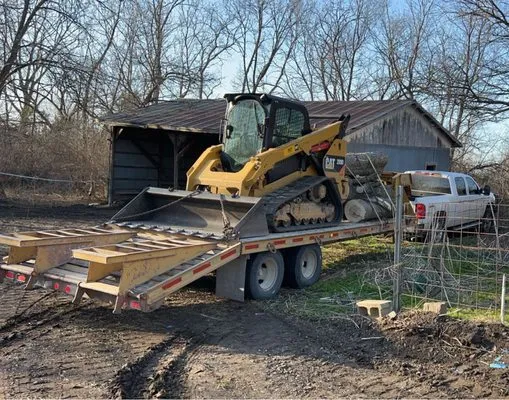
SD Excavating & Land Clearing is a trusted local contractor serving Meriden, KS, and surrounding areas. We specialize in comprehensive excavation, land clearing, and landscaping services to help homeo...
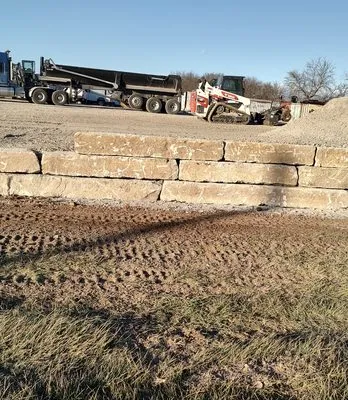
Frontier Native Stone is a locally owned and operated business in Alma, KS, specializing in general contracting, landscaping, and excavation services. We provide beautiful, natural tan limestone from ...
Savage Lawns is a locally owned and operated lawn care business in Topeka, KS, founded by Cale Savage, a student athlete at Washburn University. With a background in athletics and lifelong experience ...
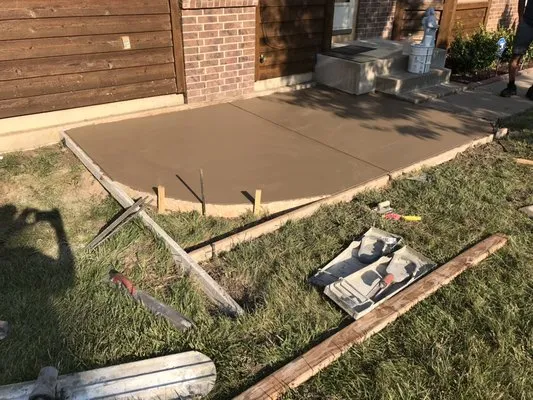
Topeka's Affordable Lawn Care
Topeka's Affordable Lawn Care LLC is a locally owned and operated business that grew from a personal passion into a trusted community service. Founded by someone who genuinely loves the outdoors, gard...
Lawn & Landscaping By Brandon is a locally owned and operated service in Topeka, KS, dedicated to enhancing and maintaining your property. We combine years of hands-on experience with a practical unde...
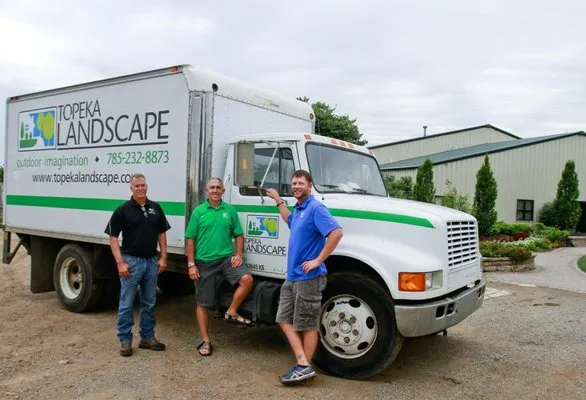
Topeka Landscape
Founded in 1994, Topeka Landscape is a locally owned and operated company dedicated to turning outdoor dreams into reality for homeowners and businesses across the Topeka area. Our foundation is built...
Eben Ezer Landscaping is a trusted, locally-owned landscaping and snow removal company serving Topeka, Kansas. We specialize in comprehensive snow removal services to keep your property safe and acces...
Stauffer Lawn & Landscape
Stauffer Lawn & Landscape has been serving Auburn, KS, and the Greater Topeka and Lawrence areas since 2001. As a locally owned and operated business, we specialize in comprehensive lawn and landscape...
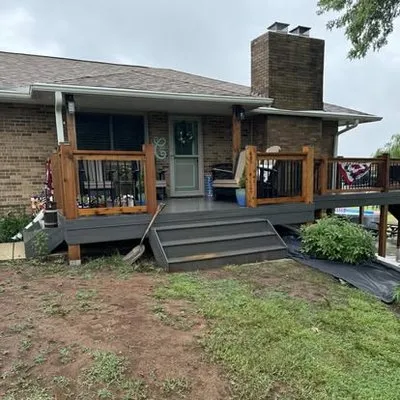
Prime Gravel LLC is a veteran-owned and operated small business based in Topeka, KS, specializing in gravel and mulch services for residential properties. Founded by locals who understand the area's s...
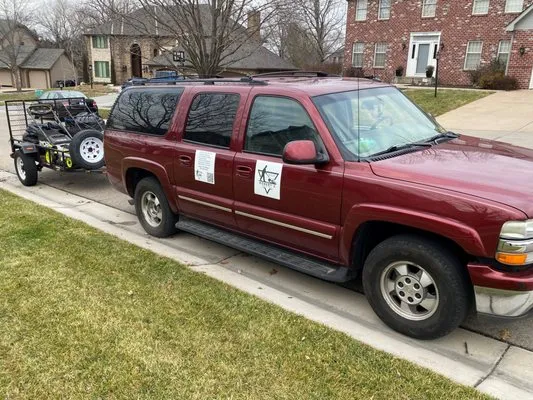
Hello, Topeka! I'm Robert McCanliss, a lifelong resident, and this is my son Myles. This summer, we decided to turn our shared passion for the outdoors into Robert's Mowing. More than just a business,...
Estimated Landscaping Service Costs in Auburn, KS
Common Questions
I want a lower-maintenance, eco-friendly yard. What should I plant?
Transitioning to a landscape built around Kansas native species like Big Bluestem, Purple Coneflower, Butterfly Milkweed, and Leadplant is the definitive step. These plants are adapted to our Zone 6a climate and silty clay loam, requiring minimal supplemental water once established and no synthetic fertilizers. This approach drastically reduces mowing, watering, and the need for gas-powered blowers, future-proofing your property against potential tightening of noise ordinances and supporting local biodiversity far beyond a conventional turf lawn.
What are the most aggressive weeds here, and how do I control them safely?
In established Auburn lawns, invasive species like Bermudagrass, Japanese knotweed, and musk thistle pose significant threats. Correct identification is key, as treatment timing and method vary. For most perennials, a targeted, systemic herbicide applied at the correct growth stage is necessary. Crucially, any product application must follow Kansas BMPs for Phosphorus runoff prevention, meaning no phosphorus-containing fertilizers unless a soil test confirms a deficiency, and avoiding application before forecasted rain to protect local waterways.
I need an emergency storm debris cleanup to meet an HOA deadline. How fast can you respond?
Our standard emergency dispatch for Auburn City Center originates near the Auburn Community Center. Using KS-4, we can typically reach most properties within the neighborhood in 20 to 30 minutes, even during peak traffic. We prioritize route efficiency and maintain a dedicated storm-response protocol, ensuring we can mobilize crews and equipment swiftly to assess damage, clear pathways, and remove debris to help you achieve compliance without delay.
Why is my soil so compacted and hard to dig in, and what can I do about it?
Given Auburn's average home construction around 1978, your soil has had nearly 50 years to settle, a process intensified by the region's silty clay loam composition. This soil type is prone to compaction under foot and equipment traffic, reducing percolation and root penetration. For lots in Auburn City Center, core aeration in early fall is critical to alleviate compaction. Following aeration, top-dressing with a screened compost will introduce organic matter, gradually improving soil structure and water infiltration without drastically altering the native pH of 6.8 to 7.2.
How can I keep my Tall Fescue healthy during summer while following water conservation rules?
Auburn's Stage 1 voluntary conservation measures align perfectly with modern smart irrigation. Installing a Wi-Fi ET-based controller is the most effective solution. It automatically adjusts watering schedules based on real-time evapotranspiration data, soil moisture, and local weather forecasts. This technology ensures your Tall Fescue receives precisely the water it needs, deep and infrequently, to encourage drought-tolerant roots while staying well within municipal water use expectations and avoiding wasteful runoff.
My yard pools water after heavy rain. What's a lasting solution for this clay soil?
Moderate runoff in silty clay loam soils is a common issue due to slow permeability. The primary solution is to improve infiltration. We recommend installing a French drain system tied to a dry well or daylighted outlet. For new hardscapes, specifying permeable pavers instead of solid concrete is crucial; they allow water to pass through and recharge the groundwater. These systems often require review by Shawnee County Planning & Development to ensure they meet current stormwater management standards and reduce erosion.
Why does my contractor need a special license just to regrade my backyard?
Significant grading on a 0.35-acre lot alters the property's drainage patterns, which can impact neighboring parcels and municipal storm systems. In Kansas, this type of earthwork typically requires a licensed professional to ensure it complies with county erosion control and sediment ordinances. Shawnee County Planning & Development issues the necessary permits, but the work itself must be overseen by a contractor licensed through the Kansas Department of Agriculture's Horticulture or Forestry program, which validates their knowledge of soil science, water management, and state environmental regulations.
Is limestone or wood better for a new patio that will last and be safe?
For longevity and low maintenance in Auburn's climate, limestone veneer and solid limestone outperform wood significantly. Native limestone is durable, freeze-thaw resistant, and its aesthetic integrates seamlessly. From a Firewise perspective, Auburn's Moderate Wildland-Urban Interface rating makes non-combustible materials like stone a superior choice for creating defensible space. A stone patio provides a permanent, fire-resistant zone adjacent to your home, while wood decks require constant sealing and present a fuel source during wildfire season.
