Top Landscaping Services in Aubry, KS, 66013 | Compare & Call
There are 114 landscaping companies server in Aubry KS
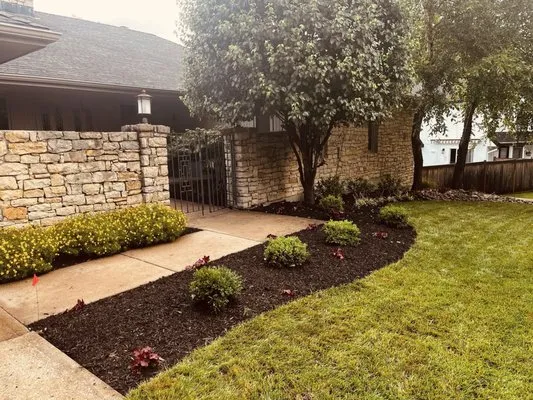
Neighbors Landscaping is your Shawnee, KS partner for creating and maintaining beautiful, resilient outdoor spaces. We understand the local challenges homeowners face, like damaged landscape edging an...
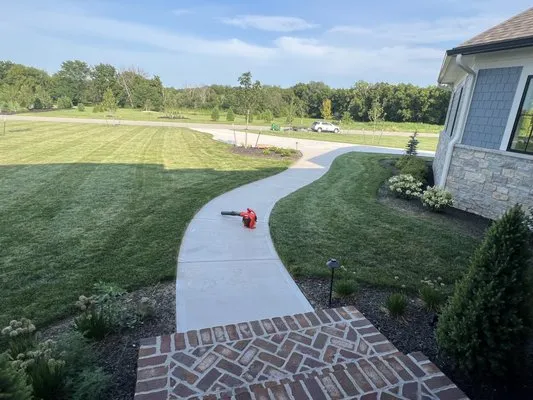
KC Roots Lawn Care is a locally owned and operated lawn service in Spring Hill, KS, dedicated to bringing out the best in every yard. We approach our work as your neighbors, treating each property wit...
Oasis Lawn Care has been a trusted, family-owned provider of lawn and landscaping services in Louisburg and the greater Kansas City area since 1994. Under the ownership of Kory, who took over from his...
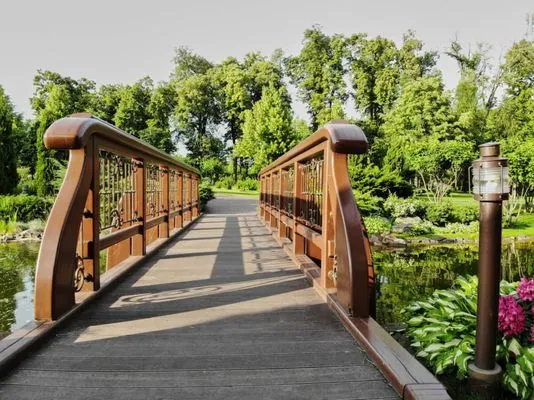
Pathview Landscaping
Pathview Landscaping has been engineering outdoor excellence in Kansas City, KS for over 20 years. We specialize in custom patios, retaining walls, drainage solutions, and sprinkler systems that are b...
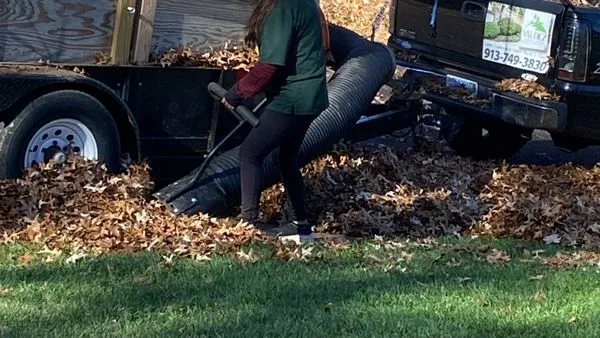
Valdez Landscaping is a trusted Olathe, KS company specializing in landscaping, snow removal, and decks & railing. We help homeowners tackle common local issues like dying shrubs and poor lawn grading...
Andrews Lawn Service is a trusted, locally licensed provider serving Leawood, Overland Park, and Prairie Village for both residential and commercial property maintenance. Founded on a commitment to re...

Back to Nature Lawn and Landscape
Back to Nature Lawn and Landscape in Bucyrus, KS, specializes in comprehensive lawn and landscape solutions for Johnson County residents. With decades of experience, our team provides reliable irrigat...
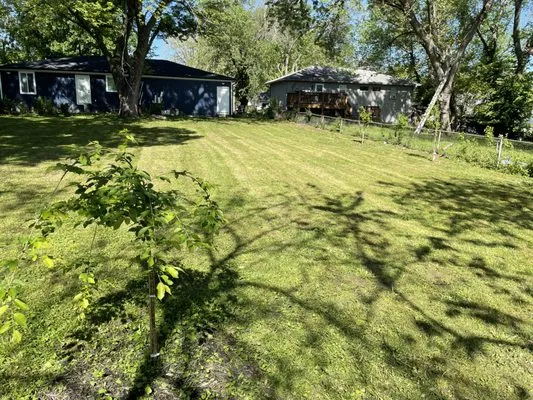
Ramos Lawn-Care & Landscaping is a trusted, family-owned business serving Kansas City, KS. We specialize in creating and maintaining healthy, beautiful outdoor spaces that thrive in our local climate....
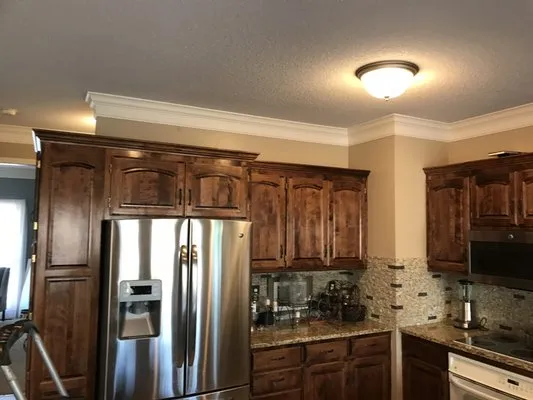
B&J Lawn Care in Gardner, KS is a locally owned and operated business founded on over 20 years of professional experience and a genuine passion for outdoor and home improvement. Owner John transitione...
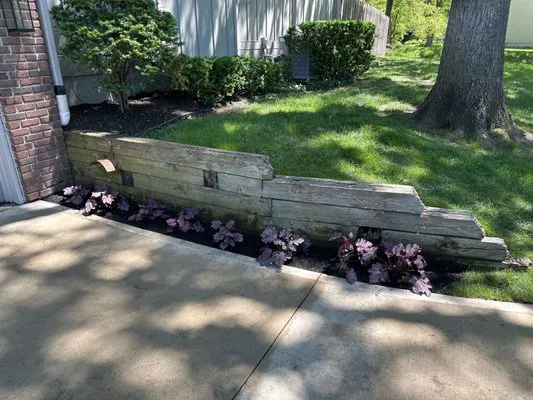
Luke Ramey, the owner and operator of Ramey Lawn & Landscape, has been personally serving the Gardner community since 2014. His hands-on approach means he's involved in every project, from initial con...
Estimated Landscaping Service Costs in Aubry, KS
Common Questions
What are the biggest weed threats here, and how do we deal with them safely?
In Zone 6b, invasive species like Japanese knotweed and musk thistle pose significant risks. Effective management requires correct identification and timing. Pre-emergent herbicides for annual weeds and targeted post-emergent applications for perennials are most effective. All treatments must follow Kansas state guidance for phosphorus reduction, meaning no applications on frozen ground and using products with little to no phosphorus to protect local waterways.
Do we need a permit to regrade part of our 1.5-acre lot, and what should we look for in a contractor?
Any significant regrading that alters water flow or involves substantial earthmoving typically requires a permit from Johnson County Planning & Development. For a lot of this size, improper grading can have off-site impacts. It is crucial to hire a contractor licensed by the Kansas Department of Agriculture for ornamental horticulture work, which includes grading and drainage. This ensures they are bonded, insured, and knowledgeable about local soil and water regulations.
Is a limestone patio a better choice than a wooden deck for our backyard?
For longevity and low maintenance in Kansas's climate, limestone veneer and permeable paver systems outperform wood. Limestone is durable, requires no sealing or staining, and integrates naturally with the local landscape. From a Firewise perspective, creating a non-combustible zone with such materials is recommended for Moderate (WUI Zone 2) rated areas, providing critical defensible space compared to combustible wooden structures.
A storm knocked down a large limb. How fast can a crew get here for an emergency cleanup?
For HOA compliance or safety emergencies, our dispatch from the Aubry United Methodist Church area prioritizes rapid response. Using US-69, a crew can typically be on-site within the 45-60 minute window noted for peak storm response. We coordinate with local arborists for immediate debris removal, ensuring the site is safe and clear while adhering to all local noise ordinances during operational hours.
Our lawn has never looked great since we moved in. Is it just the soil?
Properties in Aubry Estates built around 2002 have soils approaching 25 years of maturity. The native silt loam and clay have likely become compacted from construction and maintenance, restricting root growth and water percolation. This compaction, combined with a typical pH of 6.5-7.2, limits nutrient availability. A core aeration program, followed by top-dressing with compost, is essential to build organic matter and restore soil structure for healthy turf.
How can we keep our Tall Fescue green during summer without wasting water?
Under Aubry's Stage 1 voluntary conservation, efficient irrigation is critical. Smart Wi-Fi ET-based systems use local weather data to apply only the water lost to evapotranspiration, preventing overwatering. Programming deeper, less frequent cycles encourages deeper root growth in Tall Fescue, enhancing drought tolerance. This technology aligns with municipal goals, maintaining turf health while responsibly managing the community water budget.
We're tired of weekly mowing and gas equipment noise. Are there quieter, lower-maintenance options?
Transitioning high-input turf to a climate-adaptive landscape is a forward-thinking solution. Replacing mowed areas with drifts of native plants like Purple Coneflower, Little Bluestem, and Switchgrass eliminates weekly mowing and reduces irrigation needs. This xeriscaping approach also supports 2026 biodiversity standards. Furthermore, it pre-adapts your property to evolving noise ordinances that increasingly restrict gasoline-powered blowers and mowers.
We get standing water in our yard every spring. What's the long-term fix?
Seasonal ponding is common in Aubry's clay-dominant soils due to low permeability. The solution integrates grading and subsurface infrastructure. Installing French drains or dry wells to channel water away from foundations is key. Using permeable pavers for patios or walkways, as opposed to solid concrete, increases surface infiltration and can help projects meet Johnson County Planning & Development standards for stormwater runoff management.
