Top Landscaping Services in Attica, KS, 67030 | Compare & Call

There are 63 landscaping companies server in Attica KS
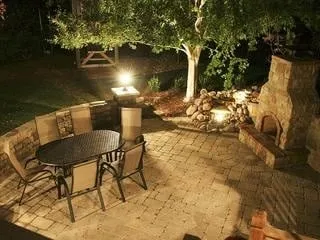
New Look Landscape
New Look Landscape was founded in Wichita by Steve Locke, whose passion for horticulture took root early. Starting a mowing business in the fifth grade and working at a local nursery in high school, S...
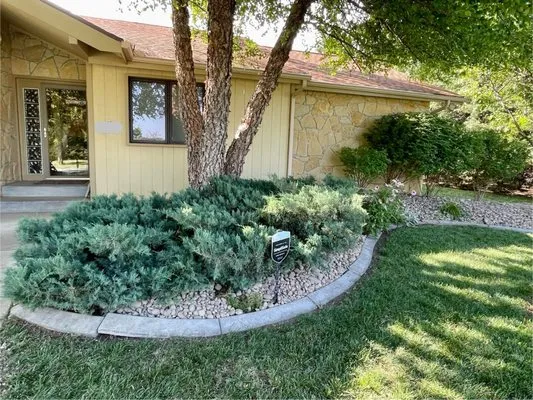
Bossy Oak Landscaping is a locally owned and operated landscaping company serving Andover, KS, and the surrounding areas since 2014. Licensed and insured, we provide comprehensive landscaping solution...
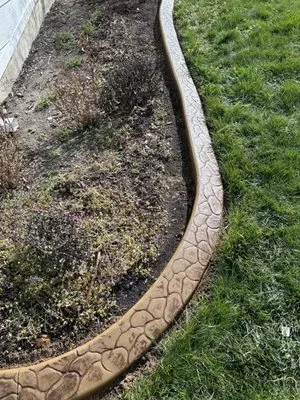
A and S Borders is a family-owned, licensed concrete edging service based in Valley Center, KS, specializing in continuous landscape curbing and irrigation solutions. We offer a wide variety of styles...
Jordan's Outdoor Services is a trusted Andover, KS provider of comprehensive tree services and landscaping solutions. We specialize in addressing common local landscaping challenges like standing wate...
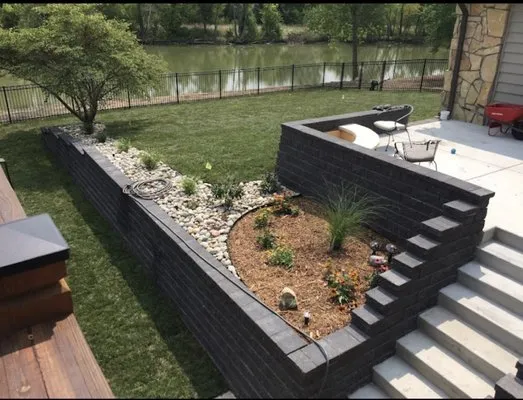
Daniel's Lawn & Landscaping Service
Daniel's Lawn & Landscaping Service began as a family-focused effort to earn extra income in Wichita, KS. What started as a side project quickly grew into a passion for transforming outdoor spaces thr...
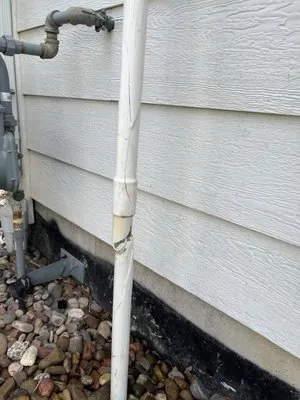
Gabe's Sprinkler Systems is a family-owned irrigation and lawn care business serving Wichita, KS since 2009. With over 15 years of hands-on experience, owner Gabe personally handles every project—from...

Tiny’s Lawn Service is a trusted, locally-owned lawn care provider dedicated to keeping Peck, KS lawns healthy and vibrant. We specialize in addressing the common local issues of bare lawn patches and...
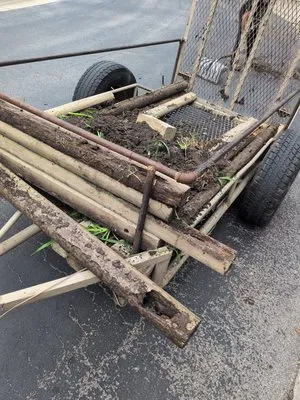
Mikes Landscaping is a trusted Wichita, KS-based provider specializing in lawn care, tree services, and nursery solutions. With deep local expertise, we help homeowners tackle common area challenges l...
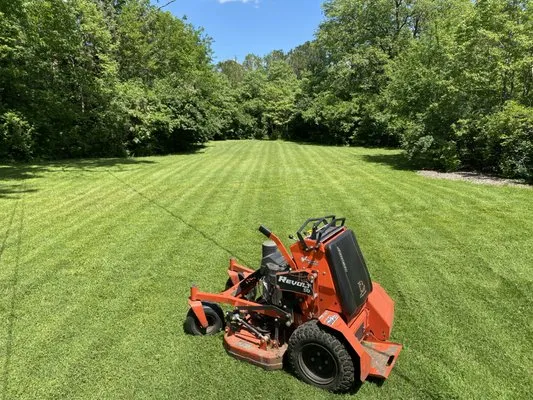
AB Mowing is a trusted local service provider in Wichita, KS, offering comprehensive solutions for lawn care, snow removal, and junk removal. With a focus on reliability and affordability, we handle e...

Justin Empire Fences is a Wichita-owned and operated company dedicated to enhancing outdoor living spaces. Founded in 2017 by Justin, a father of two, the business is built on a foundation of hard wor...
Estimated Landscaping Service Costs in Attica, KS
Common Questions
I'm tired of weekly mowing and blowing. Are there quieter, lower-maintenance options?
Transitioning perimeter areas to a native grassland mix of Little Bluestem, Switchgrass, and Leadplant significantly reduces mowing and eliminates gas-powered leaf blowing. These deep-rooted perennials thrive in Zone 6b, require minimal water after establishment, and provide superior habitat. This shift aligns with evolving noise ordinances and enhances your property's ecological function.
A fast-spreading weed is taking over my flower beds. How do I stop it safely?
Accurate identification is critical, as treatments for invasive species like bindweed differ from native volunteers. Targeted, manual removal or precise spot-treatment with approved herbicides, applied outside of any state-mandated nutrient application blackout dates, is the recommended protocol. This prevents damage to desirable plants like Purple Coneflower and Aromatic Aster while complying with Kansas nutrient management guidelines.
My HOA issued a violation notice for overgrowth. How fast can a crew address this?
An emergency compliance crew can typically dispatch from Attica City Park, utilizing KS-2 for efficient routing to the Historic District. For a standard 0.25-acre property, a team can perform a corrective mow and debris removal within a 45-60 minute service window, ensuring work concludes within permitted noise ordinance hours.
We're regrading our backyard for better drainage. What permits or contractor credentials are needed?
Significant regrading on a 0.25-acre lot typically requires a review by the Harper County Zoning & Planning office to ensure proper drainage flow and compliance with codes. The contractor must hold appropriate licensing through the Kansas Department of Agriculture, which regulates landscape architecture and contracting to guarantee work meets structural and environmental standards for soil disturbance and water management.
The soil in my yard feels dense and water pools after rain. Is this just an old lawn problem?
Attica's Historic District properties, built around 1960, have mature soil systems approximately 66 years old. The prevalent Silty Clay Loam naturally compacts over decades, reducing percolation and creating surface runoff. Core aeration paired with organic compost amendments is essential to rebuild soil structure, increase permeability, and support deeper root systems for your Tall Fescue.
How do I keep my lawn green during summer without violating water conservation rules?
Attica's voluntary conservation stage allows for efficient watering. A Smart Wi-Fi ET-based irrigation controller uses local evapotranspiration data to apply water only when Tall Fescue needs it, preventing overwatering. This system adjusts for daily weather, maintaining turf health while staying well within municipal water use expectations and supporting long-term aquifer sustainability.
We want a new patio. Is local sandstone a better choice than wood for our climate?
Local Sandstone Pavers offer superior longevity and fire resistance compared to wooden decks, a relevant factor given Attica's Moderate Grassland Interface Fire Wise rating. Sandstone requires no sealing, withstands freeze-thaw cycles in Zone 6b, and provides non-combustible defensible space. Its thermal mass also moderates patio temperature more effectively than wood.
My patio area floods, worsening the mud near the house. What's a lasting solution?
Moderate runoff from Silty Clay Loam soils is common here. Installing permeable local Sandstone Pavers in patios or walkways allows water to infiltrate directly into the subsoil, mitigating compaction issues. This approach often meets Harper County Zoning & Planning standards for on-site stormwater management and reduces the hydraulic load on your property's drainage system.
