Top Landscaping Services in Atchison, KS, 66002 | Compare & Call
There are 45 landscaping companies server in Atchison KS

A & M Landscape and Framing is a Topeka-based lawn care specialist dedicated to solving the common local issues of patchy grass and lawn fungus. For homeowners in Topeka, these problems can be frustra...
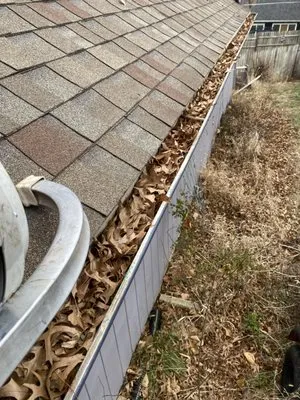
Free State Gutter Cleaning has been a trusted home service provider for Topeka residents since 2010. We specialize in comprehensive gutter services—from cleaning and repair to full replacements—while ...

Rock Out Excavation is your trusted, local partner for excavation and landscaping in Holton, Kansas. We provide reliable services for residential, commercial, and industrial projects, from foundationa...

Topeka Outdoor Services is a trusted local company helping homeowners across Topeka, KS, maintain beautiful and functional properties. We specialize in the essential outdoor tasks that keep your home ...

Limitless Lawn Care is a Topeka-based lawn service provider dedicated to helping local homeowners achieve and maintain healthy, vibrant lawns. Many Topeka homes struggle with common landscaping issues...
Maple Wood Lawn Care is a trusted local lawn specialist serving Hiawatha, KS, and surrounding areas since 2004. Licensed, bonded, and insured, we provide residential and commercial services across NE ...
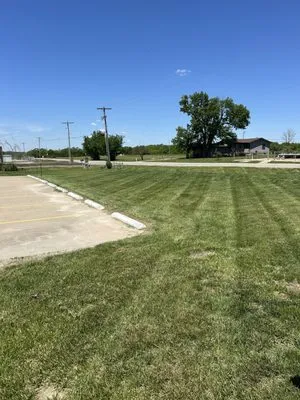
EZ and Sons is a trusted, family-owned lawn care and snow removal service proudly serving Lecompton, KS. We understand the unique challenges of local yards, including persistent mulch bed weeds and so...
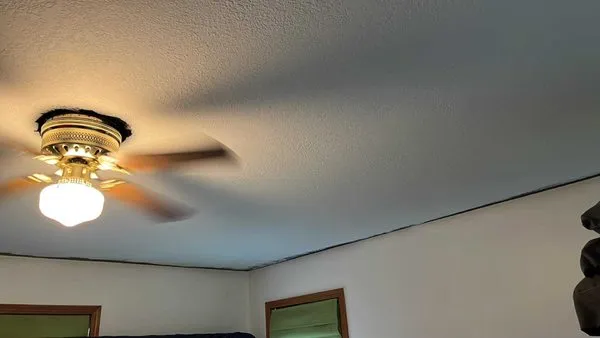
Reliable Service Solutions
Reliable Service Solutions is a family-owned and operated business serving Burlington, KS, and the surrounding area. We're dedicated to providing quality work at affordable prices for both residential...
Turf Terminators is Topeka's trusted partner for resolving common local lawn challenges like patchy grass and tree root damage. As a dedicated lawn care service, we understand the unique demands of th...
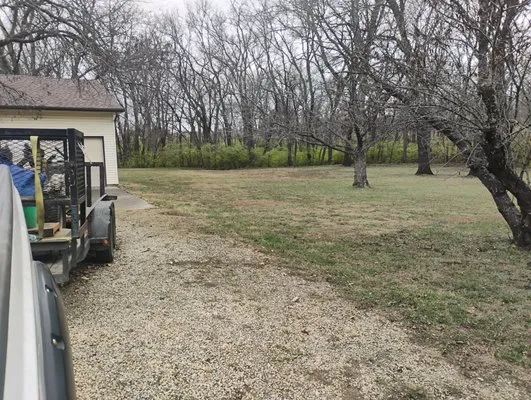
Shepherds Home & Lawn Care is a Topeka-based, full-service provider specializing in lawn care, damage restoration, and flooring solutions. We understand the unique challenges Topeka homeowners face, p...
Estimated Landscaping Service Costs in Atchison, KS
Common Questions
How do I maintain my Tall Fescue lawn during Atchison's dry periods without violating water rules?
Wi-Fi ET-based weather sensing irrigation systems automatically adjust watering schedules using real-time evapotranspiration data. This technology applies only the water Tall Fescue actually needs, typically 1-1.5 inches weekly during peak growth. Under Stage 0 restrictions, this precision prevents overwatering while maintaining turf health. Properly calibrated systems reduce municipal water use by 20-30% compared to traditional timers.
What permits and licenses are required for significant yard regrading on my property?
Grading projects altering more than 100 cubic yards of soil on 0.22-acre lots require permits from Atchison City Planning & Inspections. Contractors must hold Kansas Department of Agriculture landscaping licenses with erosion control endorsements. These regulations ensure proper drainage patterns that don't impact neighboring properties. Unlicensed grading risks fines up to $1,000 and mandatory restoration at owner expense.
Why choose limestone veneer over wood for durable outdoor structures?
Limestone veneer offers 50+ year longevity with minimal maintenance, unlike wood that requires annual treatment in Kansas' variable climate. Its non-combustible nature supports Moderate Firewise USA ratings by creating defensible space around structures. When paired with permeable pavers, this hardscape combination manages runoff while providing durable surfaces that withstand freeze-thaw cycles common in Zone 6a.
How quickly can you respond to an emergency storm cleanup for HOA compliance?
Emergency storm response typically requires 20-30 minutes during peak conditions from dispatch near the Atchison County Courthouse. Our electric maintenance fleet travels via US-73 to minimize noise impact while meeting standard ordinance limits. This routing ensures efficient access to Highland Park properties for debris removal and safety restoration. We prioritize immediate hazards like downed branches blocking driveways or threatening structures.
Why does my Highland Park lawn struggle despite regular care?
Atchison's Highland Park neighborhood has homes averaging 63 years old, with silt loam soil that has compacted over decades. This soil type naturally develops a dense layer that restricts root growth and water infiltration. Core aeration in early spring addresses this by creating channels for air, water, and nutrients to reach deeper soil levels. Incorporating organic amendments like compost further improves soil structure and microbial activity, essential for long-term turf health in USDA Zone 6a.
What low-maintenance alternatives exist for my high-water-use lawn areas?
Transitioning to native plantings like Purple Coneflower, Little Bluestem, Butterfly Milkweed, and Wild Bergamot reduces water needs by 75-90% once established. These species thrive in Zone 6a without fertilizers, aligning with future electric equipment mandates. A phased conversion over 2-3 growing seasons maintains soil stability while building pollinator habitat that exceeds 2026 biodiversity benchmarks.
What solutions exist for persistent runoff issues in my clay-heavy yard?
Clay-heavy subsoil beneath silt loam creates moderate runoff problems common in Atchison. Installing permeable pavers allows water infiltration at 5-10 inches per hour, meeting city planning runoff standards. French drains with gravel beds redirect subsurface water away from foundations. Grading adjustments that create gentle slopes toward drainage points further mitigate pooling during heavy rains.
How should I handle invasive species without using restricted fertilizers?
Japanese knotweed and garlic mustard present the highest invasion risks in Atchison. Manual removal before seed set, combined with targeted organic herbicides containing citric acid or clove oil, effectively controls spread. These methods avoid phosphorus prohibition issues while protecting native plant communities. Timing treatments for early spring or late fall maximizes effectiveness without disrupting soil microbiology.
