Top Landscaping Services in Altamont, KS, 67330 | Compare & Call
There are 38 landscaping companies server in Altamont KS
Sek Leaf & Lawn
Sek Leaf & Lawn is your trusted local partner for a healthy, beautiful property year-round in Independence, KS. We understand the common local challenges homeowners face, such as damaged landscape edg...
Carolina Scapes is a trusted landscaping company serving Independence, KS, dedicated to helping homeowners overcome common local challenges like soil compaction and lawn fungus disease. We specialize ...
Dunham's Lawn And Home is a trusted lawn care provider serving Independence, KS, and the surrounding communities. We specialize in comprehensive lawn care services designed to address common local lan...
Miguel Vasquez Complete Maintenance is your local Pleasanton, KS partner for solving common residential landscaping challenges. We specialize in addressing the specific issues homeowners face in our a...
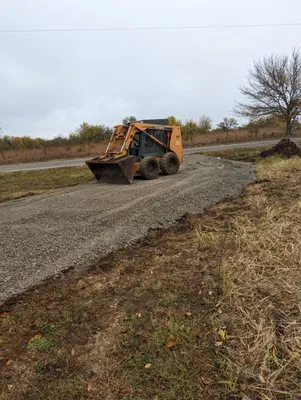
Hartman Landscaping is a trusted local landscaping company serving homeowners throughout Blue Mound, Kansas. We understand the unique challenges of maintaining a beautiful yard in our climate, from un...
Woodburn Landscaping is your trusted local partner for maintaining a pristine and healthy outdoor space in Elk City, KS. We understand the common local challenges of persistent mulch bed weeds and une...
Claryworks Landscaping
Claryworks Landscaping is a Fort Scott, KS-based company specializing in landscaping, masonry/concrete, and excavation services. We help local homeowners tackle common landscaping issues like sprinkle...
Patrick's Lawn Care Service is a trusted local landscaping provider serving Columbus, KS homeowners. We specialize in addressing common local landscaping challenges like poor lawn grading and tree roo...
Estimated Landscaping Service Costs in Altamont, KS
Common Questions
Why does my Altamont yard have such compacted soil that struggles to absorb water?
Altamont Residential District properties with 1968-era construction have 58-year-old soil systems that have experienced decades of compaction from foot traffic and traditional maintenance. The silt loam soil common here naturally compacts over time, reducing permeability and creating the moderate runoff issues observed. Core aeration with organic amendments like compost improves soil structure by increasing pore space for water infiltration and root development. This addresses the clay subsoil compaction while maintaining the optimal pH 6.5-7.0 range for most landscape plants.
What solutions exist for the standing water that forms in my yard after heavy rains?
The silt loam soil with clay subsoil compaction creates moderate runoff issues common in Altamont. Installing French drains or dry creek beds with permeable crushed limestone hardscape improves water movement while meeting city runoff standards. The Altamont City Clerk Zoning Department requires drainage solutions that maintain natural water flow patterns. Combining these with soil amendments addresses both surface pooling and subsurface compaction problems effectively.
How quickly can you respond to an HOA violation notice requiring immediate cleanup?
Emergency cleanup crews typically arrive within 20-30 minutes from dispatch. Our electric maintenance fleet departs from the Labette County Fairgrounds area, travels east on US-160, and enters the Altamont Residential District without violating the 7 AM noise ordinance for gas equipment. This routing allows same-day resolution of most HOA compliance issues while maintaining professional standards for property appearance and community regulations.
Can I maintain healthy Tall Fescue turf while following Altamont's water conservation guidelines?
Smart Wi-Fi weather-based controllers optimize irrigation by using real-time evapotranspiration data to match watering to actual plant needs. These systems automatically adjust schedules during rainfall or high humidity, reducing water use by 20-40% compared to traditional timers. Under normal voluntary conservation status, this technology maintains Tall Fescue health while staying well within municipal water limits. Proper programming considers the weekly mowing schedule from April through October to coordinate irrigation with maintenance activities.
Is crushed limestone or wood better for pathways in fire-prone areas of Altamont?
Crushed limestone provides superior fire resistance compared to wood, making it ideal for defensible space requirements in moderate Fire Wise zones. The mineral composition doesn't combust, and its light color reflects heat rather than absorbing it. For 0.25-acre properties, limestone pathways create firebreaks while allowing proper emergency access. This material also integrates well with native plantings and requires minimal maintenance compared to wood's deterioration from weather and insect damage.
How should I handle invasive species without harming my existing plants or violating regulations?
Targeted manual removal or spot-treatment with EPA-approved herbicides during active growth periods controls invasive species effectively. Kansas Department of Agriculture BMP guidelines prohibit fertilizer application on frozen ground, so timing treatments for spring or fall ensures compliance. For persistent issues like bindweed or Johnsongrass, sequential approaches combining mechanical removal with selective herbicides work best. Always verify treatment dates against local ordinance blackout periods to avoid violations.
What permits and licenses are needed for regrading my backyard on a quarter-acre lot?
Grading work on 0.25-acre properties requires both city permits and professional licensing. The Altamont City Clerk Zoning Department issues grading permits to ensure proper drainage and erosion control. Contractors must hold Kansas Department of Agriculture landscaping licenses demonstrating competency in soil management and runoff prevention. Significant elevation changes may trigger additional engineering reviews, particularly given the area's moderate runoff hazards and clay subsoil conditions that affect water movement patterns.
What low-maintenance alternatives exist for reducing lawn care time and equipment noise?
Transitioning high-maintenance turf areas to native plantings like Purple Coneflower, Little Bluestem, and Butterfly Milkweed creates resilient landscapes requiring minimal intervention. These species thrive in USDA Zone 6b conditions with established root systems that outcompete weeds naturally. This approach reduces mowing frequency and eliminates gas blower use, staying ahead of noise ordinance restrictions while supporting local biodiversity. Aromatic Aster and Switchgrass add seasonal interest with minimal water requirements once established.
