Top Landscaping Services in Worthington, IN, 47471 | Compare & Call
There are 52 landscaping companies server in Worthington IN

BCM Lawn Care and Services is a locally owned and operated lawn service provider in Bloomington, Indiana, dedicated to helping homeowners maintain healthy, attractive outdoor spaces. We specialize in ...

Our Bread and Butter is a family-owned and operated business dedicated to enhancing outdoor and indoor living spaces in Bloomington. We bring a personal, hands-on approach to every project, from custo...
Wood-Cutters Lawn Care is a Greencastle-based landscaping and snow removal company dedicated to enhancing outdoor spaces throughout Putnam County. We specialize in comprehensive solutions for common l...

Lawn Legends Landscaping is a Bedford-based, locally owned landscaping and tree service company. We're a dedicated team focused on reliable service and quality results for every project, from landscap...
Lawn Wizards and Landscaping
Lawn Wizards and Landscaping LLC was founded in 2023 by a local professional with years of hands-on industry experience. We built our company on a foundation of reliability, hard work, and a genuine c...

D&M Services is a trusted local provider in Bedford, IN, specializing in comprehensive lawn and gutter solutions. Many Bedford homes face common landscaping challenges like overgrown shrubs and sprink...
Ingram Building Services is a locally owned and operated full-service company serving Franklin, IN, and surrounding Hamilton, Marion, and Johnson counties. With over 30 years of combined experience, w...
Saac Of All Trades is a Bloomington-based lawn and tree service company dedicated to keeping local properties healthy and well-maintained. We specialize in comprehensive lawn care, tree services, and ...

Robinson Lawn Company is a locally owned and operated lawn service provider serving Spencer, Owen County, and Monroe County. We specialize in reliable lawn care, including mowing, spring and fall clea...
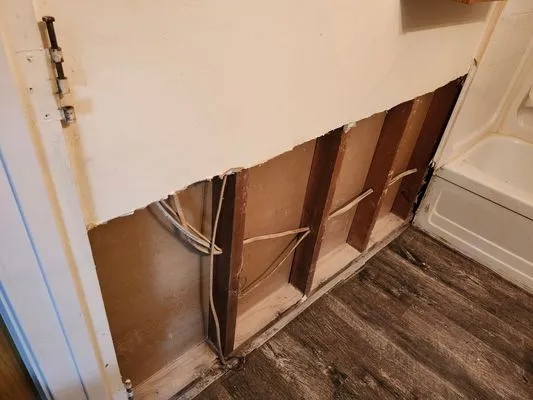
Innovation x is a Bloomington-based home services company specializing in drywall, painting, and landscaping. We combine practical expertise with a thoughtful approach to help local homeowners maintai...
Estimated Landscaping Service Costs in Worthington, IN
Q&A
How quickly can you respond to a storm-damaged tree blocking a driveway?
Our standard emergency response for a critical safety issue like a blocked driveway is 20-30 minutes during peak hours. Our dispatch, located near Worthington Town Park, utilizes IN-67 for primary access to the City Center neighborhood, allowing for efficient routing around localized congestion. Crews travel with electric chainsaws and chippers that comply with residential quiet hour ordinances, enabling immediate work upon arrival without noise violation concerns.
Why do I need a licensed contractor for a simple regrading project in my backyard?
Regrading alters the drainage patterns of your 0.25-acre lot, which can impact neighboring properties and municipal stormwater systems. The Greene County Area Plan Commission requires permits for significant earth moving to ensure compliance with erosion control and runoff regulations. A landscape contractor licensed by the Indiana Professional Licensing Agency carries the necessary bonding and insurance, and possesses the technical knowledge to execute the plan correctly, preventing costly future issues like foundation water intrusion or compliance violations.
My yard stays soggy for days after heavy rain. What's the solution?
This is a common issue in Worthington due to our silt loam soil and moderate seasonal water table fluctuation. The primary solution is improving subsurface drainage through strategically placed French drains or dry creek beds that direct water away from foundations. For hardscape projects, using permeable concrete pavers or open-graded crushed limestone allows rainwater to percolate into the soil, meeting Greene County Area Plan Commission standards for managing stormwater runoff on-site and reducing the burden on municipal systems.
What are the real benefits of switching from grass to native plants?
Transitioning high-maintenance turf to a planting of Purple Coneflower, Butterfly Milkweed, Little Bluestem, and Wild Bergamot establishes a resilient, low-input landscape. These deep-rooted natives require no irrigation once established, sequester more carbon, and provide critical habitat for pollinators, aligning with 2026 biodiversity goals. This shift also reduces dependency on gas-powered mowers and blowers, future-proofing your property against evolving noise ordinances and the industry's transition to electric maintenance fleets.
Are concrete pavers a better long-term choice than wood for a new patio?
For longevity and minimal maintenance in Zone 6a, concrete pavers and crushed limestone are superior to wood. They do not rot, warp, or attract pests, and their inherent fire resistance contributes to a defensible space, which is a consideration even in Worthington's low Fire Wise rating zone. A properly installed paver patio with a geotextile fabric base and polymeric sand joints can last decades without significant repair, offering a permanent solution that withstands freeze-thaw cycles.
How do I deal with invasive weeds without harming my garden or the local creek?
For invasive species like Japanese knotweed or garlic mustard, precise mechanical removal or targeted spot-spraying with a glyphosate alternative is most effective. Timing is critical; applications must avoid forecasted rain to prevent runoff into waterways, which is regulated under state guidance on phosphorus application. We recommend a spring or fall treatment schedule that deliberately avoids any local fertilizer ordinance blackout dates, ensuring control is both safe and compliant.
Is it wasteful to water my lawn when there are no official restrictions?
Voluntary conservation is a best practice for long-term turf health and resource management. Modern smart Wi-Fi controllers, paired with in-ground soil moisture sensors, create an ET-based irrigation schedule that applies water only when and where Tall Fescue needs it. This system prevents overwatering, which exacerbates fungal disease in silt loam, and keeps your usage well within municipal guidelines. It effectively preserves the lawn's vigor while reducing your potable water consumption by an estimated 30-40% annually.
Why does my soil seem so hard and compacted compared to other parts of town?
Homes in the Worthington City Center area, built around 1949, have established lawns on mature silt loam soils. Over 75+ years of routine foot traffic and seasonal mowing, this soil profile has lost significant permeability and organic matter. Core aeration is a critical annual practice to relieve compaction, improve gas exchange, and facilitate the incorporation of compost. This process directly addresses the low permeability that restricts root growth for Tall Fescue and limits water infiltration during our moderate seasonal water table fluctuations.
