Top Landscaping Services in Woodburn, IN, 46797 | Compare & Call
There are 113 landscaping companies server in Woodburn IN
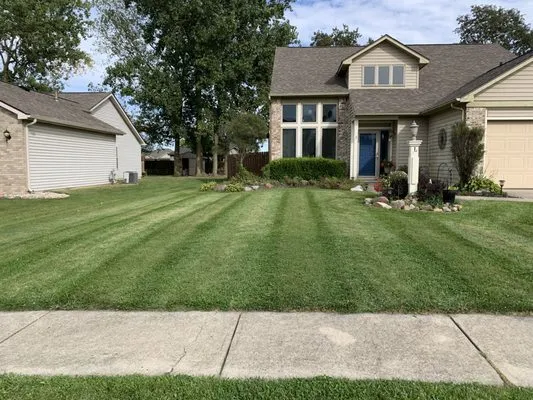
Layton’s Lawn Care is a skilled, locally-owned company serving Fort Wayne and the surrounding communities. We provide reliable lawn maintenance to keep your property looking its best, along with profe...
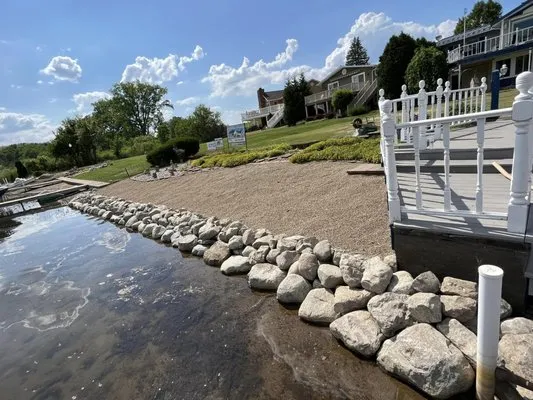
Jim's Rock Seawalls is a family-owned landscaping and stonemasonry business serving Fremont, IN, and Northeast Indiana since 1990. Specializing in seawalls, retaining walls, and stone stairways, we pr...
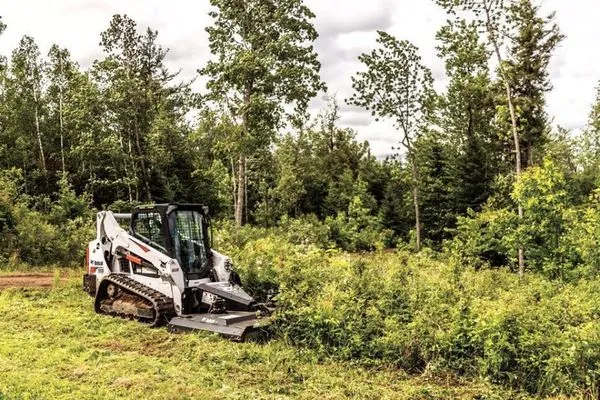
Eicher's Bobcating and Bush hogging is a trusted landscaping company serving Woodburn, IN, and the surrounding areas. We specialize in comprehensive land management solutions, including earthmoving, i...
Estimated Landscaping Service Costs in Woodburn, IN
Questions and Answers
What invasive species should I watch for, and how do I control them safely?
Common invasive threats in this area include Japanese Knotweed, Garlic Mustard, and Callery Pear. Manual removal for young plants is most effective. For mature perennials, targeted herbicide application by a licensed professional is often necessary; this must be carefully timed to avoid Indiana's phosphorus application restrictions and seasonal blackout dates. Always prioritize methods that prevent soil disturbance and seed spread, and consider replanting treated areas with aggressive natives like Wild Bergamot to outcompete returning weeds.
Is there a lower-maintenance, quieter alternative to my traditional turf grass?
Transitioning to a native plant community offers significant long-term benefits. Species like Purple Coneflower, Butterfly Milkweed, and Little Bluestem are adapted to Indiana's Zone 6a climate, requiring less water, no synthetic fertilizer, and minimal mowing. This xeriscape approach reduces dependency on gas-powered blowers and mowers, future-proofing your property against potential tighter noise ordinances. It also builds local biodiversity and provides critical habitat for pollinators throughout the growing season.
My yard holds water for days. What's a permanent solution that also looks good?
Chronic pooling is a hallmark of Blount-Pewamo Silt Loam due to its high clay content and slow permeability. A functional solution integrates subsurface French drains or dry creek beds with permeable surface materials like crushed limestone. Replacing solid concrete with modular concrete pavers set on a gravel base increases ground absorption and can help meet Allen County runoff standards. The goal is to redirect water away from foundations while using the landscape itself as a managed drainage asset.
Are concrete pavers or wooden decks better for a long-lasting patio?
For longevity and minimal upkeep in Indiana's climate, concrete pavers outperform wood. They are impervious to rot, insect damage, and moisture-related warping common with timber. In a low Fire Wise rating area like Woodburn, non-combustible materials like pavers or crushed limestone also contribute to defensible space. A properly installed paver patio with a geotextile barrier and gravel base will remain stable for decades despite seasonal freeze-thaw cycles and soil saturation, offering a better lifetime value.
I need an emergency cleanup after a storm to meet HOA standards. How fast can a crew arrive?
For urgent HOA compliance or storm debris removal, our dispatch from the Woodburn Community Park area allows for a 20-30 minute peak response time. Crews route via US-24 for direct access to the Historic District, prioritizing safety and efficient debris management. This schedule aligns with local noise ordinance hours, ensuring all powered equipment operates between 7 AM and 9 PM. We coordinate arrival to assess scope and deploy the appropriate electric or gas equipment for the task.
Why does my lawn in the Woodburn Historic District seem to drain poorly and feel spongy?
Homes built around 1975 in this district sit on a mature 50-year-old landscape with Blount-Pewamo Silt Loam soil. This soil type is naturally dense with high clay content, leading to poor permeability and seasonal saturation. Over decades, compaction from foot traffic and maintenance equipment has reduced soil percolation. The solution is not more water, but core aeration and incorporating organic compost to rebuild soil structure and improve root zone health.
How can I keep my Kentucky Bluegrass and Tall Fescue blend green without wasting water?
Effective irrigation in USDA Zone 6a requires precision, not just volume. A smart Wi-Fi ET-based system uses local weather data to apply water only when evapotranspiration rates indicate need, preventing overwatering that exacerbates our clay soil's drainage issues. This technology maintains turf health within standard municipal use guidelines, even without formal restrictions. Properly calibrated, it deep-waters roots to encourage drought tolerance, aligning irrigation with actual plant demand rather than a fixed schedule.
Why does my contractor say I need a permit just to regrade my backyard?
Significant grading on a 0.25-acre lot alters surface water drainage patterns, impacting neighboring properties and municipal systems. The Allen County Department of Planning Services requires permits for such work to ensure compliance with erosion control and stormwater management ordinances. Furthermore, the contractor performing this work must hold appropriate licensing through the Indiana Professional Licensing Agency, which verifies competency in soil mechanics and proper water diversion—critical knowledge for dealing with our region's poor-draining soils.
