Top Landscaping Services in Winchester, IN, 47394 | Compare & Call

J&J Landscaping
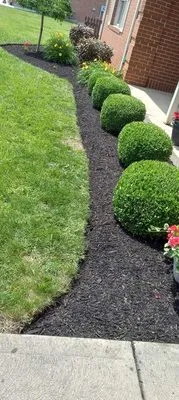
J&J Landscaping is a family-operated business serving Winchester, IN, with comprehensive landscaping solutions. We specialize in transforming outdoor spaces through expert design, construction, and ma...
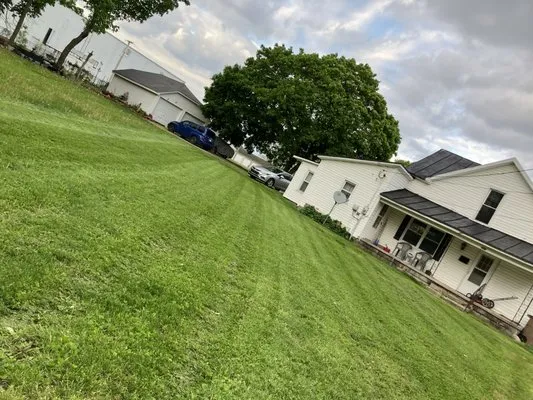
All Season Solutions in Winchester, IN is a father-and-son owned business providing comprehensive outdoor services to Randolph County, Jay County, and surrounding areas. We specialize in junk removal ...

Hines Nursery & Landscaping is a Winchester-based provider dedicated to solving the area's common landscaping challenges. Many local homes struggle with overgrown shrubs that obscure property lines an...
Affordable Lawn Care Duo is your Winchester neighbor for reliable lawn and property services. Based right here in town, we understand the specific challenges local homeowners face, like storm debris c...
Robbins Mowing Service is a trusted, local landscaping company serving Winchester, Indiana, and the surrounding Randolph County area. We specialize in providing reliable mowing, trimming, and general ...
JJT Lawncare provides professional lawn care services to the Winchester, IN community. We understand the common local landscaping challenges many homeowners face, such as tree root lawn damage and dyi...
Gabriel's Landscapes and Contracting is a Winchester-based contractor specializing in both landscaping and general construction services. We help local homeowners and businesses maintain and improve t...
FAQs
How can I maintain Kentucky Bluegrass and Tall Fescue turf with Winchester's water conservation standards?
Smart Wi-Fi ET-based controllers optimize irrigation by calculating evapotranspiration rates specific to your microclimate. These systems adjust watering schedules daily based on temperature, humidity, and solar radiation data, typically reducing water use by 20-30% compared to traditional timers. They maintain turf health during weekly mowing periods from April through October while staying well within municipal conservation guidelines. The technology prevents overwatering that exacerbates our region's high seasonal water table conditions.
Should I use concrete pavers or wood for my new patio considering Winchester's climate?
Concrete pavers and crushed limestone offer superior longevity in Winchester's Zone 6a freeze-thaw cycles, typically lasting 25+ years versus wood's 10-15 year lifespan with maintenance. These materials maintain structural integrity through temperature fluctuations that cause wood warping and rot. For Winchester's Low Fire Wise Urban Interface rating, non-combustible hardscapes create defensible space without contributing to fire spread. Their permeability also addresses drainage concerns better than solid concrete slabs.
I want to reduce maintenance while preparing for future electric equipment requirements. What should I plant?
Transitioning to native plantings like Purple Coneflower, Butterfly Milkweed, Little Bluestem, and Wild Bergamot creates low-input landscapes that thrive in Zone 6a conditions. These species require no weekly mowing, minimal watering once established, and support 2026 biodiversity targets. Their deep root systems improve soil structure naturally, reducing the need for gas-powered aeration equipment that faces increasing noise ordinance restrictions. This approach future-proofs your landscape against evolving maintenance regulations.
What permits and licenses are required for regrading my 0.22-acre property in Winchester?
The Randolph County Area Planning Commission requires grading permits for any earth movement exceeding 50 cubic yards on residential lots. For professional installation, contractors must hold landscape architecture or contractor licensing through the Indiana Professional Licensing Agency. Specific licensing ensures proper slope calculations that prevent drainage onto neighboring properties and comply with erosion control standards. On 0.22-acre parcels, even minor grading can trigger permit requirements due to limited space for proper water diversion.
Our yard floods every spring due to poor infiltration. What solutions work with Blount-Pewamo Silt Loam?
Blount-Pewamo Silt Loam's fine particles create naturally slow percolation rates, especially with Winchester's high seasonal water table. Installing French drains with clean gravel backfill creates subsurface channels for water movement. For surface solutions, permeable concrete pavers or crushed limestone pathways allow infiltration while meeting Randolph County Area Planning Commission runoff standards. These materials maintain 30-40% void space for water passage, reducing standing water that compromises turf and foundation integrity.
We need emergency storm cleanup to meet HOA compliance deadlines. What's your fastest response time?
Our electric maintenance fleet can dispatch from the Randolph County Courthouse area within 20-30 minutes during peak conditions. We route via US-27 to minimize travel interruptions while adhering to the 8:00 AM - 8:00 PM noise ordinance window. This timing accounts for debris removal, branch chipping, and surface grading to restore property lines on 0.22-acre lots. We prioritize routes that avoid downtown congestion while maintaining compliance with all local disturbance regulations.
My Historic Winchester Downtown yard has compacted soil that won't drain. Is this typical for our neighborhood?
Yes, this is characteristic of Winchester's 1950s-era construction. Your lot's soil has matured for 69 years since the average 1957 build date, allowing Blount-Pewamo Silt Loam to settle into dense layers with poor permeability. The silt loam composition naturally compacts over decades, reducing pore space for water movement and root growth. Core aeration combined with organic amendments like composted leaf mold will rebuild soil structure without altering the native pH range of 6.5-7.2.
What invasive species threaten Winchester landscapes, and how do I treat them safely?
Japanese knotweed and garlic mustard present significant threats in Randolph County, outcompeting natives and degrading soil health. Manual removal before seed set in early spring proves most effective, followed by targeted spot treatments using glyphosate alternatives. All treatments must avoid phosphorus-containing products near waterways per state fertilizer ordinances. Time applications outside of blackout periods when pollinators are active, typically early morning or late evening. Regular monitoring prevents reestablishment without violating environmental protections.
