Top Landscaping Services in Whiteland, IN, 46131 | Compare & Call


Dedicated Lawn Care is a Whiteland-based lawn service founded by owner Danny, who brings a genuine passion for the outdoors and a commitment to personal care to every job. With a background rooted in ...
Restoration Landscape
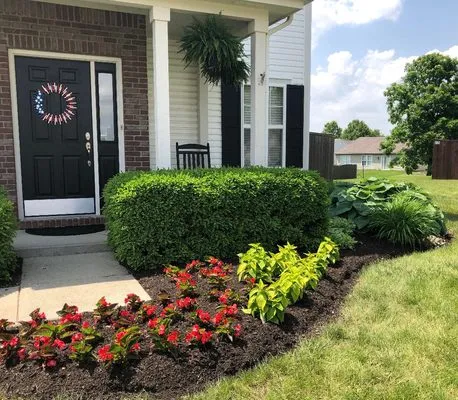
Restoration Landscape is a Whiteland-based professional landscape company founded in 2014 by Robert Pesto, who brings over 34 years of green industry experience and a Landscape Architecture degree fro...

Dynamic Landscape Design
Dynamic Landscape Design is your Whiteland, IN partner for creating and maintaining beautiful, healthy outdoor spaces year-round. We specialize in comprehensive landscape design, professional lawn car...

Pedraza's Mowing
Pedraza's Mowing has been a trusted landscaping partner in Whiteland, IN, and throughout Indiana for over 15 years. We specialize in comprehensive lawn and tree care, from routine mowing and pruning t...

Evergreen Lawn Care is a locally owned and operated lawn service company serving Whiteland, IN, and the Greater Indianapolis area since 1989. We specialize in professional turf care, including fertili...
Nick's Lawn Service is a trusted local provider in Whiteland, IN, specializing in comprehensive lawn care solutions. We understand that many homeowners in our community face common landscaping challen...

For over 35 years, Tree Doctor has been a trusted, family-owned and operated tree care service in Whiteland, IN. We've built our reputation by dedicating our family's expertise to caring for your fami...
Project 400 Community Solutions is your trusted local partner in Whiteland, IN, specializing in property management, landscaping, and handyman services. We understand the unique challenges of maintain...
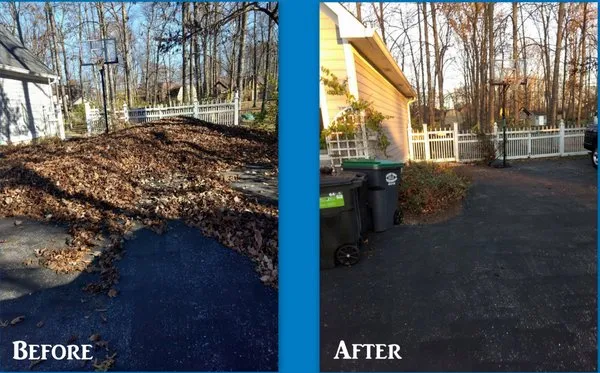
Bartlett Lawn Care LLC is a family-owned and operated lawn service based in Whiteland, IN, with over 25 years of experience in the industry. Founded with just a push mower and trimmer, the business ha...
Hammer Lane Lawn Care Service is your trusted local lawn care expert in Whiteland, IN. We understand the unique challenges Whiteland homeowners face, such as stubborn dead patches in lawns and frustra...
Questions and Answers
Are concrete pavers better than wood for long-term durability in our climate?
Concrete pavers withstand freeze-thaw cycles for 25+ years versus wood's 8-12 year lifespan in Zone 6a. Their non-combustible nature supports the Low Fire Wise Rating by creating defensible space without fuel accumulation. The thermal mass moderates surface temperatures 5-7°F compared to wood, reducing heat island effects. Properly installed with polymeric sand joints, paver systems resist frost heave better than organic materials while maintaining permeability requirements.
What solutions prevent seasonal ponding in my clay-heavy yard?
The Blount-Pewamo Silt Loam's high clay content creates percolation rates below 0.1 inches per hour, causing surface water accumulation. Installing permeable concrete pavers with crushed limestone aggregate bases increases infiltration to 5-10 inches per hour. This meets Whiteland Planning and Building Department runoff standards while eliminating standing water within 24 hours post-storm. French drains with clean stone backfill provide secondary protection where soil amendments alone prove insufficient.
Can I maintain Kentucky Bluegrass and Tall Fescue during Whiteland's water restrictions?
Smart Wi-Fi ET-based controllers adjust irrigation to actual evapotranspiration rates, reducing water use 20-30% while preserving turf health. These systems automatically comply with Level 1 voluntary conservation by skipping cycles during rainfall and reducing runtime during high humidity. Programming follows USDA Zone 6a growing degree days rather than fixed schedules, preventing overwatering in clay soils. This technology maintains the blend's density without exceeding municipal water allocation limits.
Why does my Whiteland Meadows lawn have drainage issues despite regular care?
Whiteland Meadows properties built around 1976 have soil that has matured for approximately 50 years. The Blount-Pewamo Silt Loam common in this area develops high clay compaction over decades, reducing permeability to 0.06 inches per hour. This soil requires annual core aeration to maintain oxygen exchange and organic amendments like compost to improve structure. Without intervention, the natural pH range of 6.5-7.2 becomes less relevant as physical compaction dominates drainage performance.
What permits and licenses are required for regrading my 0.28-acre property?
The Whiteland Planning and Building Department requires grading permits for soil movement exceeding 50 cubic yards on 0.28-acre lots. Contractors must hold Indiana Professional Licensing Agency certification for earthwork affecting drainage patterns. This ensures compliance with municipal runoff calculations and prevents downstream erosion violations. Professional licensing verifies competency in soil compaction testing and slope stabilization, critical for preventing structural damage to neighboring properties in clay-dominated substrates.
How do I control invasive species without violating fertilizer regulations?
Japanese knotweed and garlic mustard pose the highest invasion risk in Whiteland's disturbed soils. Treatment involves targeted glyphosate applications during active growth phases, avoiding the phosphorus-free fertilizer blackout periods. Manual removal before seed set in early summer prevents chemical dependency. Soil testing confirms nutrient deficiencies before amendment, ensuring any supplemental feeding uses approved formulations. This integrated approach manages invasives while maintaining ordinance compliance throughout the growing season.
Should I replace traditional turf with native plants to reduce maintenance?
Transitioning to Purple Coneflower, Butterfly Milkweed, and Little Bluestem eliminates weekly mowing while providing habitat for 37% more pollinator species. These natives thrive in Zone 6a without irrigation after establishment, aligning with 2026 biodiversity standards. The shift reduces gas-powered equipment use ahead of potential blower restrictions under noise ordinances. Wild Bergamot and Prairie Dropseed create self-sustaining plant communities that require only annual cutting back rather than continuous inputs.
How quickly can you respond to an HOA violation notice for overgrown vegetation?
Emergency cleanup crews dispatch from Whiteland Town Hall via US-31, reaching Whiteland Meadows within the 20-30 minute peak response window. We prioritize compliance visits during restricted noise ordinance hours (9:00 PM to 7:00 AM) using electric equipment to avoid violations. The route optimization accounts for US-31 traffic patterns, ensuring arrival before municipal inspection deadlines. This timing prevents secondary fines while addressing immediate vegetation management needs.
