Top Landscaping Services in Warren Park, IN, 46219 | Compare & Call


Everything & Beyond Landscaping
Everything & Beyond Landscaping is your trusted local landscaping partner in Warren Park, IN, specializing in comprehensive outdoor solutions. We understand that Warren Park homeowners often struggle ...
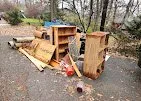
Indy Ez Haul And Junk Removal is a local Warren Park, IN business specializing in junk removal, hauling, and lawn services. We provide reliable, same-day service for appliance disposal, furniture remo...
Myles And Son's is your trusted, family-owned partner for lawn care and junk removal in Warren Park, IN. We specialize in tackling the common landscaping challenges faced by local homeowners, from man...
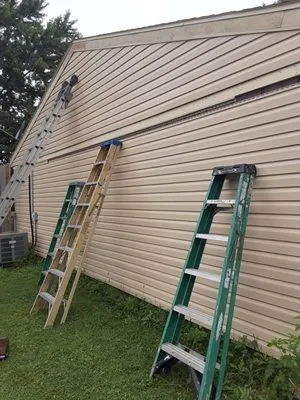
Clark's Construction is a Warren Park handyman and landscaping company built on a lifetime of local know-how. Owner Clark started learning the trade at age 13, working alongside his father and uncle o...
Green Forest Landscaping is your trusted, local partner for lawn care and irrigation solutions in Warren Park, IN. We understand the common frustrations homeowners face, such as sprinkler leaks that w...
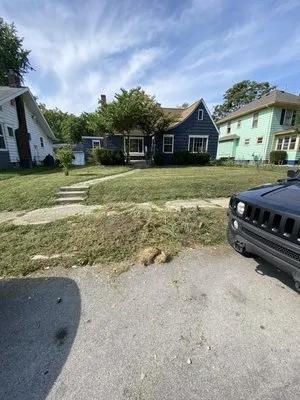
The Four Seasons is a trusted lawn care provider serving Warren Park, IN, dedicated to helping homeowners maintain healthy, vibrant outdoor spaces. We specialize in comprehensive lawn care services de...
Q&A
I'm tired of weekly mowing and gas-powered noise. What are some lower-maintenance, quieter landscape options?
Transitioning high-input turf areas to a native plant community is a forward-thinking solution. Species like Purple Coneflower, Butterfly Milkweed, and Little Bluestem are adapted to Zone 6a conditions, requiring no irrigation once established and minimal seasonal care. This xeriscaping approach drastically reduces the need for mowing and fossil-fueled equipment, aligning with the industry's shift toward low-decibel, electric maintenance fleets. It also provides critical habitat, supporting local biodiversity.
We're adding a patio. Are concrete pavers a better long-term choice than wood decking for our neighborhood?
Concrete pavers offer superior longevity and lower lifetime maintenance compared to wood decking in our climate. They are inert, non-combustible, and unaffected by freeze-thaw cycles when installed with a proper base. While Warren Park has a low Firewise rating due to its urban setting, non-flammable hardscapes like pavers or crushed limestone still contribute to defensible space. Their durability and permeability also make them a more sustainable choice for managing the site's runoff.
My backyard turns into a soggy mess after every rain. What's a lasting solution for Warren Park's clay soil?
Moderate runoff in Warren Park is typically caused by clay-heavy subsoil compaction beneath the silt loam, which creates an impermeable layer. A strategic solution involves creating a shallow, gravel-filled infiltration trench or dry creek bed to intercept and slowly percolate water. For hardscape areas, specifying permeable concrete pavers or an open-graded crushed limestone base significantly increases surface permeability. These designs often meet the Indianapolis Department of Metropolitan Development's updated stormwater runoff standards for residential lots.
A storm just brought down a large limb. How quickly can you respond for an emergency cleanup to meet HOA rules?
Our emergency storm response protocol prioritizes Warren Park Residential District. A crew would stage from Ellenberger Park and take I-70 to minimize surface street delays, targeting a 20-30 minute arrival during peak conditions. We coordinate directly with HOA managers to document the emergency and ensure compliance with debris removal timelines. Our electric-powered chippers and sweepers operate within the local noise ordinance hours, allowing for immediate, compliant work.
We want to regrade our yard to fix pooling water. What permits and contractor qualifications are required?
Regrading a 0.22-acre lot in Warren Park often requires a permit from the Indianapolis Department of Metropolitan Development, as it alters stormwater flow patterns. The work must be performed by a contractor licensed through the Indiana Professional Licensing Agency. Significant earth moving or the installation of subsurface drainage structures falls under this professional licensing requirement to ensure the work adheres to building and erosion control codes, protecting both your property and the municipal infrastructure.
How can I keep my Kentucky Bluegrass lawn healthy in Warren Park without wasting water or violating city guidelines?
Effective irrigation hinges on precision, not volume. A Wi-Fi ET-based weather-sensing controller automatically adjusts runtime by calculating daily evapotranspiration from local weather data. This system applies water only when the turfgrass blend genuinely needs it, often reducing usage by 20-30% compared to standard timers. It adheres to municipal conservation practices by preventing overwatering, which is the primary cause of runoff and fungal disease in our silt loam soils.
I see invasive vines choking my shrubs. How can I deal with them safely and legally in Indianapolis?
Common invasive species like wintercreeper or bush honeysuckle pose a significant threat in Warren Park. Correct identification is crucial, as treatment timing and method vary. Manual removal is effective for small infestations, while targeted, systemic herbicide applications may be necessary for larger stands. All treatments must use phosphorus-free formulations as required by local ordinance unless a certified soil test demonstrates a specific deficiency. We schedule this work outside of peak pollinator activity periods to minimize ecological impact.
My lawn in Warren Park never seems to thrive, and water just pools on the surface. Is it something about the neighborhood's old lots?
Soils in Warren Park's 1960s-era developments are now over 60 years old and have been heavily compacted by decades of routine maintenance. The original silt loam topsoil has degraded, while the underlying clay-heavy subsoil restricts drainage and root penetration. This common profile leads to poor soil percolation and surface runoff. Restoring health requires core aeration to alleviate compaction and the incorporation of composted organic matter to rebuild soil structure and water-holding capacity.
