Top Landscaping Services in Wabash, IN, 47906 | Compare & Call

There are 60 landscaping companies server in Wabash IN
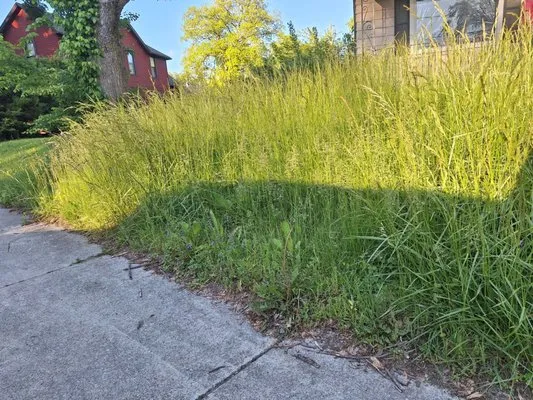
With over 30 years of experience in Fort Wayne, Darick leads All About Tree & Turf Services, providing reliable tree and lawn care solutions. Specializing in everything from artificial turf installati...
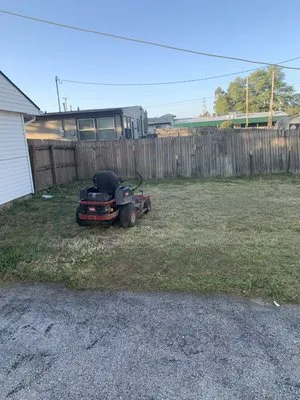
Vlot Outdoor Services, founded and operated by Keith, is a dedicated local business serving Fort Wayne since 2018. Keith brings over seven years of hands-on experience in the green industry, having ho...
Lewis Bros Landscaping & Home Services is a locally owned and operated business serving New Haven, Fort Wayne, and surrounding communities in Indiana. We specialize in providing reliable, affordable l...

Spring Green has been a trusted provider of lawn, pest, and tree services in Fort Wayne for over 45 years. As an industry leader, we take our community responsibility seriously and are proud to help c...
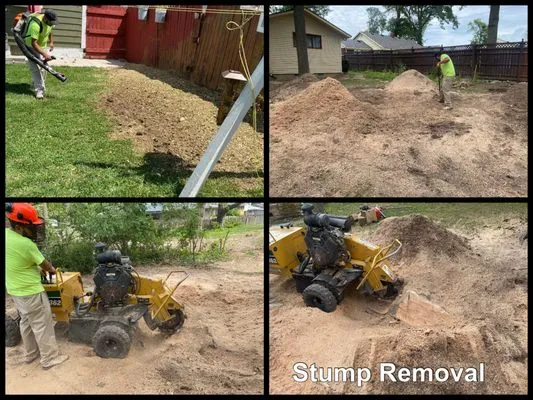
Making The Cut is your trusted local tree and lawn care expert in Fort Wayne, Indiana. We provide comprehensive services to keep your property healthy, beautiful, and safe. From routine lawn care and ...
Johnson Installations is a Warsaw-based company with deep roots in the community, specializing in comprehensive outdoor improvement services. For two decades, owner Bradley Johnson has built his exper...
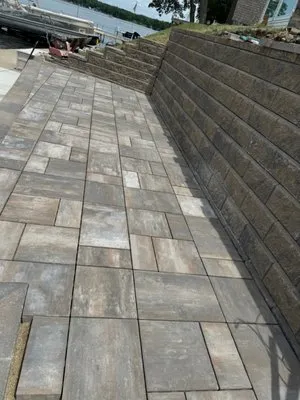
Rico's Landscape & Hardscape
Since 2001, Rico's Landscape & Hardscape has been Warsaw's trusted partner for creating and maintaining beautiful outdoor spaces. Our experienced team of landscapers, masons, and designers focuses on ...
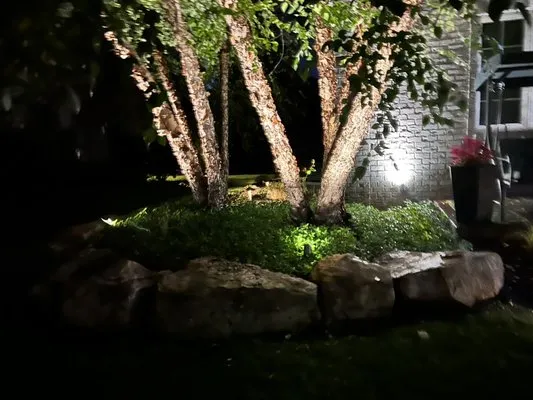
Robinson Landscape Solutions
Robinson Landscape Solutions, owned and operated by Zack Robinson, has been elevating properties across Kimmell and northeast Indiana since 2019. What began as a part-time endeavor has grown into a re...
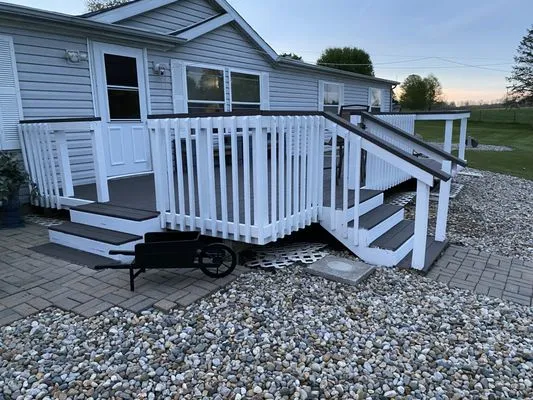
Lake City Handyman Service is a locally owned and operated business in Pierceton, Indiana, dedicated to helping homeowners achieve quality improvements within their budget. We understand the economic ...
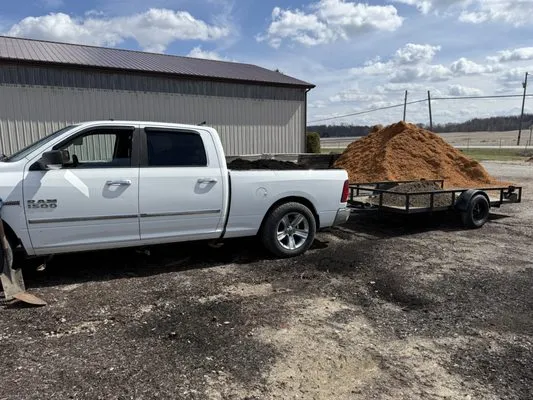
Wolcottville Lawn Care started as a neighborhood initiative in May 2024, founded by two 16-year-olds eager to help with mowing. Quickly realizing the broader needs of our community, we dedicated ourse...
Estimated Landscaping Service Costs in Wabash, IN
Questions and Answers
Do I need a permit to regrade my backyard or install a new patio?
Regrading that alters water flow or installing a permanent hardscape typically requires a review by the Wabash City Planning and Zoning Department. For any significant earthmoving or structural work on a 0.22-acre lot, hire a contractor licensed by the Indiana Professional Licensing Agency. This ensures compliance with state erosion control standards and local codes, protecting you from liability and future property line disputes.
My yard holds water after heavy rains. What's a permanent solution?
Moderate seasonal waterlogging is common here due to flat topography and dense silt loam. Installing a French drain system or dry creek bed can redirect subsurface flow. For new hardscapes, specify permeable clay brick pavers or gap-set concrete to increase infiltration, which often helps projects meet the Wabash City Planning Department's updated stormwater runoff standards for improved site permeability.
How can I keep my lawn green without wasting water or violating city rules?
Wi-Fi ET-based weather-sensing irrigation systems are the standard for water conservation in Wabash. These controllers automatically adjust runtime based on real-time evapotranspiration data, preventing overwatering. This technology maintains Kentucky Bluegrass and Tall Fescue health within municipal limits by delivering precise moisture only when needed, aligning with best practices for our silt loam soil's water retention profile.
Are concrete and brick patios better than wood decks for our climate?
Concrete and clay brick pavers offer superior longevity in Zone 6a, withstanding freeze-thaw cycles without rotting or warping. They provide a permanent, low-maintenance surface that contributes to a property's defensible space, a consideration even in Wabash's low Fire Wise rating urban zones. Their thermal mass also moderates soil temperature fluctuations adjacent to foundations.
Why does the soil in my Downtown Wabash yard feel so dense and compacted?
Homes built around 1955, like many in this area, have soil that has matured for over 70 years. The predominant silt loam compacts naturally under decades of foot traffic and standard maintenance, forming a hardpan layer that restricts root growth and water percolation. Core aeration is essential to relieve this compaction, followed by incorporating compost to improve organic matter and structure, which directly addresses the soil's inherent density.
Is there a lower-maintenance, eco-friendly alternative to my traditional grass lawn?
Transitioning to a native plant palette featuring Purple Coneflower, Butterfly Milkweed, and Little Bluestem significantly reduces water, mowing, and chemical inputs. This xeriscaping approach builds biodiversity and soil health ahead of regulatory trends. It also future-proofs your property against potential gas-powered blower restrictions under the local nuisance ordinance, as these plantings require minimal seasonal cleanup.
What's your fastest response for an emergency cleanup after a major storm?
Our emergency dispatch for HOA compliance or safety hazards routes from the Honeywell Center via US-24. This primary corridor allows a 20-30 minute peak response time to most Downtown Wabash properties. We coordinate with municipal cleanup crews and prioritize electric equipment to comply with local noise ordinances during extended operational windows for rapid debris removal.
What invasive species should I watch for, and how do I manage them safely?
Be alert for Japanese Knotweed and Garlic Mustard, which threaten local ecosystems. Manual removal before seed set is most effective. For chemical treatment, use targeted, EPA-registered herbicides applied by a licensed professional strictly outside of Indiana's BMP fertilizer blackout dates to protect waterways. Always prioritize methods that preserve soil mycorrhizae and non-target native plants.
