Top Landscaping Services in Spencer, IN, 47227 | Compare & Call

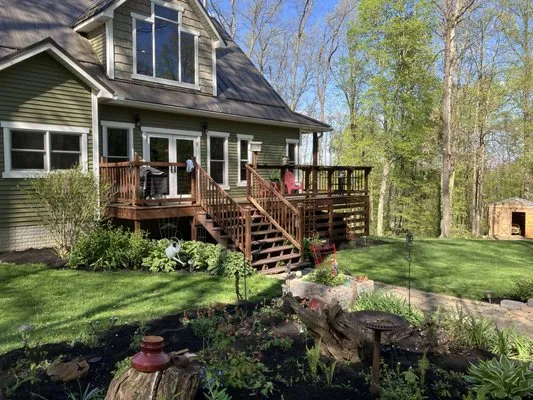
Owen County Mulch is a locally owned and operated mulch manufacturing and supply company serving Spencer, Indiana, and surrounding communities since 2012. We specialize in producing high-quality natur...
All Pro Landscape Design
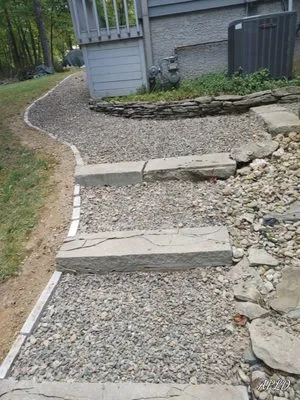
For over 25 years, All Pro Landscape Design has been the trusted local choice for Spencer, IN homeowners and businesses. As a family-owned and operated company, we bring a personal touch and deep comm...

Pro Edge Turf
Pro Edge Turf is a full-service landscaping and irrigation company based in Spencer, Indiana. We specialize in creating and maintaining healthy, beautiful outdoor spaces for local homeowners and busin...
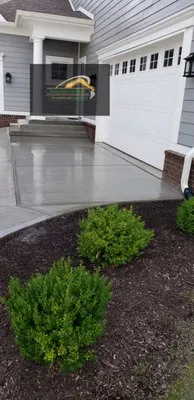
Martins Outdoor Solutions is your trusted local partner in Spencer, Indiana, providing comprehensive excavation, lawn care, and snow removal services. We specialize in addressing common landscaping ch...
Jaden's Lawn Care is a trusted local lawn service provider in Spencer, Indiana, dedicated to helping homeowners maintain healthy, vibrant lawns. We specialize in comprehensive lawn care solutions, inc...
Green Briar Lawn Care is a trusted Spencer, IN, lawn care provider dedicated to creating healthy, resilient lawns for the community. We understand the local challenges homeowners face, particularly wi...

Robinson Lawn Company is a locally owned and operated lawn service provider serving Spencer, Owen County, and Monroe County. We specialize in reliable lawn care, including mowing, spring and fall clea...
C&J Lawncare is a trusted local lawn service provider in Spencer, Indiana, dedicated to helping homeowners maintain beautiful, healthy outdoor spaces. We specialize in comprehensive lawn care solution...
Diamond Clean is a trusted local service provider in Spencer, Indiana, specializing in lawn care, gutter services, and pressure washing. Many homes in the Spencer area face common landscaping challeng...
FAQs
We want to regrade our 0.25-acre lot. What permits and contractor qualifications should we look for?
Regrading that alters water flow or involves significant cut/fill typically requires a permit from the Owen County Building Department. For a project of this scale, it is crucial to hire a contractor licensed through the Indiana Professional Licensing Agency. This ensures they carry the required insurance and understand state sediment runoff controls. A licensed professional will also correctly assess the drainage patterns across your property to prevent creating issues for neighboring lots, which is a key legal consideration.
Is Indiana Limestone a good choice for a new patio compared to composite or wood?
Indiana Limestone is a superior, durable choice for our climate. Its density and mineral composition make it far more resilient to freeze-thaw cycles and foot traffic than wood, which requires constant sealing and replacement. For creating defensible space in this Moderate Firewise USA community, stone is a non-combustible material. When dry-laid with permeable joints, it also manages stormwater runoff effectively. Its longevity and low maintenance offer a better lifecycle value than synthetic composites.
How can we keep our Tall Fescue healthy without wasting water, especially since there are no official restrictions?
Voluntary conservation is best achieved with precision. A Wi-Fi ET-based irrigation system uses local weather data to apply only the water lost to evapotranspiration, preventing overwatering. This technology is critical for Tall Fescue, which requires deep, infrequent watering to develop drought-resistant roots. Programming the system for early morning cycles minimizes evaporation and aligns with the natural hydrological cycle of our silt loam soils, keeping you well within responsible water use guidelines.
Our yard has pooling water and muddy areas each spring. What's a long-term solution?
Seasonal clay saturation in silt loam creates moderate runoff issues. The solution involves improving permeability at the source. For new patios or walkways, specify permeable installation methods for Indiana Limestone, which allows water to infiltrate rather than shed. For landscaped areas, regrading to create subtle swales and installing French drains filled with clean gravel can redirect water. These measures help manage runoff to meet Owen County Building Department standards for on-site water management.
We need an emergency tree cleanup after a storm to meet HOA requirements. How quickly can a crew arrive?
For urgent compliance or safety issues, our dispatch from the Owen County Courthouse area prioritizes your zone. Taking IN-46 provides the most direct route to Downtown Spencer neighborhoods, with a target arrival window of 20-30 minutes during peak response times. We coordinate this with municipal authorities to ensure our electric maintenance equipment operates within the standard noise ordinance hours of 8:00 AM to 9:00 PM.
Our lot in Downtown Spencer has dense, slow-draining soil. Is this normal for the area, and how can we improve it?
This is a common profile for homes built around 1951, resulting in 75-year-old soils. Decades of foot traffic and conventional care have compacted the native silt loam, reducing its permeability. Core aeration is essential to break up this pan and allow for oxygen and water movement. Following aeration, incorporate 1-2 inches of compost to rebuild organic matter, which will naturally buffer the pH toward its optimal 6.2-6.8 range and support microbial life.
We've spotted invasive vines and weeds. How do we treat them without harming the environment or breaking any rules?
First, identify the species; common threats here include wintercreeper and garlic mustard. Manual removal is most effective for small infestations. For targeted chemical control, use a selective, systemic herbicide applied directly to the foliage, strictly avoiding any overspray onto impervious surfaces like driveways to comply with state fertilizer and chemical ordinances. Time applications for early fall when native plants are dormant but invasives are still active, and always follow the product label for rate and timing.
We're tired of weekly mowing and gas blower noise. Are there quieter, lower-maintenance options?
Absolutely. Transitioning high-maintenance turf to a native plant community is a forward-thinking solution. Species like Purple Coneflower, Butterfly Milkweed, Little Bluestem, and Wild Bergamot are adapted to Zone 6b and require no mowing, minimal watering once established, and no leaf blowing. This shift preempts tighter noise ordinances on gas equipment and supports 2026 biodiversity goals. The resulting landscape provides year-round visual interest and critical habitat with a fraction of the input.
