Top Landscaping Services in Smithfield, IN, 46705 | Compare & Call
There are 148 landscaping companies server in Smithfield IN
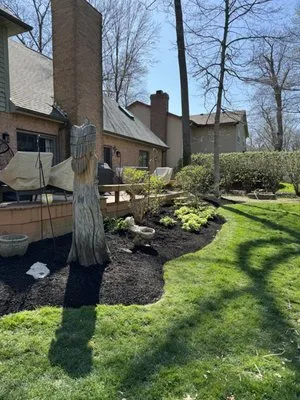
Arnold's Landscaping And Excavating is a Muncie-based company providing comprehensive landscaping and excavation services for residential and commercial properties. We specialize in earthmoving, regra...

Limitless Outdoor Services brings two decades of professional lawn and landscape expertise to Bloomington. Our team is built on a foundation of reliability and a sharp eye for detail, ensuring every p...

JB & Sons Lawn Care is a fully insured, family-operated lawn service based in Seymour, IN, dedicated to keeping local lawns healthy and well-maintained. We provide reliable mowing, trimming, and edgin...
J Lopez Garage Door & Handyman Services
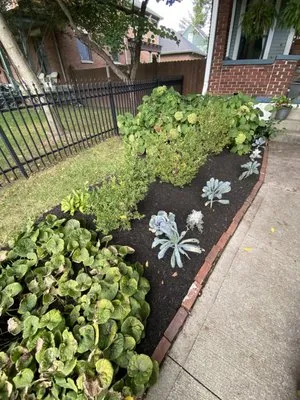
J Lopez Garage Door & Handyman Services has been a trusted provider in Fishers, IN, for over two decades, offering reliable solutions for garage doors, handyman tasks, and landscaping. With extensive ...
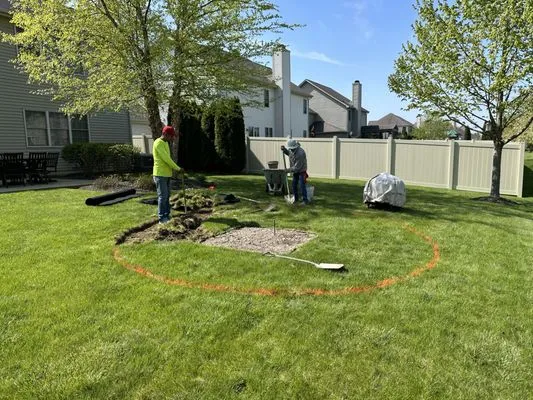
A Classic Cut Lawn & Landscape is a locally-owned and operated lawn care and landscaping company serving McCordsville, IN, and surrounding Hamilton County communities since 2012. Founded by Trisha, a ...
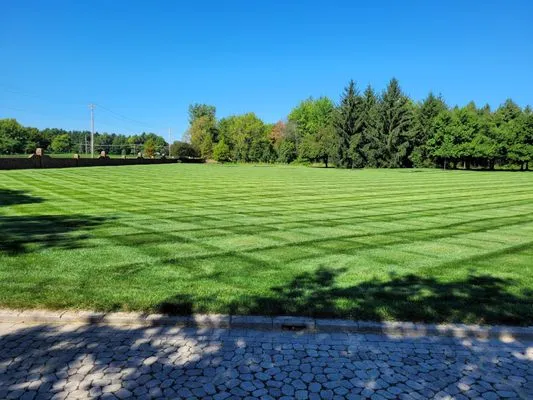
Makenzies Lawn Care is a dedicated lawn service provider based in Spencerville, Indiana, focusing exclusively on fertilization, weed control, and related treatments without offering mowing or landscap...
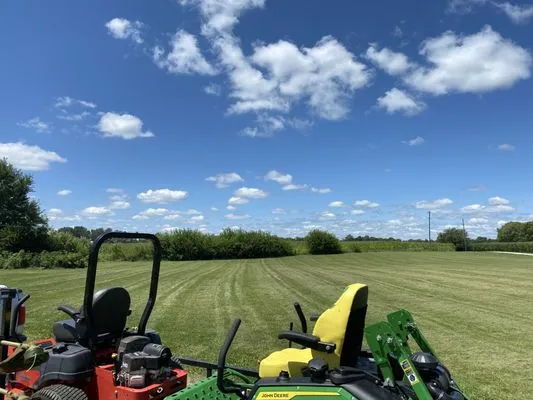
Sawyer’s Lawncare is a locally owned and operated lawn service business based right here in Fountain City, Wayne County, Indiana. We focus on delivering quality lawn care at reasonable prices, with cu...
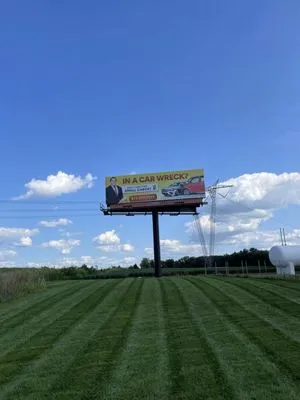
Adkins Lawn Care is a dedicated, reliable, and locally-owned service provider in Shelbyville, IN, passionate about keeping clients' properties looking great year-round. We specialize in comprehensive ...
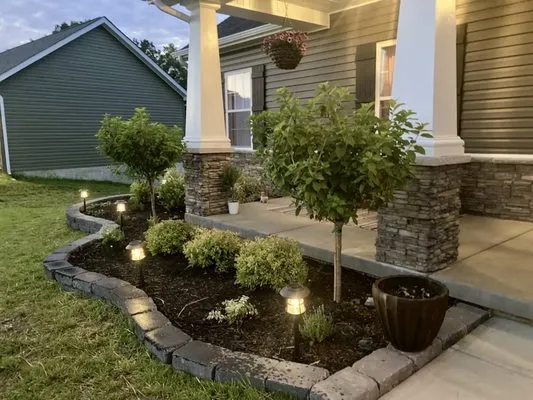
Mr. Mow-It-All is your local, veteran-owned landscaping service in Muncie, IN. Founded by Cody Skinner, a lifelong Muncie resident with over 20 years of lawn care experience, we bring deep community r...
Chandler's Excavating is your Middletown, IN neighbor for solving tough landscaping challenges. Many local homeowners struggle with overgrown shrubs taking over their yards and persistent moss that ch...
Estimated Landscaping Service Costs in Smithfield, IN
Question Answers
Are permeable concrete pavers better than wood decking for longevity and fire safety in Smithfield?
Permeable concrete pavers offer superior longevity (40+ year lifespan versus wood's 15-25 years) and enhanced fire safety in Smithfield's Low Urban Interface Fire Wise rating zones. Unlike combustible wood materials, concrete pavers create defensible space by eliminating flammable surfaces immediately adjacent to structures. Their permeability also reduces stormwater runoff that could compromise emergency access during fire events. While initial installation costs may exceed wood, lifecycle costs are significantly lower due to minimal maintenance and replacement needs. This combination of durability and safety makes permeable hardscapes the responsible choice for residential landscapes.
What licensing requirements apply to regrading my 0.25-acre property in Smithfield?
Grading work on 0.25-acre lots in Smithfield requires Indiana Professional Licensing Agency certification for landscape contractors performing earth movement exceeding 100 cubic yards. The Smithfield Department of Planning and Zoning mandates permits for any grading altering existing drainage patterns or modifying more than 500 square feet of surface area. Licensed professionals must demonstrate competency in erosion control, soil stabilization, and compliance with municipal runoff management standards. Unlicensed grading risks significant fines and may void property insurance coverage for subsequent drainage issues. Always verify contractor credentials through both state and local regulatory bodies before commencing earthwork projects.
How quickly can you respond to an emergency tree cleanup after a storm when my HOA requires immediate compliance?
Emergency storm response from the Smithfield Public Library dispatch point via US-27 typically requires 20-30 minutes during peak conditions, accounting for debris clearance and traffic patterns. Our electric maintenance fleet operates within Smithfield's noise ordinance decibel limits, allowing earlier morning and later evening response windows than gas-powered equipment. We prioritize HOA compliance situations with documented timelines, coordinating directly with property managers to meet cleanup deadlines. This routing efficiency ensures prompt attention to safety hazards while maintaining neighborhood aesthetic standards.
What low-maintenance native alternatives can replace my high-water turf to reduce gas blower usage?
Transitioning to native plant communities featuring Purple Coneflower, Little Bluestem, Butterfly Milkweed, and Wild Bergamot eliminates approximately 75% of traditional maintenance requirements. These deep-rooted perennials establish self-sustaining ecosystems that require no fertilization, minimal watering once established, and seasonal rather than weekly attention. This approach aligns with evolving noise ordinances restricting commercial gas-blowers while supporting 2026 biodiversity standards. Native plantings also provide critical habitat for pollinators and reduce carbon emissions from maintenance equipment through decreased operational frequency.
Why does my lawn in the Smithfield Historic District have such compacted soil that won't absorb water properly?
Smithfield's Historic District homes average 48 years of age since their 1978 construction, creating mature soil profiles with significant compaction from decades of foot traffic and maintenance equipment. The prevalent silt loam soil (pH 6.5-6.8) naturally compacts over time, reducing permeability and oxygen availability to grass roots. Core aeration every 1-2 years is essential to break up soil density, followed by top-dressing with organic compost to improve soil structure. This addresses the fundamental issue of reduced percolation in established neighborhoods where soil hasn't been mechanically disturbed for decades.
What's the best solution for seasonal ponding in my low-lying yard with silt loam soil?
Seasonal ponding in Smithfield's silt loam soils indicates inadequate permeability, requiring integrated drainage solutions. Permeable concrete pavers installed with proper base materials can achieve 80-90% runoff reduction while meeting Department of Planning and Zoning standards. These pavers allow water infiltration directly through joints filled with permeable aggregate, reducing surface water accumulation. For severe cases, French drains or dry wells connected to permeable hardscape areas provide additional subsurface drainage capacity. This approach addresses both immediate ponding issues and long-term soil saturation problems common in moderate runoff zones.
How can I maintain Kentucky Bluegrass and Tall Fescue during Smithfield's Stage 1 water restrictions without losing turf quality?
Wi-Fi ET-based weather sensing irrigation systems automatically adjust watering schedules according to real-time evapotranspiration data, typically reducing water usage by 20-30% while preserving turf health. These systems calculate precise moisture needs for Kentucky Bluegrass and Tall Fescue based on temperature, humidity, wind, and solar radiation measurements. During voluntary conservation periods, programming deeper, less frequent watering cycles encourages deeper root growth and drought tolerance. This technology-based approach maintains municipal compliance while optimizing turf performance through scientific moisture management.
How should I treat invasive species like Japanese knotweed without violating Smithfield's phosphorus-free fertilizer requirements?
Invasive species management requires targeted approaches that avoid broad-spectrum herbicides which can violate local fertilizer ordinances. For persistent invaders like Japanese knotweed, mechanical removal combined with spot-treatment using glyphosate formulations labeled for invasive species control provides effective control. Timing applications during active growth phases (typically late spring through early fall) maximizes effectiveness while minimizing environmental impact. Always verify treatment products contain no phosphorus additives, as Smithfield mandates phosphorus-free formulations for established lawns. Documenting treatment areas and methods helps demonstrate compliance during property inspections.
