Top Landscaping Services in Shelburn, IN, 47879 | Compare & Call
There are 31 landscaping companies server in Shelburn IN

Complete Outdoor Services Of Indiana
Complete Outdoor Services Of Indiana is a family-owned business in Indianapolis dedicated to enhancing your outdoor living spaces. We specialize in masonry, concrete work, and comprehensive lawn care,...

Bub's Lawn Care LLC is a locally owned and operated lawn service company serving Clinton, IN, and the surrounding areas. We specialize in comprehensive lawn care solutions, including mowing, weeding, ...

Wheeler Lawn Service is a Terre Haute-based lawn care and landscaping company dedicated to helping local homeowners maintain and enhance their outdoor spaces. With a focus on personalized service and ...
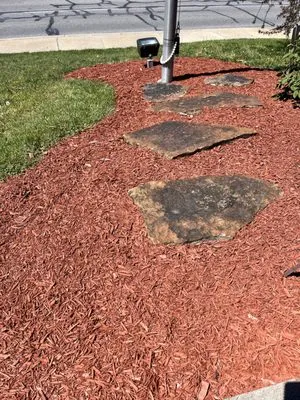
Elite Property Services is a locally owned and operated landscaping, snow removal, and tree services company serving West Terre Haute, IN, and the surrounding areas. Founded in the spring of 2020, we ...

Just Right Lawns is a trusted lawn service provider serving Brazil, Indiana, dedicated to helping homeowners achieve and maintain healthy, vibrant outdoor spaces. We specialize in comprehensive lawn c...
At A And J Yard Professionals, we treat every yard in Terre Haute as if it were our own. We bring a dedicated, detail-oriented approach to professional lawn and tree care, backed by a 100% satisfactio...
S & T Mowing Services LLC is a Terre Haute-based lawn care provider dedicated to enhancing local properties through high-quality, environmentally conscious services. Our mission centers on using susta...
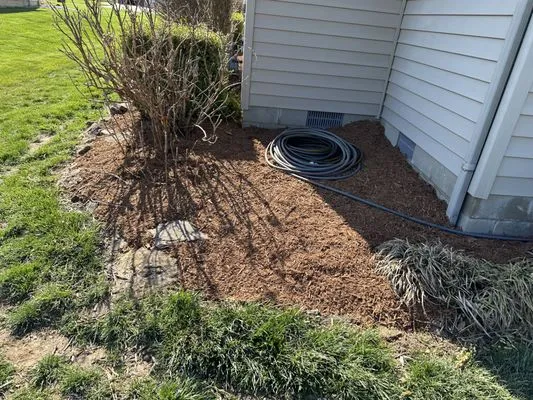
Boss Pros Lawncare is a Terre Haute-based lawn service provider dedicated to maintaining healthy, beautiful yards in the Wabash Valley. We specialize in comprehensive lawn care solutions, including mo...

Outdoor Obsessions is a North Terre Haute-based lawn and gutter service provider dedicated to helping local homeowners maintain their outdoor spaces efficiently. We specialize in gutter cleaning and c...
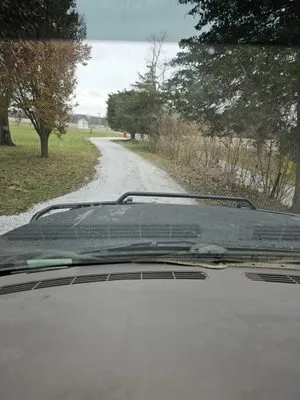
Wassmer's property maintenance
Wassmer's Property Maintenance in Rockville, IN, is a local, full-service operation specializing in junk removal, excavation, and landscaping. We handle everything from appliance and furniture disposa...
Estimated Landscaping Service Costs in Shelburn, IN
FAQs
What are the real benefits of switching from grass to native plants?
Transitioning high-maintenance Tall Fescue turf to a planting of Purple Coneflower, Butterfly Milkweed, Little Bluestem, and Wild Bergamot creates a low-input, high-biodiversity landscape. These deep-rooted natives require no fertilizer, minimal watering once established, and provide critical habitat. This shift significantly reduces mowing frequency and eliminates gas-powered leaf blower use, aligning with evolving noise ordinances and reducing your carbon footprint while supporting local pollinators.
Why does regrading my yard or building a large patio require a permit and a licensed contractor?
Altering the grade on a 0.25-acre lot can significantly impact stormwater runoff onto neighboring properties and public infrastructure, requiring review by the Sullivan County Area Planning Commission. Furthermore, the Indiana Professional Licensing Agency mandates that contractors performing such work hold specific licensing, ensuring they carry adequate insurance and understand state building codes. This protects you from liability and ensures the work is performed to structural and environmental standards.
Is it wasteful to run sprinklers when there are no official water restrictions?
Even in Stage 0, efficient water use is paramount for long-term turf health and cost control. Wi-Fi ET-based weather sensing irrigation calculates daily evapotranspiration, applying only the precise amount Tall Fescue needs. This system automatically adjusts for rainfall and humidity, preventing overwatering that exacerbates our area's moderate seasonal ponding. This technology conserves municipal water while maintaining a resilient lawn, keeping you ahead of potential future restrictions.
Why does my soil seem compacted and lifeless compared to newer subdivisions?
Shelburn Residential District homes average nearly 50 years of age. The native silt loam soil, with a pH of 6.2 to 6.8, has experienced decades of compaction from construction, foot traffic, and traditional mowing. This reduces pore space for air, water, and root growth. Annual core aeration in fall, followed by top-dressing with compost, reintroduces organic matter and improves soil structure. This process is critical for revitalizing mature lawns and supporting deeper root systems for drought resilience.
Are concrete pavers a better long-term choice than wood for patios and paths?
For longevity and low maintenance in our climate, concrete pavers and crushed limestone are superior to wood. They resist rot, insect damage, and weathering without requiring annual sealing. Their permeability aids in managing the site's drainage. In terms of Firewise principles for our Low Urban Interface rating, these non-combustible materials also create defensible space, a safety consideration increasingly factored into landscape planning for suburban areas.
My yard holds water for days after a heavy rain. What's the permanent fix?
Moderate ponding is common here due to the high clay subsoil beneath the silt loam, which slows percolation. Solutions begin with regrading to direct surface flow away from foundations. For hardscape areas, specifying permeable concrete pavers or open-graded crushed limestone allows water to infiltrate, meeting Sullivan County Area Planning Commission runoff standards. For severe cases, installing a French drain system with a gravel trench can intercept and redirect subsurface water effectively.
How fast can you respond to a downed tree or storm debris for HOA compliance?
For emergency cleanup in Shelburn, our dispatch from Shelburn Park utilizes US-41 for direct arterial access, ensuring a 20-30 minute arrival during peak hours. Our electric fleet operates quietly within the 7:00 AM to 9:00 PM noise ordinance window for immediate work. We prioritize securing the site, clearing debris from structures and walkways, and providing a full debris removal plan to meet local compliance standards swiftly and without disturbance.
What invasive species should I watch for, and how do I remove them safely?
Be vigilant for invasive species like Japanese knotweed, garlic mustard, and bush honeysuckle, which outcompete natives. Manual removal for young plants is effective; for established perennials, a targeted, systemic herbicide applied directly to the foliage in late summer is often necessary. All applications must avoid drift onto impervious surfaces per the state fertilizer ordinance. For large infestations, consult a licensed professional to ensure proper disposal and prevent regrowth.
