Top Landscaping Services in Scottsburg, IN, 47170 | Compare & Call
There are 63 landscaping companies server in Scottsburg IN

Founded in 2018 and proudly serving Underwood and South Central Indiana, Monubrite Services offers a reliable blend of home and property maintenance. After a brief operational pause, we returned with ...

Wilson Home Services is a trusted, locally-owned company serving North Vernon, Indiana, and the surrounding areas. We provide comprehensive solutions for your property's needs, combining expert lawn c...

Bro's Junk and Lawn Care is a full-service provider for homeowners and businesses in Hanover, Indiana, tackling both property maintenance and responsible waste disposal. We help resolve common local l...

HandyHelp is your trusted local handyman and landscaping service in Madison, IN, offering comprehensive solutions for home maintenance and outdoor care. We specialize in appliance installation, drywal...
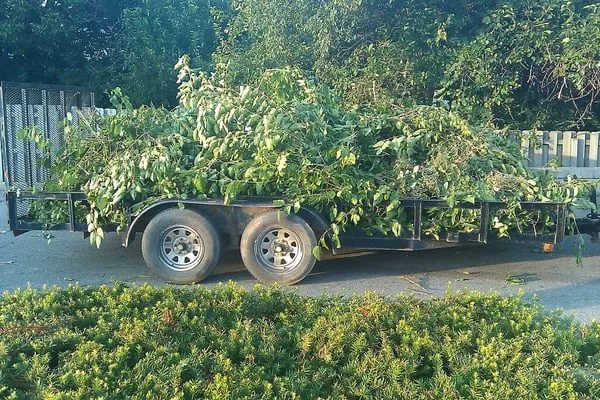
Frey Lawn Care is a locally owned and operated lawn service and property management business proudly serving Ripley and Jefferson Counties from our base in Versailles. Owner Aaron Frey brings over 15 ...
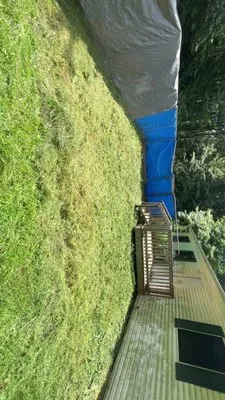
Zach's Lawn Care is a trusted, locally-owned lawn service based in Commiskey, IN, dedicated to keeping your property healthy and well-maintained. We understand the unique challenges homeowners face he...

Fire Family Lawncare is your dedicated Lexington, IN neighbor for a healthy, resilient lawn. We understand the local challenges of bare patches and insect damage that can plague our area's landscapes....
Mosier Lawn Care provides professional lawn services to Crothersville homeowners. We understand the common local challenges, like persistent moss growth and inefficient sprinkler systems, that can det...
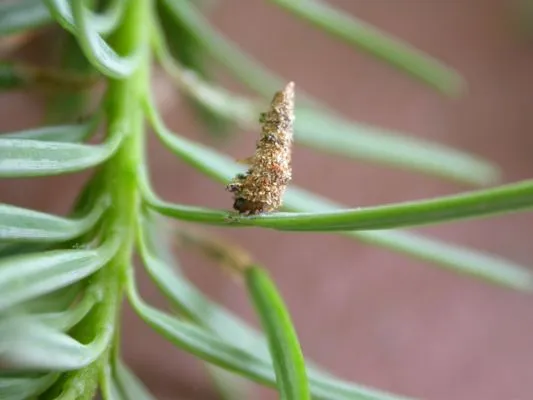
5 Saplings is a licensed tree and shrub care service in Jeffersonville, IN, founded on a deep commitment to plant health. The owner holds a Bachelor's in Environmental Biology and a Master's in Enviro...

Green Farms Lawn Care is a locally-owned and operated business serving Seymour, Indiana, and the surrounding communities. We specialize in providing reliable lawn care and pressure washing services fo...
Estimated Landscaping Service Costs in Scottsburg, IN
Frequently Asked Questions
I want to reduce mowing and chemical use. What are my options for a more natural landscape?
Transitioning turf areas to a native plant community is the most ecologically sound approach. Species like Purple Coneflower, Butterfly Milkweed, and Little Bluestem are adapted to Zone 6b and require no irrigation or fertilizer once established. This xeriscaping reduces weekly mowing, eliminates gas-blower noise, and provides superior habitat, aligning with evolving 2026 biodiversity and quiet community standards.
My lawn in the Scottsburg Historic District feels compacted and weak. What's the underlying issue with soil that's been here since the houses were built?
Homes built around 1982 on quarter-acre lots have a soil history of over 40 years. In Scottsburg's silt loam, this leads to significant compaction from decades of foot traffic and maintenance, reducing permeability and oxygen for roots. The soil's natural pH of 6.5-7.0 is suitable, but the structure degrades without intervention. Core aeration and adding composted organic matter are critical to rebuild soil tilth and support healthy turf.
How quickly can you respond for an emergency tree cleanup after a storm to meet HOA compliance deadlines?
Our electric fleet, compliant with local noise ordinances, can dispatch from the Scottsburg Square area. Using I-65, we target a 20-30 minute peak response time to the Historic District. This allows for immediate debris assessment and rapid removal to clear hazards and meet compliance windows, minimizing property damage and safety risks from fallen limbs.
Water pools in my backyard every spring. What's a lasting solution for this seasonal runoff?
Silt loam's moderate permeability, combined with a seasonal high water table, causes this common Scottsburg issue. Installing a French drain system to redirect subsurface water is often necessary. For patios or walkways, using permeable Indiana Limestone pavers increases ground infiltration. Both solutions manage runoff effectively and typically meet the Scottsburg Planning and Zoning Department's stormwater standards.
Are Indiana Limestone patios a better long-term choice than wood decks?
Indiana Limestone is a superior durable material with a lifespan measured in decades, unlike wood which requires constant sealing and replacement. Its non-combustible nature contributes to defensible space, relevant even in Scottsburg's low Fire Wise rating zone. Limestone's thermal mass also moderates patio temperature, and its local sourcing reduces the project's environmental footprint compared to imported composite materials.
What invasive species should I watch for, and how do I control them responsibly?
In this region, watch for invasive plants like Japanese knotweed or garlic mustard that outcompete natives. Manual removal for small infestations is best. For larger issues, targeted, professional herbicide application must follow label directions and avoid any state-prohibited nutrient runoff. Timing treatments outside of heavy rain forecasts is crucial to protect local waterways and comply with all fertilizer ordinances.
What permits and qualifications are needed to regrade my yard for better drainage?
Regrading a 0.25-acre lot often requires a permit from the Scottsburg Planning and Zoning Department to ensure altered runoff doesn't affect neighboring properties. The work should be performed by a contractor licensed through the Indiana Professional Licensing Agency. This ensures they carry the proper insurance and adhere to state standards for excavation and erosion control, protecting you from liability and subpar work.
How can I keep my Kentucky Bluegrass lawn green during summer without violating water restrictions?
Smart Wi-Fi soil moisture sensors are the most effective tool. They schedule irrigation based on actual evapotranspiration (ET) and soil conditions, not a fixed timer. This system applies water only when the root zone needs it, preventing overwatering and aligning with municipal water conservation goals. It preserves turf health within Stage 0 limits by eliminating guesswork and waste.
