Top Landscaping Services in Scott, IN, 47618 | Compare & Call

There are 96 landscaping companies server in Scott IN
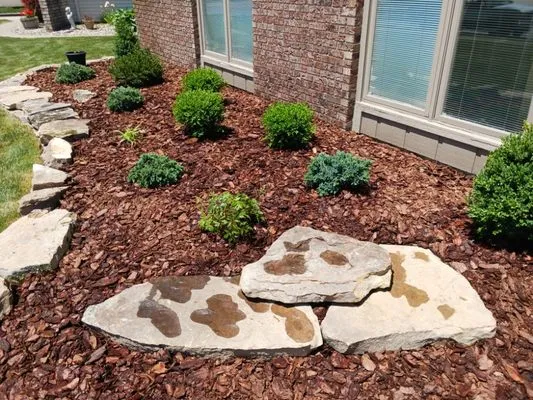
Longardner Landscaping is a family-owned and operated business in Fort Wayne, founded in February 2023 by a husband and wife team. With over 20 years of experience that began when the owner started la...
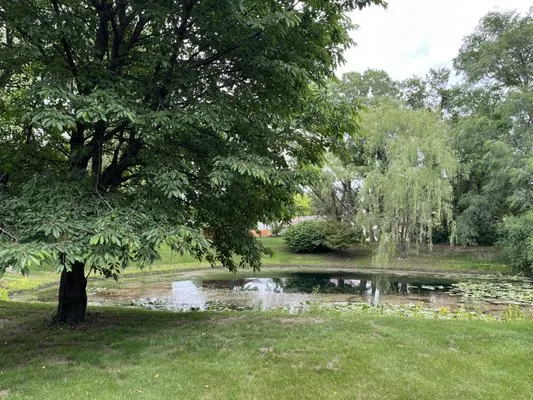
LawnsPlus Landscaping is a Fort Wayne, IN institution founded by owner Jamie Jones in 1995. What began with a single walk-behind mower has grown into a full-service company with a dedicated fleet and ...

Vision Scapes Lawn & Landscape has been serving Fort Wayne, Indiana, since 1994, providing reliable and comprehensive landscaping solutions. As a full-service company, we specialize in landscape desig...
Bruce Ewing Landscaping has been a trusted name in Fort Wayne, IN, since 1956, providing comprehensive landscaping solutions for both residential and commercial properties across Northeast Indiana. As...
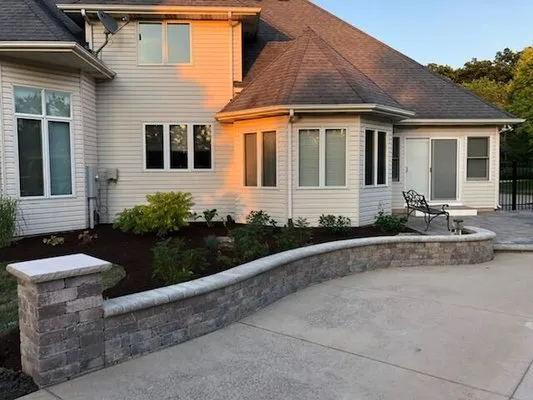
Rowan Landscape & Design
Rowan Landscape & Design is a Fort Wayne-based landscaping company dedicated to transforming local outdoor spaces. We specialize in comprehensive landscape design and construction, from custom patios ...
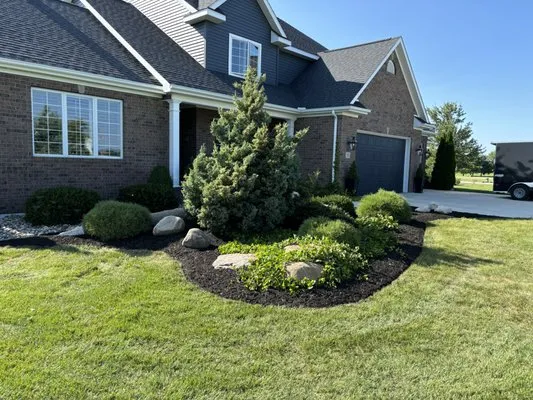
Vose & Sons Landscaping
Vose & Sons Landscaping is a family-owned business in Columbia City, IN, founded with a deep passion for transforming outdoor spaces. With over 15 years of landscaping experience, we specialize in com...

Snapshot Landscaping is your trusted, locally-owned lawn care and snow removal expert in Fort Wayne, Indiana. We understand the specific challenges Fort Wayne homeowners face, like poor lawn grading t...
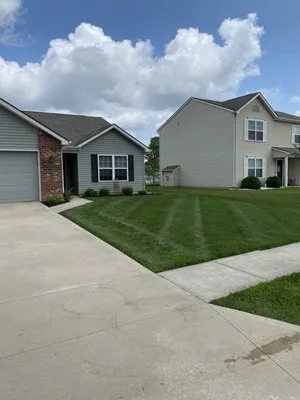
Precision Cuts Landmaintenace is a Fort Wayne-based lawn care company dedicated to meticulous maintenance for local homes and businesses. Founded in 2018, we are a fully insured, locally operated smal...
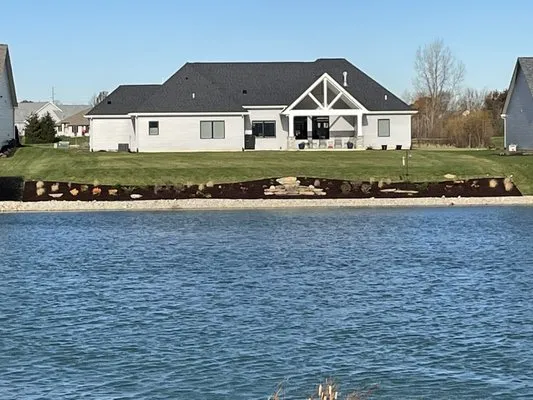
Hoot Landscape & Design
Hoot Landscape & Design has been a trusted design and build partner for homeowners in Fort Wayne and northeast Indiana for over 43 years. Based on the north side of Fort Wayne, we specialize in creati...
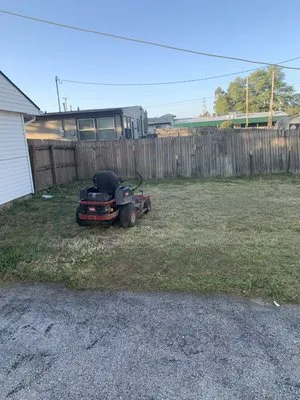
Vlot Outdoor Services, founded and operated by Keith, is a dedicated local business serving Fort Wayne since 2018. Keith brings over seven years of hands-on experience in the green industry, having ho...
Estimated Landscaping Service Costs in Scott, IN
Questions and Answers
How should I handle invasive species without violating fertilizer regulations?
Targeted manual removal or approved herbicide applications during appropriate seasons address invasive species without triggering phosphorus application restrictions. Indiana's phosphorus regulation prohibits application on non-deficient soils, so soil testing determines appropriate treatment methods. Timing interventions outside blackout dates ensures compliance while effectively managing invasive plant populations through integrated pest management strategies.
What permits and licenses are needed for grading work on my 0.35-acre lot?
Grading work on a 0.35-acre lot requires permits from the Scott County Area Plan Commission and contractors licensed through the Indiana Professional Licensing Agency. Professional licensing ensures proper erosion control and compliance with local grading ordinances. Significant earth movement on this property size triggers regulatory oversight to prevent runoff issues and protect adjacent properties from drainage impacts.
What's the best solution for seasonal ponding in my silty clay loam yard?
Seasonal ponding in silty clay loam requires improving soil permeability through French drains or dry creek beds that redirect water flow. Using crushed limestone for hardscape areas increases surface permeability compared to solid materials. These solutions help meet Scott County Area Plan Commission runoff standards by enhancing water infiltration and reducing surface water accumulation during heavy rains.
Is crushed limestone or wood better for patio materials in Scott?
Crushed limestone offers superior longevity and permeability compared to wood, which decomposes in Scott's climate. This material supports Firewise Community standards by creating defensible space without combustible organic matter. For moderate fire risk zones, crushed limestone provides durable surfacing that withstands freeze-thaw cycles while maintaining proper drainage characteristics essential for silty clay loam soils.
How quickly can you respond to an emergency tree cleanup after a storm in Scott?
Our peak storm response time is 45-60 minutes from dispatch. We route from Scott Town Square via IN-56 to reach Scott Downtown properties efficiently. This timing accounts for traffic conditions while ensuring rapid debris removal for safety and HOA compliance. Our electric maintenance fleet operates quietly within standard noise ordinances during these emergency responses.
Why does my Scott Downtown yard have such compacted soil that won't drain properly?
Scott Downtown properties built around 1938 have soil that has matured for approximately 88 years, developing a dense silty clay loam structure common in this neighborhood. This soil type naturally compacts over decades, reducing permeability and creating drainage challenges. Core aeration with organic amendments like compost is essential to improve soil structure and water infiltration. Without intervention, this compaction limits root growth and exacerbates seasonal ponding issues.
How can I maintain my Tall Fescue lawn during dry periods without violating water restrictions?
Wi-Fi ET-based weather sensing irrigation systems calculate evapotranspiration rates to apply only the water your Tall Fescue actually needs. This technology adjusts schedules based on real-time weather data, preventing overwatering while maintaining turf health. Even with voluntary conservation measures in Scott, these systems keep irrigation within municipal water limits by matching application to plant requirements precisely.
What low-maintenance landscaping options work well in Scott's climate?
Replacing high-maintenance turf with native plants like Purple Coneflower, Butterfly Milkweed, Little Bluestem, and Wild Bergamot reduces water needs and maintenance frequency. These species are adapted to USDA Zone 6a conditions and require minimal intervention once established. This approach stays ahead of potential gas-blower restrictions under noise ordinances while supporting local biodiversity standards.
