Top Landscaping Services in Schererville, IN, 46307 | Compare & Call
There are 118 landscaping companies server in Schererville IN
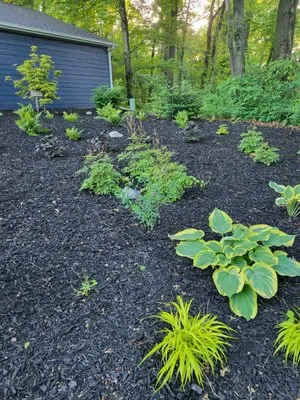
D&L Landscaping LLC is a licensed landscaping and hardscaping contractor serving La Porte, Valparaiso, and surrounding areas since 2019. We specialize in comprehensive lawn care, shrub maintenance, an...
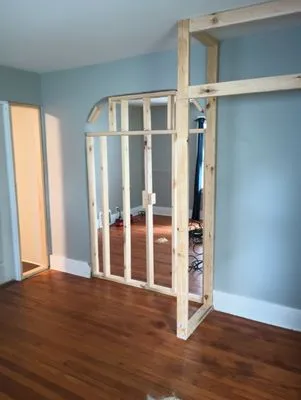
LJC Renovations is your trusted, full-service home improvement partner in Walkerton, IN. We specialize in roofing, painting, and lawn care to protect and enhance your property. We understand the local...

T & J Landscape Services
T & J Landscape Services has been a trusted landscaping partner in Cedar Lake, IN, and surrounding Northwest Indiana communities since 1990. As a fully licensed and insured company, we provide compreh...

Clark Landscape Solutions is a locally owned and operated landscaping company serving Kouts, IN, and the surrounding Northwest Indiana counties. We specialize in comprehensive landscape design, instal...

BriteView is a locally and family-owned landscaping company in Merrillville, Indiana, led by a young entrepreneur with over 13 years of experience. As a dedicated father and small business owner, he f...
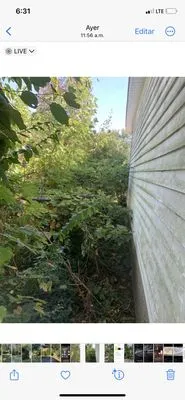
AVIV Landscaping is a family-run lawn care company serving homeowners in Gary, IN, and Northwest Indiana. We focus on dependable, personalized service to maintain healthy and attractive outdoor spaces...
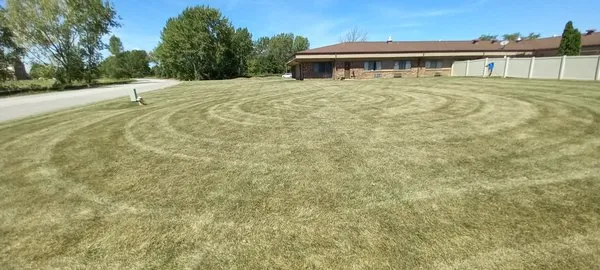
Rose Landscaping & Maintenance
Rose Landscaping & Maintenance is a trusted local business in Hobart, IN, offering comprehensive lawn services, patio coverings, and junk removal. We specialize in addressing common landscaping challe...
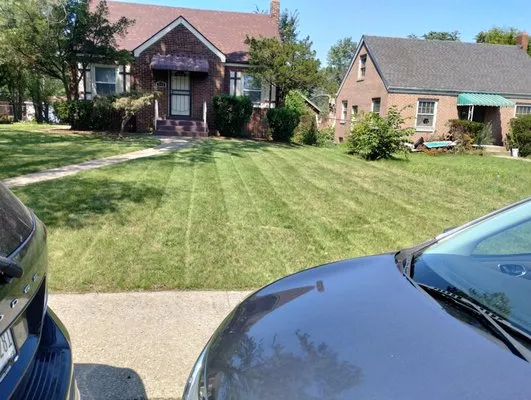
Founded by a dedicated father, EJ And Son's Lawncare is a family-operated lawn service in Gary, IN, built on the principles of honesty, reliability, and community support. We started with a simple goa...

RAL Landscaping & Garden Center
Since 1977, R.A.L. Landscaping & Garden Center has been a trusted resource for Crown Point and the greater Northwest Indiana area, providing a complete landscape experience. We combine expert full-ser...
Devin's Handyman Services is your trusted local home improvement partner in Hobart, IN. With over a decade of hands-on experience, we specialize in making your projects hassle-free, from simple repair...
Estimated Landscaping Service Costs in Schererville, IN
Q&A
Do I need a permit to re-grade my backyard to fix a drainage problem?
Significant regrading that alters water flow or involves substantial earth moving on a 0.25-acre lot typically requires review by the Schererville Planning and Building Department. More critically, this work must be performed by a contractor licensed through the Indiana Professional Licensing Agency. Proper licensing ensures the contractor carries the required insurance and adheres to state standards for excavation and public safety.
Are concrete pavers a better choice than wood for a new patio, considering our Indiana winters?
In Schererville's climate, concrete pavers offer superior longevity and lower maintenance than wood. They are resistant to frost heave, rot, and insect damage. Their modular design allows for flexibility and repairs. While Schererville has a low Fire Wise rating, using non-combustible materials like pavers or crushed limestone contributes to defensible space principles and provides a durable, stable surface year-round.
My yard floods every spring. What's a long-term solution that also looks good?
This is a common issue with Blount-Morley silt loam and the region's high water table. A strategic solution combines subsurface drainage like French drains with permeable hardscaping. Using permeable concrete pavers or crushed limestone for patios and paths allows stormwater to infiltrate locally, reducing runoff. This approach often meets Schererville Planning and Building Department standards for managing on-site water.
Why does my lawn in Pheasant Hills seem to hold water and struggle to grow grass, even after fertilizing?
Homes built around 1988, like many in Pheasant Hills, have soils that have compacted over nearly 40 years of standard maintenance. The prevalent Blount-Morley silt loam has fine particles that naturally reduce permeability. This compaction, combined with a high seasonal water table, creates poor infiltration. Core aeration and incorporating organic compost are essential to improve soil structure and oxygen availability for healthy root systems.
What should I do if I see an invasive plant like garlic mustard or creeping Charlie taking over my garden beds?
Early and persistent manual removal is key for most invasives before they set seed. For persistent issues, targeted, spot-applied herbicides labeled for those species may be necessary. All treatments must use phosphorus-free fertilizers and chemicals as required by Indiana state law. Proper timing is critical; for example, treating broadleaf weeds in fall is often more effective than during spring growth.
With no current water restrictions, is a smart irrigation controller still worth the investment?
Absolutely. A smart, Wi-Fi ET-based controller is a proactive water conservation tool. It uses real-time evapotranspiration data and weather forecasts to apply only the precise amount of water needed by your Kentucky Bluegrass and Tall Fescue blend. This prevents overwatering, which exacerbates our local drainage issues, and builds resilience for potential future restrictions while maintaining turf health.
How quickly can you respond for an emergency cleanup after a major storm?
Our standard emergency dispatch from our base near Redar Park allows for a 20-30 minute arrival to most Schererville addresses during peak conditions. The route via US-30 provides direct access to neighborhoods like Pheasant Hills. We prioritize safety and compliance, ensuring all work adheres to local noise ordinances which restrict operation between 9:00 PM and 7:00 AM.
I'm tired of weekly mowing. What are my low-maintenance, eco-friendly options?
Transitioning sections of lawn to a native plant community is a highly effective strategy. Species like Purple Coneflower, Butterfly Milkweed, Little Bluestem, and Wild Bergamot are adapted to Zone 6a, require minimal water once established, and support local pollinators. This reduces mowing frequency, fuel consumption, and noise—aligning with trends toward electric equipment and stricter community noise ordinances.
