Top Landscaping Services in Salamonie, IN, 46770 | Compare & Call
There are 146 landscaping companies server in Salamonie IN
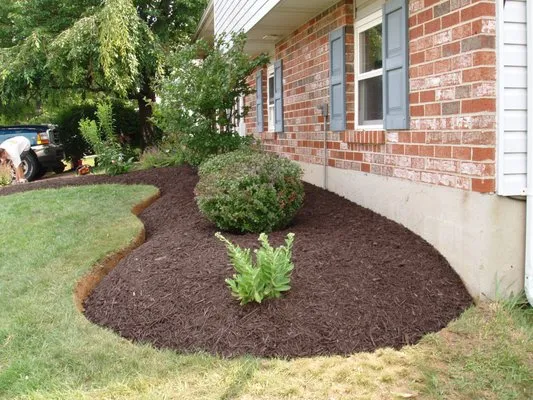
Blitz Outdoors is a trusted lawn care provider serving Indianapolis, IN, specializing in comprehensive lawn services to address common local landscaping challenges. We focus on tackling issues like so...

True American Lawncare is your local, owner-operated lawn service in Gas City. Founder Charlie started mowing lawns at 15 alongside his grandfather, developing a deep respect for the craft and the sat...
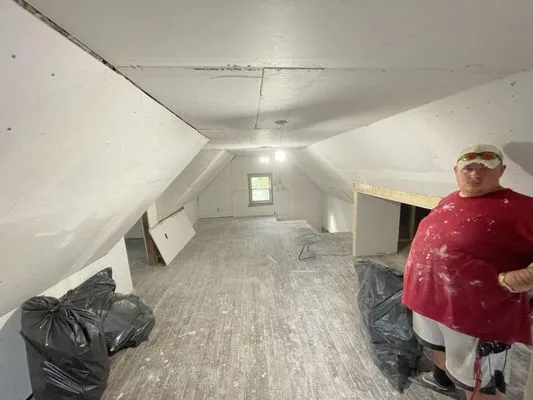
Seal The Deal is a trusted local contractor in Gaston, IN, with 38 years of experience in flooring, drywall, and lawn services. We specialize in drywall installation, repair, patching, finishing, and ...
Grass Grazers Lawn & Landscaping has been serving Daleville, IN, and surrounding communities since 2019, providing reliable lawn care and landscaping services for both residential and commercial prope...

MH Landscaping Services
MH Landscaping Services is a trusted local provider in Muncie, IN, offering comprehensive outdoor solutions including landscape maintenance, lawn care, snow removal, and tree care. We specialize in ad...
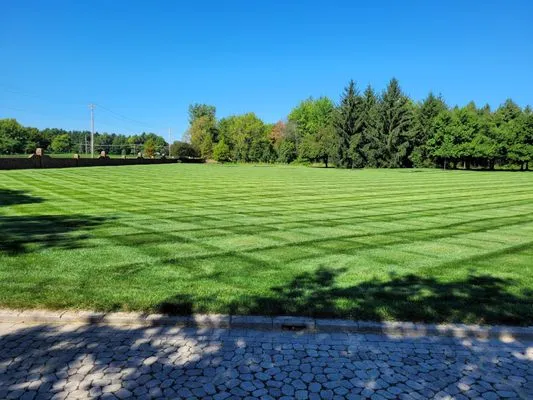
Makenzies Lawn Care is a dedicated lawn service provider based in Spencerville, Indiana, focusing exclusively on fertilization, weed control, and related treatments without offering mowing or landscap...
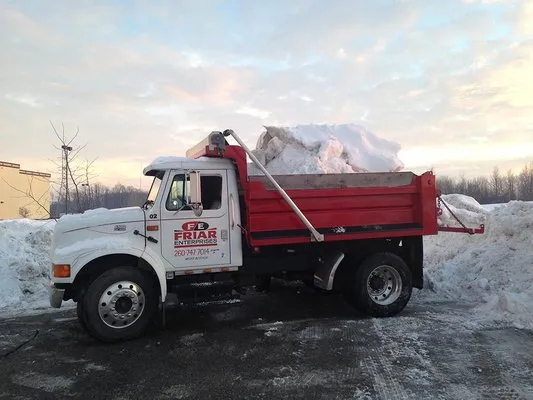
Friar Enterprises is a family-owned and operated landscaping business serving Fort Wayne, IN, and the surrounding area. With a focus on shrub care and comprehensive landscape maintenance, we specializ...
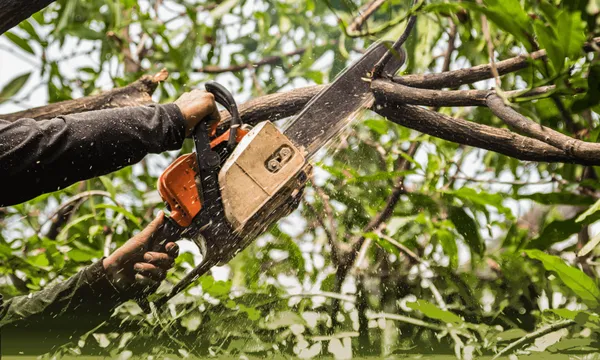
Priority Edge Landscaping is a trusted, local provider of comprehensive lawn and tree services for Roanoke, IN. We understand the specific challenges homeowners face here, such as damaged landscape ed...
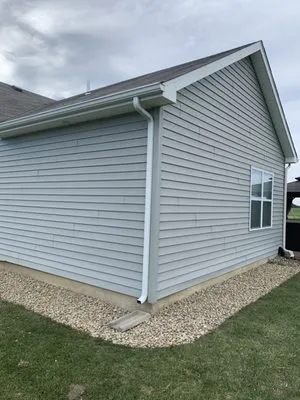
SMZ Landscape is a full-service landscaping company serving Decatur, IN, and the surrounding area. We provide comprehensive solutions for local homeowners, from design and construction to ongoing main...

260 Shine Time is a family-owned and operated business in Fort Wayne, founded by owner Jaylen with a commitment to reliable, honest service. What started as a passion for cars has grown into a versati...
Estimated Landscaping Service Costs in Salamonie, IN
Question Answers
My yard stays soggy for days after rain. What's the solution?
Seasonal high water tables and poor drainage in low-lying areas of Salamonie are common with silt loam soils. The fine particles slow water percolation. Correcting this involves regrading to create positive surface flow away from foundations and installing subsurface French drains. Using permeable crushed limestone for patios or paths, instead of solid concrete, can also increase onsite infiltration and help meet Huntington County runoff management standards.
What permits or licensed professionals are needed for a major backyard regrading project?
Regrading a 0.45-acre lot to address drainage often requires a permit from the Huntington County Department of Community Development, as it alters water flow and can impact adjacent properties. The Indiana Professional Licensing Agency mandates that significant earth moving and drainage work be performed by a licensed landscape architect or a contractor with specific expertise, ensuring the work meets engineering and environmental standards to prevent future erosion or flooding issues.
Can you respond quickly for an emergency tree cleanup to meet an HOA deadline?
For urgent compliance or storm damage, our dispatch from the Salamonie Lake Visitor Center area prioritizes IN-9 for access. We account for local traffic patterns to maintain a 45-60 minute peak response window. All service vehicles operate within the standard noise ordinance hours of 7:00 AM to 9:00 PM, utilizing electric equipment where possible to expedite on-site work without disturbance.
Why does my lawn in Salamonie Reservoir Residential feel compacted and thin?
Homes built in the late 1960s, like the average here, sit on soil that has undergone over 55 years of standard management. Silt loam soils common to this neighborhood are prone to compaction from foot traffic and machinery, reducing pore space for root growth and water infiltration. This compaction limits the soil's ability to support a robust Kentucky Bluegrass and Tall Fescue blend. A core aeration program, combined with top-dressing compost, introduces oxygen and organic matter to rebuild soil structure and improve permeability.
What are the biggest threats to the health of my landscape plants?
Beyond soil compaction, invasive species like Japanese knotweed or bush honeysuckle pose a significant risk, outcompeting natives like Swamp Milkweed and Ohio Spiderwort. Safe treatment requires targeted methods that avoid soil and water contamination, aligning with Indiana's fertilizer ordinance prohibiting discharge into storm drains. This often means manual removal, careful cut-stump herbicide application, or solarization, timed outside of peak growing periods to maximize effectiveness.
How do I keep my lawn green during summer without violating water restrictions?
While Salamonie is currently under Stage 0 water restrictions, proactive conservation is key. Soil moisture sensor-based controllers prevent irrigation by measuring actual root-zone water needs, rather than relying on a timer. This technology directly conserves municipal water by applying only what the specific silt loam soil and turfgrass blend requires, preventing overwatering that exacerbates our area's poor drainage issues.
Is crushed limestone a good choice for my new patio and pathways?
Crushed limestone is a durable, cost-effective choice for Salamonie, offering better drainage than wood mulch or solid pavers. Its light color reflects heat, benefiting plantings adjacent to it. For properties adjacent to wildland areas, its non-combustible nature contributes to defensible space, an important consideration given the area's Moderate Wildland-Urban Interface fire rating. It also avoids the decay and insect issues associated with wood timbers.
Is there a lower-maintenance, eco-friendly alternative to my grass lawn?
Transitioning high-input turf areas to plantings of native species like Purple Coneflower, Little Bluestem, and Wild Bergamot significantly reduces water, fertilizer, and maintenance needs. These deep-rooted perennials build soil health and support local pollinators. This shift also future-proofs your property against evolving noise ordinances that may restrict gas-powered blowers and mowers, as native beds require less frequent cutting and cleanup.
