Top Landscaping Services in Roanoke, IN, 46783 | Compare & Call

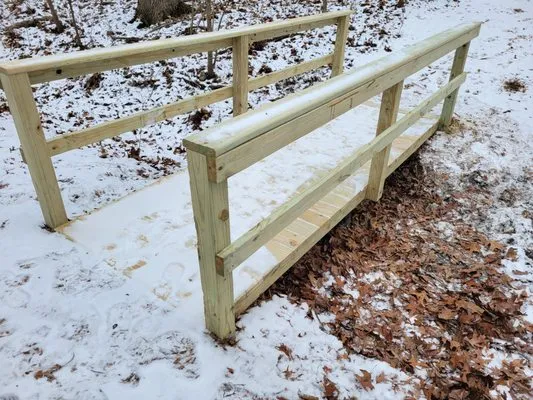
John Didier Landscapes is a trusted, locally-owned landscaping company serving Roanoke, IN, and the surrounding areas. We specialize in fences & gates, tree services, and comprehensive lawn care, prov...
Planscape in Roanoke, IN, is a landscaping company with over 40 years of experience dedicated to transforming outdoor spaces for local homeowners. We specialize in comprehensive design, construction, ...
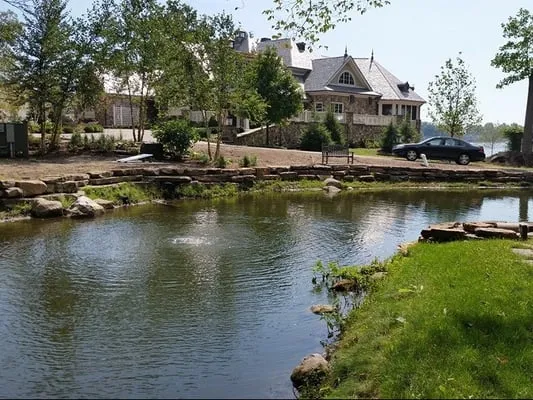
Burley Landscape Design
Burley Landscape Design LLC has been serving Roanoke, IN, and surrounding areas since 1997, offering comprehensive landscape design, installation, and maintenance services. The owner brings over two d...
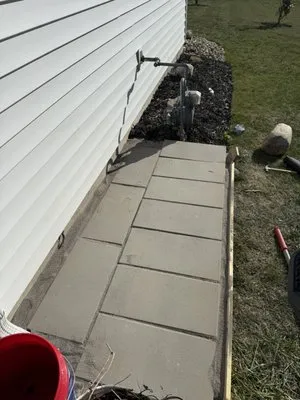
Schenkel Landscaping is a trusted, locally-owned business serving Roanoke, IN, with comprehensive outdoor care solutions. We specialize in snow removal, lawn services, and auto detailing to keep your ...
J & K Clippings is a family-owned lawn care and snow removal business serving Roanoke, IN, founded in 2018. Born from a personal journey, the business started to help cover medical expenses during a c...

Pine Springs Lawn Care is your trusted local lawn care expert in Roanoke, IN, dedicated to creating and maintaining healthy, beautiful lawns. We specialize in addressing the common local challenges of...
Hitzfield Landscaping, a family-owned business serving Roanoke and surrounding areas since 1977, provides comprehensive landscaping solutions for residential and commercial clients. With a full range ...

Atlas Lawn & Snow Solutions provides dependable lawn care and snow removal services to the Roanoke, IN community. We understand the unique needs of local homes, from managing storm debris that can acc...
K & S Lawn Care Service is a trusted local provider in Roanoke, IN, specializing in comprehensive lawn care solutions tailored to the community's needs. We understand that Roanoke homeowners frequentl...
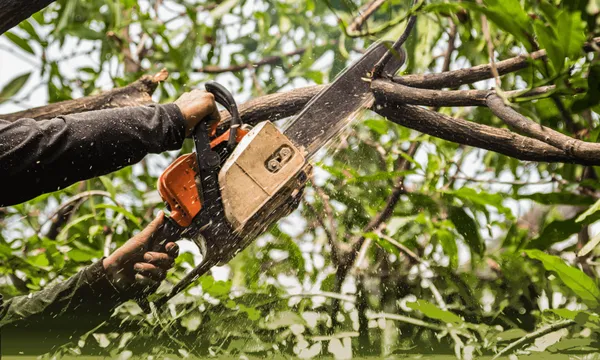
Priority Edge Landscaping is a trusted, local provider of comprehensive lawn and tree services for Roanoke, IN. We understand the specific challenges homeowners face here, such as damaged landscape ed...
FAQs
Why does my lawn struggle despite regular feeding?
Properties built around the neighborhood's 1987 average have soil profiles roughly 39 years in development, meaning the underlying Blount-Pewamo Silt Loam has become compacted from decades of standard maintenance. This silt loam naturally settles into a dense layer, impeding root growth and water percolation. Core aeration in early fall is critical to fracture this pan, followed by top-dressing with compost to build organic matter above the native 6.8-7.2 pH. This process mimics natural soil maturation, creating a healthier rhizosphere for turf and ornamentals.
How quickly can you respond to an emergency like a storm-damaged tree?
For urgent situations requiring HOA compliance or safety mitigation, our dispatch from Roanoke Park via US-24 allows a peak response window of 20-30 minutes to most Historic District locations. This routing avoids central congestion and provides reliable access. We maintain dedicated electric response vehicles for these calls, which operate quietly under the general nuisance ordinance and can begin assessment and debris management immediately upon arrival.
What invasive species should I watch for, and how do I control them?
Aggressive weeds like Japanese Knotweed or Canada Thistle can exploit stressed lawns. Treatment requires a targeted, systemic herbicide applied at the correct growth stage, combined with manual removal. Any fertilizer or amendment must follow Indiana State Chemist Nutrient Management Guidelines, which prohibit phosphorus application unless a soil test confirms a deficiency. This ensures effective control without contributing to nutrient runoff, protecting local watersheds.
What are low-maintenance alternatives to my high-input grass?
Transitioning sunny areas to a palette of Indiana natives like Little Bluestem, Butterfly Milkweed, and Purple Coneflower drastically reduces mowing, watering, and chemical needs. These deep-rooted plants are adapted to local Zone 6a conditions and support 2026 biodiversity goals for pollinators. This shift also aligns with evolving municipal trends toward quieter, electric maintenance, as established native beds require minimal seasonal cleanup compared to constant leaf-blowing of turf.
Are concrete pavers a better long-term choice than wood for a patio?
For longevity and reduced maintenance, concrete pavers are superior. They offer exceptional durability against freeze-thaw cycles in Zone 6a and do not rot, warp, or attract pests. Their non-combustible nature contributes to defensible space, a consideration even in Roanoke's low Fire Wise rating zone. Compared to wood, pavers provide a permanent structure with higher permeability when installed correctly, adding value and function for decades.
Do I need a permit to regrade my yard or install a drainage system?
Yes, significant earthmoving or drainage work on a 0.35-acre lot typically requires a permit from the Huntington County Department of Community Development to ensure compliance with erosion control and stormwater regulations. Furthermore, this type of work must be performed by or under the supervision of a professional licensed by the Indiana Professional Licensing Agency. This ensures proper engineering for the site's hydrology and protects you from liability related to downstream flooding or property damage.
My yard stays soggy long after rain. What's the solution?
This is a classic symptom of the Blount-Pewamo soil's poor subsoil permeability and seasonal high water table. Correcting it requires subsurface strategies like installing a French drain system to intercept groundwater. For new hardscapes, specifying permeable jointing for concrete pavers or using open-graded crushed limestone increases surface infiltration, helping manage runoff to meet Huntington County standards. Integrating a rain garden with native species in the wettest area can also transform a problem zone into a functional asset.
Will a smart irrigation system save water on my Kentucky Bluegrass lawn?
Absolutely. An ET-based smart controller uses local weather data to apply only the water your Tall Fescue blend loses daily through evapotranspiration, preventing overwatering. While Roanoke is in Stage 0 with no restrictions, this technology proactively conserves water by adjusting for rain and humidity, which is vital given the subsoil permeability issues here. This precise delivery maintains turf health deep into summer without taxing municipal supply, future-proofing your landscape against potential drought.
