Top Landscaping Services in Richmond, IN, 47330 | Compare & Call
There are 59 landscaping companies server in Richmond IN
CK Enterprises is your trusted, full-service outdoor care provider serving Richmond, Indiana, and the surrounding Wayne County area. We specialize in comprehensive lawn care and expert tree care servi...
JT Lawns is a trusted Richmond, IN lawn care provider dedicated to helping local homeowners maintain healthy, beautiful outdoor spaces. We understand the common challenges Richmond residents face, suc...
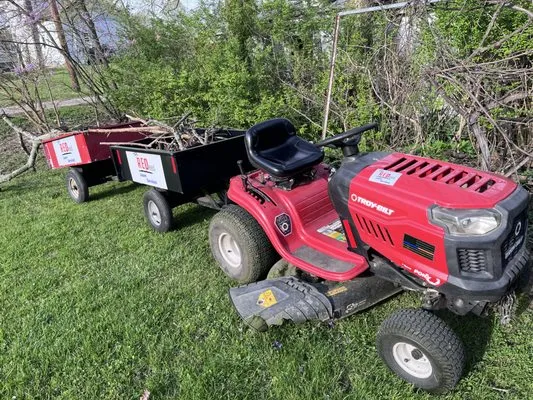
The Red Deed Lawn Services was founded in Dublin, IN, by a local resident inspired by family work on their grandfather's farm. Starting with a 2017 Troy Bilt Pony mower purchased used that same year, ...
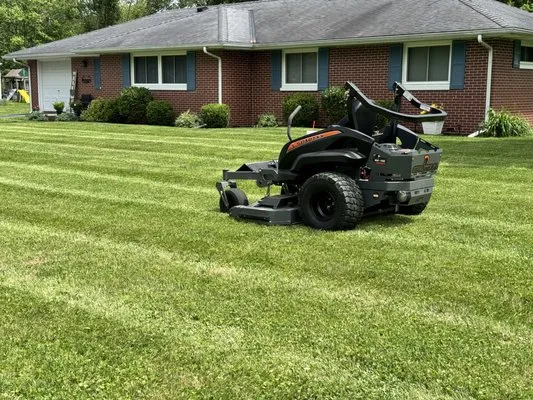
Rough Edges Lawn Care is a Centerville, IN lawn care service built on a commitment to quality, not quantity. Founded in 2024, we intentionally limit the number of clients we serve to ensure each prope...

Motes Home Services is your trusted local expert in Ridgeville, IN, dedicated to keeping your property clean, green, and well-maintained. We provide comprehensive lawn services and junk removal, offer...

Uno Drywall & Painting Services
For over 20 years, Uno Drywall & Painting Services has been a trusted, family-operated contractor serving New Castle and the surrounding region. Founded by Franklin M. Uno, we established our LLC in 2...
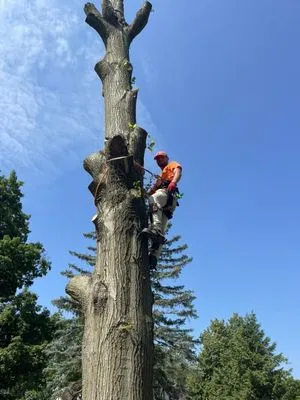
TripleLC is Centerville's trusted partner for comprehensive lawn and tree care. We specialize in tree services, lawn maintenance, and pressure washing, all designed to protect and enhance your propert...

Carrolls Tree Service is a trusted, locally-owned tree care company serving Redkey, IN, and the surrounding communities. We specialize in comprehensive tree services, from planting and pruning to safe...

Taylormade Services is Farmland's trusted partner for dumpster rental, demolition, and comprehensive property cleanup. We help local homeowners reclaim their yards by tackling the common problems of w...
Estimated Landscaping Service Costs in Richmond, IN
Common Questions
How quickly can you respond to storm damage for HOA compliance?
Emergency cleanup crews dispatch from Glen Miller Park via US-27/I-70 to reach Highland Park within 20-30 minutes during peak conditions. This response time accommodates downed limb removal and debris clearing to meet neighborhood association standards. Electric equipment operates within Richmond's 7 AM-9 PM noise ordinance for gas-powered equipment, allowing immediate post-storm work. Crews prioritize safety zones before addressing aesthetic concerns on 0.22-acre lots.
What permits and licenses are needed for regrading my yard?
Regrading 0.22 acres requires Richmond City Planning Department approval for drainage alterations affecting adjacent properties. Indiana Professional Licensing Agency certification ensures contractors understand soil compaction standards and erosion control measures. Professional licensing verifies knowledge of Miamian-Celina soil's 6.5-7.2 pH buffer capacity when importing fill materials. Unlicensed grading risks violating state sediment runoff regulations and voiding property insurance during extreme weather events.
Can I reduce mowing while maintaining property value?
Transitioning 30-50% of turf to Purple Coneflower, Wild Bergamot, Butterfly Milkweed, and Little Bluestem reduces weekly mowing from April-October. These natives establish deep root systems within 2-3 growing seasons, outperforming non-natives during dry periods. Electric maintenance equipment meets evolving noise ordinances while providing quieter operation. Biodiversity increases support pollinators and reduce synthetic inputs, aligning with 2026 landscape sustainability benchmarks for urban interfaces.
What solves seasonal ponding in my low-lying yard?
Moderate runoff in Miamian-Celina Silt Loam requires permeability improvements through Indiana Limestone paver installations with ¼-inch joints filled with polymeric sand. This creates 8-12% surface permeability, meeting Richmond City Planning Department runoff standards. French drains channel water away from foundation areas, while rain gardens in lowest zones utilize native plants' deep root systems. Grade adjustments of 2% slope direct water toward permeable hardscape features rather than turf areas.
How do I treat invasive species without violating fertilizer rules?
Japanese knotweed and garlic mustard require mechanical removal before seed set, typically by early June in USDA Zone 6a. Spot treatments with glyphosate alternatives avoid phosphorus restrictions under Indiana's fertilizer ordinance. Soil testing determines if new seed beds actually require phosphorus amendments versus nitrogen-only formulations. Mycorrhizae inoculants strengthen native plant competitiveness against invaders while maintaining soil health in established Highland Park landscapes.
Why does my Highland Park lawn struggle despite regular watering?
Richmond's Highland Park neighborhood features Miamian-Celina Silt Loam soil with pH 6.5-7.2, which has developed over 88 years since typical 1938 construction. This soil becomes compacted over time, reducing permeability and root penetration. Core aeration every 2-3 years improves soil structure by creating channels for air, water, and nutrients. Adding organic amendments like compost enhances microbial activity and water retention in this established urban soil profile.
Are Indiana Limestone pavers better than wood for patio longevity?
Indiana Limestone offers 50+ year durability versus wood's 10-15 year lifespan with maintenance. Its thermal mass moderates temperature extremes in Richmond's climate, while natural coloration blends with native plantings. For fire-wise considerations in low urban interface ratings, stone provides defensible space without combustible materials within 5 feet of structures. Permeable installation methods manage runoff while creating stable surfaces resistant to frost heave in Zone 6a winters.
Should I install smart irrigation with voluntary water conservation?
Smart Wi-Fi ET-based weather sensing controllers optimize Kentucky Bluegrass and Tall Fescue blends despite Richmond's voluntary conservation status. These systems calculate evapotranspiration rates to deliver precise water volumes, typically reducing usage 20-30% compared to traditional timers. Programming accounts for Miamian-Celina soil's 6.5-7.2 pH water retention characteristics. Municipal water limits remain manageable through soil moisture sensors that prevent overwatering during seasonal ponding periods.
