Top Landscaping Services in Plainfield, IN, 46113 | Compare & Call
There are 184 landscaping companies server in Plainfield IN
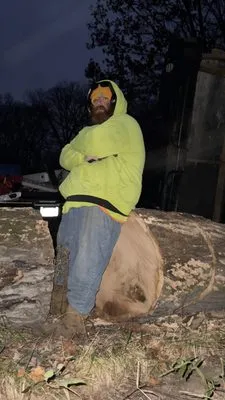
Dead Ash Services in Mooresville, IN, is a locally owned and operated tree care and landscaping business founded on a deep commitment to environmental stewardship. With expertise in everything from tr...
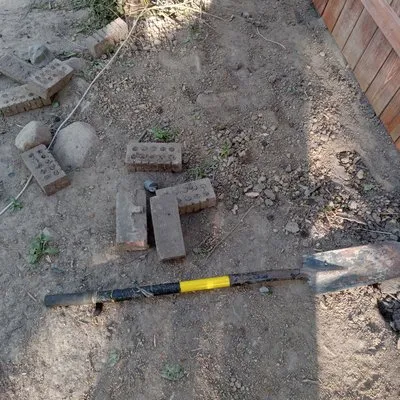
Familyman Construction And Landscaping
At Familyman Construction and Landscaping in Indianapolis, we build our reputation on a simple promise: your satisfaction is our guarantee. As a local, family-operated business, we understand that tru...
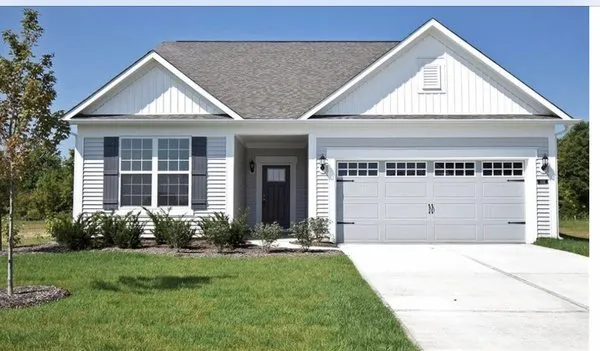
Cutterz Lawn and Landscape
Cutterz Lawn and Landscape is a licensed lawn care and landscaping company serving Indianapolis, IN, and surrounding areas. With expertise in landscaping, snow removal, and masonry/concrete work, they...
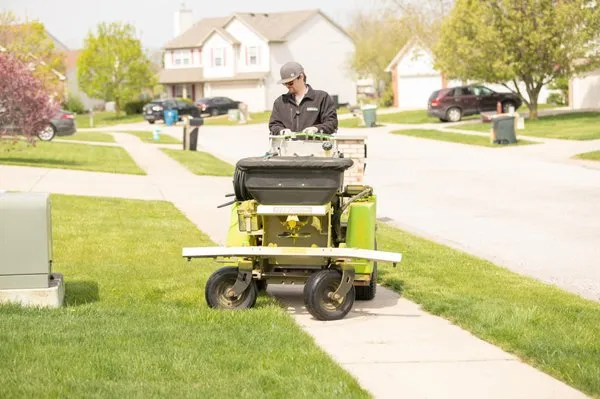
Blue Duck Lawn Care
Blue Duck Lawn Care is a Greenwood-based company dedicated to creating and maintaining healthy, beautiful outdoor spaces for local homes. We combine expert lawn care with targeted pest control, offeri...
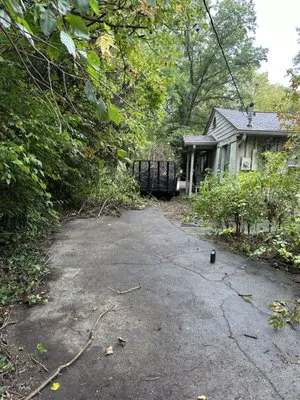
Not A Practice Life in Avon, IN, is your local solution for a cleaner, healthier property. We specialize in junk removal, hauling, lawn care, and tree services, helping residents and businesses manage...
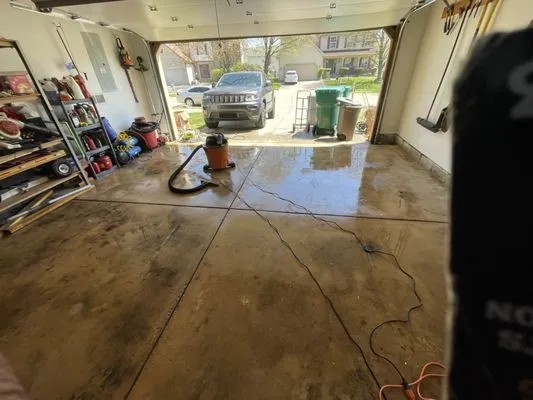
Dycus Detailing LLC in Indianapolis City, IN, is a versatile local business specializing in auto detailing, landscaping, and junk removal services. We help Indianapolis residents maintain their vehicl...

Eco Mow is a locally owned Indianapolis lawn care company founded on a simple, powerful idea: your lawn should be healthy, and maintaining it shouldn't harm the environment. Founder and Indianapolis n...
H & J Lawn Care Service
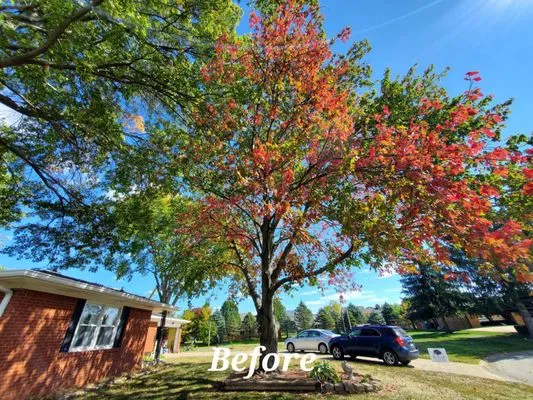
H & J Lawn Care Service is a trusted Indianapolis landscaping company dedicated to creating and maintaining beautiful, healthy outdoor spaces for local homeowners. We specialize in a comprehensive ran...
Munguia’s Tree Services & landscaping
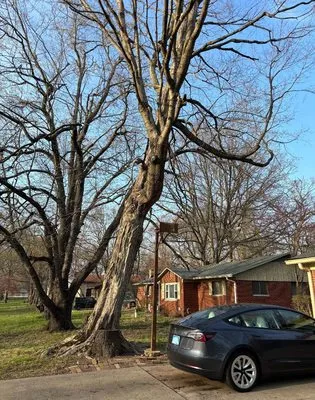
Munguia's Tree Services & Landscaping has been serving Indianapolis for over six years, providing reliable tree services, landscaping, gutter cleaning, and gardening for both residential and commercia...

La Madrina Landscape in Indianapolis, IN, is a landscaping company founded by Robyn, whose dedication earned her the nickname 'La Madrina' – The Godmother – from her crews. Operating as a DBA of Robyn...
Estimated Landscaping Service Costs in Plainfield, IN
Common Questions
I'm tired of weekly mowing. Are there lower-maintenance options?
Transitioning high-input turf areas to a native plant community is a forward-looking strategy. Species like Little Bluestem, Purple Coneflower, and Butterfly Milkweed are adapted to Zone 6a and require no supplemental irrigation or fertilization once established. This shift also pre-adapts your property to evolving municipal codes, such as restrictions on gas-powered blowers during noise ordinance hours, by drastically reducing green waste.
Should I use Indiana Limestone or wood for a new patio?
Indiana Limestone pavers offer superior longevity and require less maintenance than wood, which is susceptible to rot and insect damage. The material's thermal mass also moderates temperature extremes. For properties concerned with fire resilience, the non-combustible stone provides a definitive defensible space, which is a consideration even in Plainfield's current Low Fire Wise rating zone, as climate patterns shift.
My backyard stays soggy long after rain. What's the solution?
Moderate runoff is common on level lots with Plainfield's silt loam soils, which have a seasonal high water table. Installing a French drain system or a dry creek bed with washed river rock can intercept and redirect subsurface flow. For new patios, specifying permeable base installations under Indiana Limestone pavers increases on-site infiltration, often simplifying compliance with the Planning and Zoning Department's runoff management standards.
What are the biggest weed threats here, and how do I handle them safely?
In established lawns, invasive broadleaf weeds like ground ivy and violets are prevalent. Effective control starts with a soil test to guide any nutrient amendments, as Plainfield's phosphorus-free fertilizer ordinance prohibits P application without a documented deficiency. For these weeds, a selective post-emergent herbicide applied in fall, when perennials are translocating nutrients to roots, is most effective and minimizes impact on non-target species.
Do I need a permit to regrade my yard for better drainage?
Significant regrading on a 0.25-acre lot that alters water flow across property lines typically requires a permit from the Plainfield Planning and Zoning Department. This work must be performed by a contractor licensed through the Indiana Professional Licensing Agency, as it involves specialized knowledge of soil mechanics and drainage law. Unpermitted grading can create liability issues and may not be recognized during a property transfer.
My lawn in Friendswood seems thin and compacted. Is this a soil issue?
Homes built around 1997, like many in Friendswood, sit on 30-year-old soil profiles. Original construction-grade silt loam often lacks mature organic structure, leading to compaction and reduced permeability. Core aeration in early fall is critical to break up that pan and improve water infiltration. Incorporating a compost top-dressing post-aeration will build the stable humus necessary for long-term Tall Fescue health.
A storm damaged trees and left debris everywhere. How fast can a crew get here?
For emergency cleanup, crews dispatch from our central hub near Hummel Park. The route east via I-70 to the Friendswood area typically requires 20-30 minutes during peak response windows. We coordinate with municipal stormwater teams to prioritize blocked drains or hazardous limbs. All post-storm work adheres to the Plainfield noise ordinance, with electric equipment used for early morning starts.
How do I keep my Tall Fescue green during summer without wasting water?
Wi-Fi ET-based irrigation controllers are the standard for efficiency in Plainfield. These systems adjust watering schedules daily based on local evapotranspiration data, applying water only when the turfgrass root zone requires it. This method often reduces water use by 20-30% compared to traditional timers, aligning with voluntary conservation goals. Deep, infrequent watering cycles encourage deeper root growth, making the lawn more drought-resilient.
