Top Landscaping Services in Ogden Dunes, IN, 46368 | Compare & Call

There are 84 landscaping companies server in Ogden Dunes IN
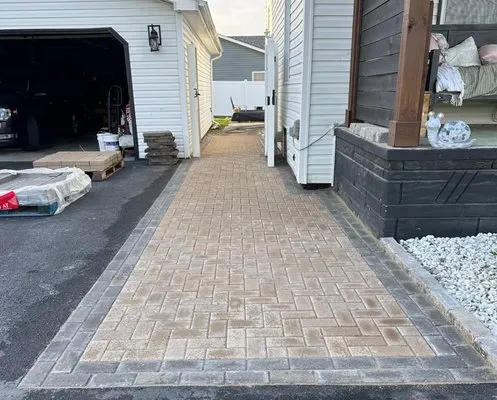
ALM Landscaping is a locally owned and operated landscaping company in East Chicago, IN, founded by a young entrepreneur who brings hands-on experience from years in the field. Starting the business a...
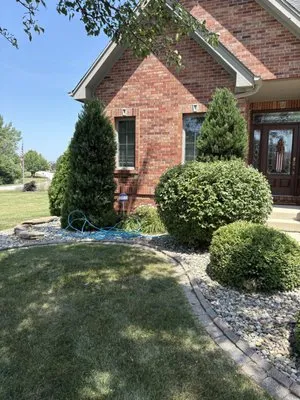
Boosted Landscaping is a locally owned and operated company serving Highland, IN, and the greater NWI/Chicagoland area. Founded in 2025, we are dedicated to transforming outdoor spaces with a focus on...
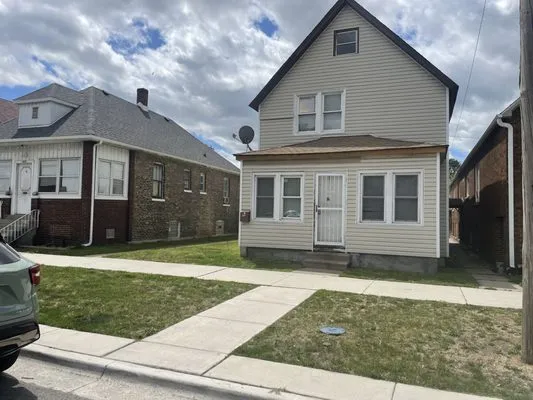
James Mccain Landscaping/Snowplowing
James McCain Landscaping/Snowplowing is your trusted, year-round outdoor service provider in Hammond, IN. We help homeowners maintain beautiful and functional properties by directly addressing common ...
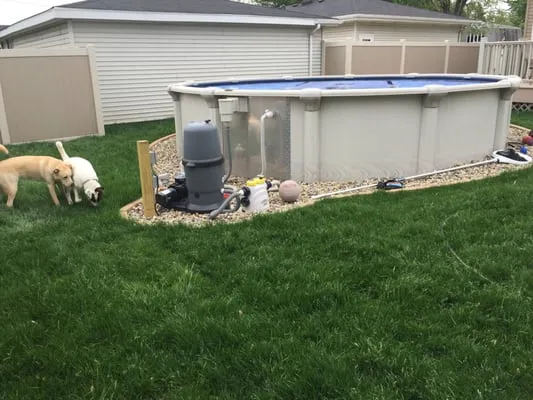
Angotti Landscaping is a complete landscaping service based in Highland, IN, serving residential and commercial clients throughout Northwest Indiana. We specialize in comprehensive shrub care, includi...
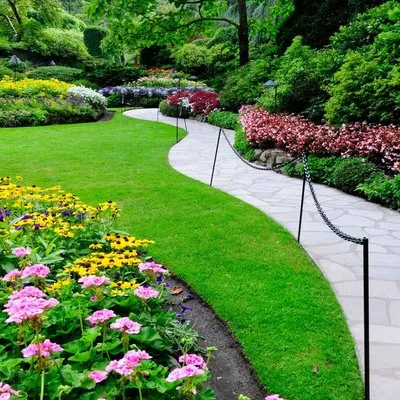
Meier's Landscaping & Lawn Service
Meier's Landscaping & Lawn Service has been providing professional landscaping solutions to Hammond, Northwest Indiana, and the South Suburbs of Chicago for over 25 years. As a licensed company and me...

Tito's Lawncare is a dedicated, locally-owned service in Whiting, IN, focused on keeping your yard healthy and well-maintained. We understand the common challenges Whiting homeowners face, particularl...
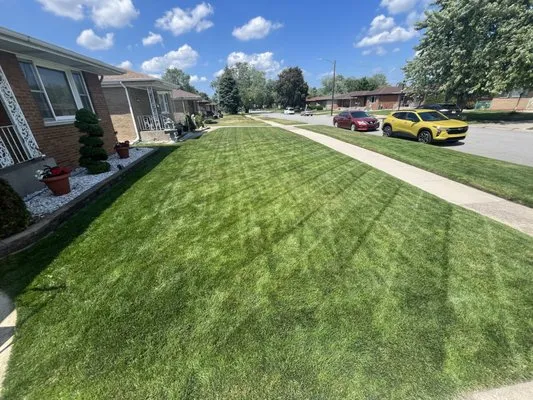
EC Lawncare is a locally-owned landscaping business in Hammond, IN, dedicated to transforming and maintaining your outdoor spaces. We specialize in comprehensive lawn care and landscape maintenance, b...
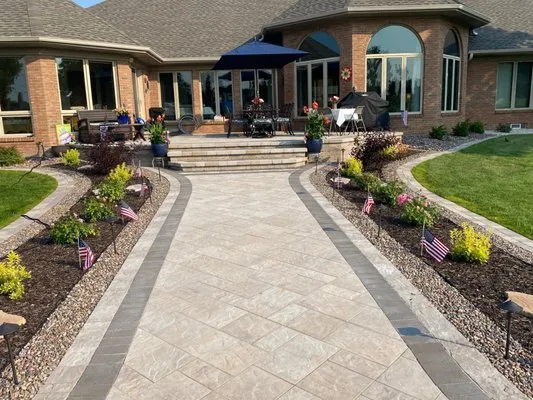
Dean's Lawn & Landscaping Inc. is a trusted, family-owned business with over 30 years of experience serving the Schererville community and the greater Chicagoland area. Founded on a commitment to qual...
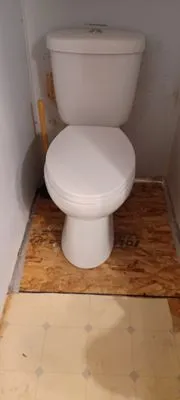
Affordable Home Repair Heroes is your trusted, local partner in Valparaiso, IN, for comprehensive home repair and maintenance. We specialize in mobile home repair, plumbing inspections, and landscapin...
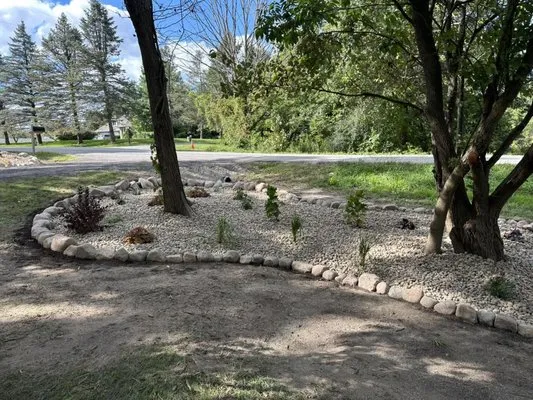
J & L Outdoor Services is a locally owned and operated landscaping business proudly serving Ogden Dunes, Portage, and the surrounding Northwest Indiana region since 2017. We provide reliable, year-rou...
Estimated Landscaping Service Costs in Ogden Dunes, IN
Q&A
I've spotted what looks like Japanese Knotweed. How do we deal with invasive plants here without using harsh chemicals?
Early identification is key. For a pervasive perennial like Japanese Knotweed, a targeted, professional-grade herbicide application is often the only effective control, but it must be applied by a licensed professional. Indiana state law requires the use of phosphorus-free fertilizers and pesticides, and any treatment must follow strict label guidelines to protect the dune ecosystem near Lake Michigan. We schedule such applications outside of peak pollinator activity and never during bloom times for natives like Wild Bergamot.
Our patio area floods during heavy rain, washing sand away. What's a permanent solution that the town will approve?
This is a classic dune sand erosion issue due to high infiltration and surface runoff. Replacing impervious surfaces with permeable concrete pavers is the recommended solution. This system allows water to infiltrate directly into the subsoil, reducing runoff volume and velocity that causes washouts. The Ogden Dunes Building Department encourages such installations to manage stormwater on-site. A base of compacted open-graded aggregate beneath the pavers ensures proper storage and percolation, stabilizing the surrounding soil.
I'm tired of weekly mowing and gas blower noise. Is there a quieter, lower-maintenance alternative to grass?
Absolutely. Transitioning areas to a native plant community using species like Little Bluestem, Butterfly Milkweed, and Prairie Dropseed eliminates weekly mowing and drastically reduces blowing needs. These deep-rooted perennials stabilize sandy soils, require no fertilizer, and are adapted to our Zone 6a climate. This approach future-proofs your landscape against tightening noise ordinances targeting gas-powered equipment and supports local biodiversity far beyond a traditional turfgrass monoculture.
With Stage 1 water conservation in effect, how can I keep my lawn green without wasting water?
Voluntary conservation in Stage 1 is best managed with technology. Installing a smart Wi-Fi soil moisture sensor controller is the most effective strategy. These systems bypass pre-set schedules and irrigate only when the root zone of your Fine Fescue blend is dry, based on real-time evapotranspiration (ET) data. This method can reduce water use by 20-40% compared to traditional timers, keeping your turf healthy while adhering to municipal water limits and preparing for potential stricter future measures.
Our yard never seems to hold water. Is this just how sandy soil in Ogden Dunes behaves, or is there a deeper problem?
Homes in the Ogden Dunes Residential Core, built around 1963, have sandy loam soils that are now over 60 years old. This age means the soil profile is mature but often compacted from decades of foot traffic and traditional maintenance, reducing its natural permeability. While the soil drains quickly, its ability to retain moisture and nutrients for turfgrass is poor. Core aeration and incorporating 2-3 inches of compost are critical to rebuild soil organic matter and improve water-holding capacity for your Kentucky Bluegrass blend.
A storm just knocked down a large limb. How quickly can a licensed crew get here for an emergency cleanup to meet HOA rules?
For urgent storm response, a crew can typically dispatch from the Ogden Dunes Town Hall area within the hour. Taking US-12, peak travel time to most residences in the core is 20-30 minutes. We prioritize safety and compliance, using electric-chainsaws and chippers that meet the local 8 AM to 8 PM noise ordinance with required mufflers. This allows for immediate debris management and mitigation of any hazards to public right-of-ways.
We need to regrade our backyard for drainage. What permits and contractor qualifications are required for a 0.35-acre lot?
Any significant grading that alters water flow or involves moving more than a few cubic yards of soil typically requires a permit from the Ogden Dunes Building Department. For a 0.35-acre lot, this work must be performed by a contractor licensed through the Indiana Professional Licensing Agency. Hiring a licensed professional ensures the work meets local codes, prevents unintended runoff onto neighboring properties, and that the contractor carries the necessary insurance. Always verify license status before signing a contract for earthwork.
We want a new patio but are worried about maintenance and fire risk. Are permeable pavers or natural stone better than wood?
For longevity and fire resilience, natural fieldstone or permeable concrete pavers are superior to wood. In Ogden Dunes' Moderate Fire Wise rating (WUI Interface Zone), non-combustible materials are advised for defensible space within 30 feet of structures. Stone and concrete require zero sealing or staining, withstand freeze-thaw cycles in Zone 6a, and do not rot or attract pests. Their permeability also contributes to better site drainage, addressing a common local hazard while providing a permanent, low-maintenance surface.
