Top Landscaping Services in Notre Dame, IN, 46556 | Compare & Call
There are 124 landscaping companies server in Notre Dame IN

Stevens Property Services
Stevens Property Services is a family-owned and operated business serving South Bend, IN since 2000. Founded by two brothers who are passionate about creating and maintaining beautiful outdoor spaces,...
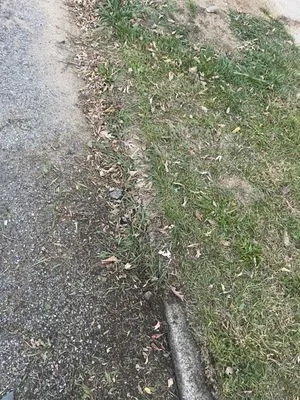
365 Lawn Pros, established in 2022, is a locally-owned lawn care service dedicated to South Bend residents and businesses. We believe in treating every yard as if it were our own, focusing on consiste...
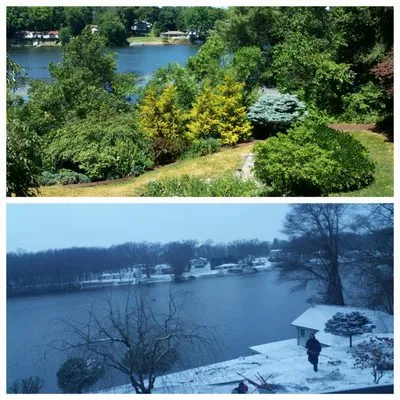
Mow Hoe 'N Blow
Mow Hoe 'N Blow is a trusted, locally-owned and operated service in Mishawaka, Indiana, dedicated to enhancing your property year-round. With a combined 27 years of hands-on experience, the team offer...
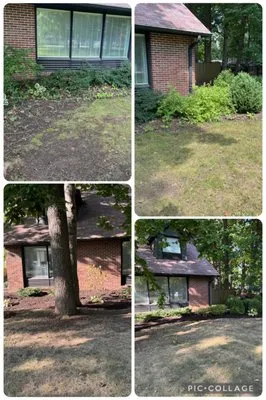
Legacy Landscaping & Outdoor Services
Legacy Landscaping & Outdoor Services has been a trusted name in Mishawaka for creating beautiful, functional outdoor spaces. We specialize in comprehensive lawn care, tree services, and landscape des...

Since 1997, Lawn Medic Inc has been a trusted lawn care provider serving South Bend and the surrounding communities. Our team of friendly, experienced professionals is dedicated to helping local homeo...
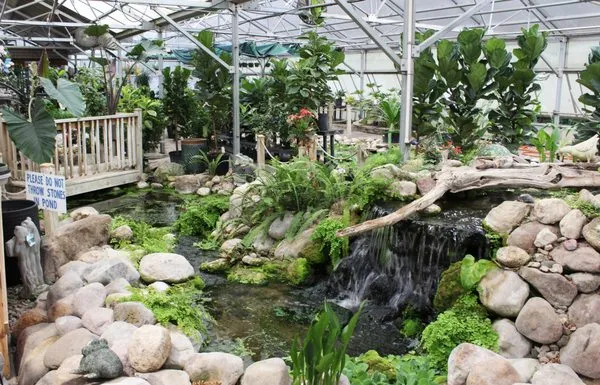
Ginger Valley
Ginger Valley is a trusted garden center and landscaping business serving Granger, IN, and the broader Michiana community for over 40 years. Located in Granger, this family-owned operation spans 10 ac...

Heirloom Property Services
Heirloom Property Services is a South Bend-based cleaning and lawn care company founded on the belief that a clean environment creates comfort and safety. We specialize in transforming homes and offic...
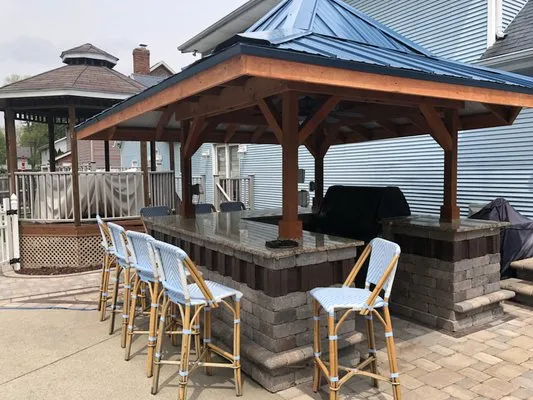
New Generation Landscaping and Lawn
New Generation Landscaping and Lawn is a locally owned and operated business serving South Bend, IN, and the surrounding Northwest Indiana and Southwest Michigan areas. With over fourteen years of exp...
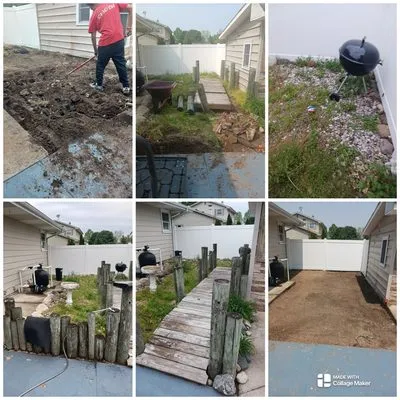
Rucker's Lawn Care is a trusted lawn service provider in South Bend, IN, specializing in comprehensive lawn care solutions. We understand the common local challenges of lawn insect damage and dead law...
Bob's Lawn & Landscape Maintenance is your trusted, local Elkhart partner for a healthy, vibrant yard. We understand the specific challenges homeowners face in our area, from frustrating irrigation ti...
Estimated Landscaping Service Costs in Notre Dame, IN
Common Questions
I'm tired of weekly mowing and loud gas equipment. Are there lower-maintenance options?
Transitioning to a landscape anchored by native plants like Purple Coneflower, Wild Bergamot, Butterfly Milkweed, and Little Bluestem significantly reduces maintenance. These adapted species require less water, no regular mowing, and minimal fertilization. This shift future-proofs your property against evolving noise ordinances that restrict gas-powered blowers and mowers, aligning with broader electrification of maintenance fleets.
Our lot was developed around 1993. How has that history affected our soil, and what should we do about it?
Properties built around 1993 in the Near Northwest Neighborhood have approximately 33 years of soil maturation. The predominant Blount-Pewamo Silt Loam, while fertile, often becomes compacted over decades of standard maintenance, reducing percolation. This compaction hinders root growth and water infiltration. We recommend core aeration every 1-2 years and top-dressing with compost to rebuild soil organic matter and structure.
We want a green lawn but are worried about water waste. What's the best system for our area?
Wi-Fi ET-based weather-sensing irrigation is the standard for efficiency in Notre Dame. It calculates evapotranspiration (ET) rates, applying water only when your Kentucky Bluegrass/Tall Fescue blend truly needs it. While we are in Stage 0 with no active restrictions, this technology proactively conserves municipal water by preventing overwatering, which is critical given our seasonal high water table.
If a storm causes major damage and the HOA gives a 48-hour notice, how quickly can you respond?
For emergency compliance cleanups, our crews are dispatched from a central location near the University of Notre Dame Main Building. Using US-31 / I-80/90, we can typically reach the Near Northwest Neighborhood within the 20-30 minute peak storm response window. We prioritize safety and debris removal to meet deadlines, coordinating with your HOA's specific requirements upon arrival.
Our yard stays soggy for days after rain. What's causing this, and what's a long-term fix?
This is a common issue with Blount-Pewamo Silt Loam and the regional high water table, which leads to poor infiltration. The solution involves improving site permeability. Replacing impervious surfaces with permeable concrete pavers is highly effective, as they allow stormwater to infiltrate on-site. This approach often meets the South Bend Department of Community Investment's updated standards for managing runoff.
We want to regrade our backyard. What permits and contractor qualifications are needed?
Regrading a 0.22-acre lot typically requires a permit from the South Bend Department of Community Investment to ensure proper drainage and adherence to code. More critically, this work must be performed by a contractor licensed through the Indiana Professional Licensing Agency. Licensing ensures the professional has the expertise to execute significant earthwork that alters site hydrology without causing drainage issues for your or neighboring properties.
We're adding a patio. Why choose permeable pavers over a traditional wood deck?
Permeable concrete pavers offer superior longevity and functionality in our Zone 6a climate. Unlike wood, they resist rot, frost heave, and insect damage without requiring annual sealing. They also manage stormwater runoff directly, a key benefit. While our urban Fire Wise rating is Low, permeable hardscapes contribute to defensible space by replacing combustible organic materials with non-flammable, stable surfaces.
What invasive species should I watch for, and how do I treat them safely?
Be vigilant for aggressive invaders like garlic mustard, Japanese knotweed, and bush honeysuckle. Manual removal for small infestations is effective. For larger problems, targeted herbicide application by a licensed professional is necessary, but all treatments must use phosphorus-free fertilizers and chemicals as mandated by local ordinance. Always apply treatments during appropriate growth stages for maximum efficacy and minimal environmental impact.
