Top Landscaping Services in Mount Vernon, IN, 47620 | Compare & Call

There are 20 landscaping companies server in Mount Vernon IN
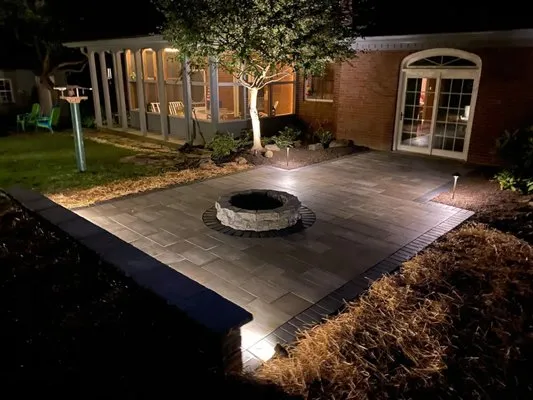
Champion Gardens is a family-owned landscaping and excavation business serving Newburgh and the Evansville region. Founded in 2010 by Collin, whose passion for the outdoors began in childhood, the com...
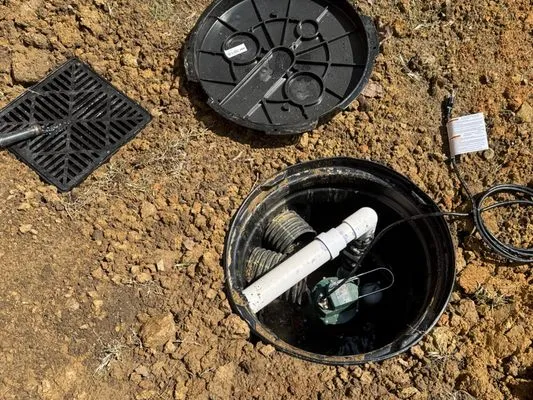
Bean's Landscape Plus is a locally owned and operated landscape service founded in 2016 by a Reitz High School graduate. Rooted in a genuine passion for outdoor work, the business operates on the prin...
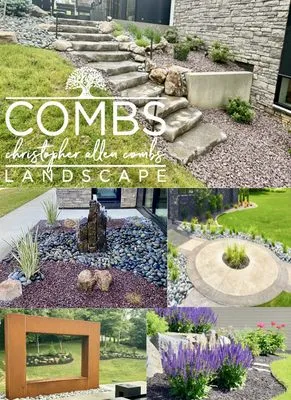
Combs Landscape
Since 1981, Combs Landscape has been a trusted name in Elberfeld and the wider Tri-State area, building a reputation on thoughtful design and enduring quality. Our team of over 50 professionals, which...
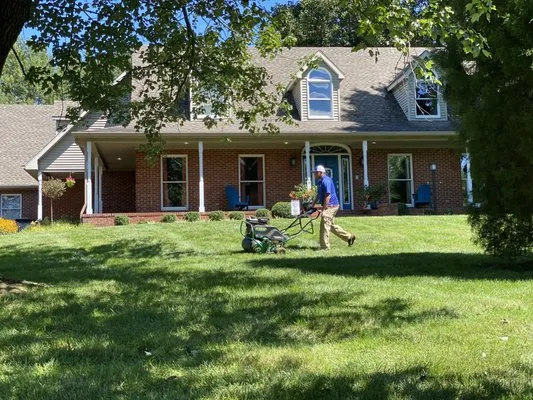
Lawn Masters in Newburgh, IN, is a locally owned lawn care service that has been serving the community since 2007. With over 30 years of experience in lawn and landscape treatments, the team, led by D...
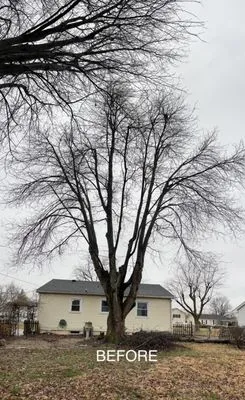
J & J Tree Service & More
J & J Tree Service & More is a family-owned and operated business serving Evansville, Indiana, and surrounding areas with comprehensive tree care, landscaping, and demolition services. With a licensed...
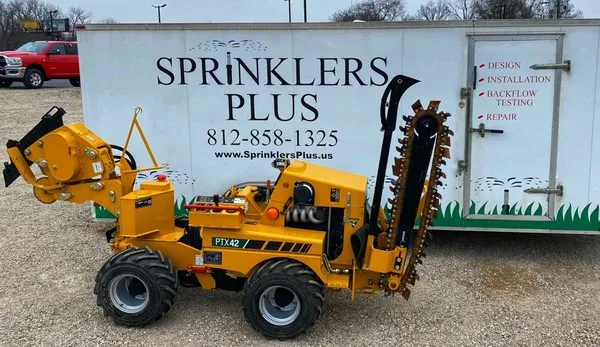
Since 1999, Sprinklers Plus has been a trusted, family-owned provider of irrigation and landscaping solutions for Newburgh and the surrounding Tri-State area. We specialize in designing, installing, a...

BP Lawn Treatments is a local Evansville lawn care partner focused on creating healthy, resilient lawns through personalized care. We start with a detailed analysis of your lawn's unique conditions, i...
Nine Ethereal Landscaping is a full-service landscaping company serving Newburgh, IN, specializing in both indoor and outdoor solutions. We help homeowners and businesses tackle common local issues li...

Caplan's Tree & Landscape Consultants is a trusted Evansville-based company specializing in comprehensive tree care and landscaping solutions. With services ranging from irrigation design and landscap...
Elpers Lawn Care & More is a trusted lawn service provider in Evansville, IN, specializing in comprehensive lawn care solutions. We understand the local challenges Evansville homeowners face, includin...
Estimated Landscaping Service Costs in Mount Vernon, IN
FAQs
How can we keep our Tall Fescue healthy without wasting water during dry periods?
Wi-Fi ET-based weather sensing irrigation calculates evapotranspiration rates using local weather data. This system adjusts watering schedules based on actual plant needs, not fixed timers. While Mount Vernon currently has no water restrictions, this technology prevents overwatering by delivering 1-1.5 inches weekly during peak growth. Properly calibrated systems maintain turf health while conserving 20-30% of water compared to traditional irrigation methods.
We've spotted invasive Japanese knotweed near our property line. How should we handle it safely?
Japanese knotweed requires immediate containment as it spreads aggressively through rhizomes. Manual removal must extract the entire root system to prevent regrowth. Herbicide applications should follow Indiana's phosphorus application guidelines near waterways, avoiding blackout periods. For established infestations, professional treatment combines mechanical and chemical methods while protecting nearby native species like Wild Bergamot and Ohio Goldenrod.
We experience seasonal ponding in our backyard. What drainage solutions work with our existing hardscape?
Moderate seasonal ponding in low-lying areas indicates silt loam's limited drainage capacity. Permeable concrete pavers or crushed limestone installations allow 80-90% of rainfall to infiltrate rather than runoff. These materials meet Posey County Area Plan Commission runoff standards while complementing existing hardscapes. French drains or dry wells in problem areas redirect water away from structures, preventing soil saturation and foundation issues.
What alternatives exist for high-maintenance turf that require less mowing and watering?
Transitioning to native plantings like Purple Coneflower, Butterfly Milkweed, and Little Bluestem reduces maintenance by 60-70%. These species are adapted to Zone 7a conditions and require minimal irrigation once established. This approach aligns with evolving noise ordinances restricting gas-powered equipment. Native landscapes support local pollinators while creating visual interest through seasonal blooms and textures.
We want to regrade our 0.22-acre lot. What permits and professional requirements should we know about?
Grading work exceeding 100 cubic yards of earth movement requires a permit from the Posey County Area Plan Commission. For proper drainage and structural integrity, hire a landscape contractor licensed through the Indiana Professional Licensing Agency. On 0.22-acre lots, even minor elevation changes can affect neighboring properties, making professional grading essential. Licensed professionals carry required insurance and understand local soil stability requirements for silt loam conditions.
We're considering expanding our patio. How do concrete pavers compare to wood for longevity and maintenance?
Concrete pavers offer superior longevity with 25-30 year lifespans versus wood's 10-15 years with regular maintenance. Their non-combustible nature supports the Low Fire Wise Rating for urban/suburban areas by creating defensible space. Unlike wood, pavers resist rot, insect damage, and warping. Properly installed with polymeric sand joints, they maintain stability through freeze-thaw cycles while requiring only occasional cleaning.
We need emergency storm cleanup before an HOA inspection tomorrow. How quickly can you respond?
Our electric maintenance fleet operates within municipal quiet hours (10:00 PM - 7:00 AM) for noise compliance. From Brittlebank Park via IN-62, we maintain a 20-30 minute standard response time to Downtown Mount Vernon. Emergency cleanup includes debris removal, branch trimming, and site restoration. We prioritize safety while meeting HOA compliance deadlines with minimal disruption to your property.
Our Downtown Mount Vernon home was built in 1972. Why does the soil feel compacted and what should we do about it?
With 54 years of soil maturity since construction, your silt loam soil has likely developed compaction from decades of foot traffic and maintenance equipment. This soil type naturally has moderate permeability, but compaction reduces pore space, limiting water infiltration and root growth. Core aeration in early spring or fall creates channels for air, water, and nutrients. Adding 1-2 inches of compost improves soil structure and microbial activity, addressing the pH 6.5-7.2 range common in this neighborhood.
