Top Landscaping Services in Morgantown, IN, 46160 | Compare & Call
There are 94 landscaping companies server in Morgantown IN
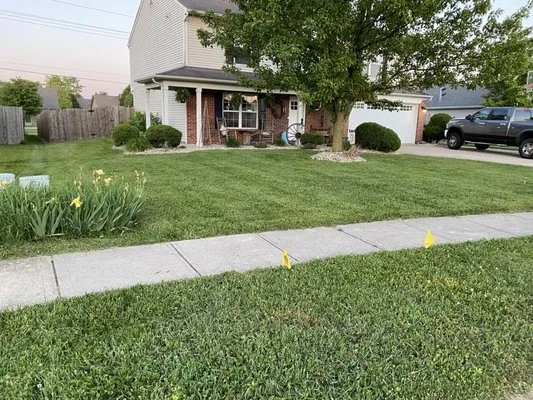
Proesk Lawncare is your trusted local lawn service provider in Greenwood, IN, specializing in comprehensive lawn care, irrigation systems, and pressure washing. We understand the unique challenges Gre...
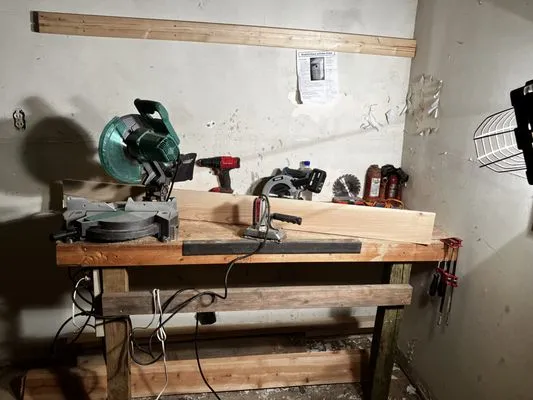
Wise Bird Company
Wise Bird Company is a Bloomington-based home services provider built on the GRIT-OWLS principle: Genuine, Respectful, and Trustworthy. For owner and team, this isn't just a motto—it's a personal comm...
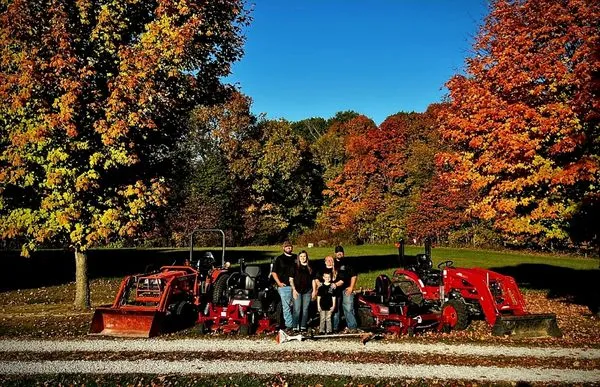
HJH Outdoor Services is a fourth-generation family business in Martinsville, IN, built on the principle that not all outdoor projects need to be an uphill challenge. We bring over a century of combine...
Muellers Lawncare is a trusted, locally-owned business serving Morgantown, IN, and the surrounding area. We specialize in comprehensive lawn care, tree services, and gutter cleaning to tackle the spec...
K&B'S Lawn Care & Landscaping is a trusted, locally-owned service provider dedicated to solving Campbellsburg's most common yard problems. We specialize in tackling persistent issues like irrigation t...
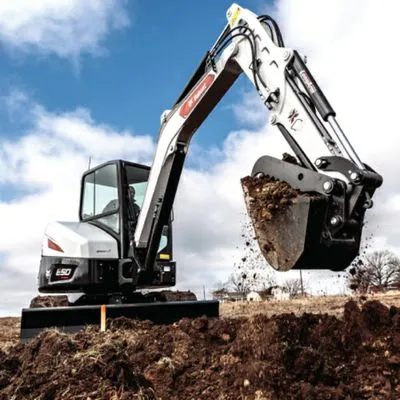
Flat Rock Excavating is a full-service contractor based in Milroy, Indiana, specializing in excavation, landscaping, and tree services. For local homeowners dealing with common issues like weed overgr...

Top Tier Contracting is a locally owned and operated business in Brownsburg, IN, dedicated to serving our community with integrity and a strong work ethic. As a small team, we prioritize clear communi...
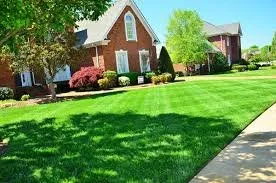
Ashworth Signature Lawn Care is a trusted local lawn service provider in Greenfield, IN, dedicated to helping homeowners maintain healthy, vibrant lawns. Many homes in the area face common landscaping...
Wilson Home Services is a trusted, locally-owned company serving North Vernon, Indiana, and the surrounding areas. We provide comprehensive solutions for your property's needs, combining expert lawn c...
At Premium Landscape Designs in Martinsville, IN, we specialize in transforming your backyard into a beautiful and functional extension of your home. Our expertise lies in designing and constructing c...
Estimated Landscaping Service Costs in Morgantown, IN
Common Questions
What permits and licenses are required for regrading my 0.35-acre lot in Morgantown?
Grading projects altering more than 100 square feet require Morgan County Planning and Zoning Department permits with engineered drainage plans. Contractors must hold Indiana Professional Licensing Agency certifications for earth moving operations, ensuring compliance with state erosion control standards. Professional landscape architects should design slope modifications exceeding 2:1 ratios to prevent structural damage to neighboring properties. These regulations protect against silt loam runoff into municipal systems while maintaining historic district lot line integrity.
How quickly can you respond to an emergency tree cleanup after a storm in Morgantown?
Our electric maintenance fleet dispatches from the Morgantown Fire Station area, traveling via IN-135 to reach most Historic District properties within 25-35 minutes during peak conditions. This rapid response meets HOA compliance deadlines for debris removal while adhering to daytime noise limits from 7 AM to 9 PM. We prioritize routes that avoid residential congestion zones, using real-time traffic data to maintain schedule reliability even during severe weather events.
Why does my Morgantown Historic District lawn struggle with compaction and poor drainage?
Homes built around 1951 have soil that has matured for 75 years, developing a dense silt loam structure common in this neighborhood. This soil type naturally compacts over decades, reducing permeability and creating seasonal water table issues. Core aeration with organic amendments like composted leaf mold improves soil percolation by creating channels for air and water movement. Regular soil testing for the pH 6.2-6.8 range ensures amendments target specific deficiencies without disrupting microbial balance.
Can I maintain a healthy Kentucky Bluegrass and Tall Fescue blend without violating water conservation guidelines?
Wi-Fi ET-based weather sensing irrigation systems calculate evapotranspiration rates to deliver precise water amounts matching turf needs. This technology reduces water use by 20-30% compared to traditional timers while preserving soil moisture during Morgantown's voluntary conservation periods. Programming follows USDA Zone 6a growing cycles, with adjustments for silt loam's water retention characteristics. Regular system audits ensure no runoff occurs, keeping usage within municipal limits even during dry spells.
How can I reduce lawn maintenance while supporting local biodiversity?
Replacing high-maintenance turf areas with Purple Coneflower, Butterfly Milkweed, Little Bluestem, and Wild Bergamot creates pollinator habitats that require minimal watering. This xeriscaping approach aligns with 2026 biodiversity standards and reduces gas-powered mowing needs ahead of potential noise ordinance expansions. Native plant communities develop deep root systems that stabilize silt loam soil, naturally suppressing weeds without chemical interventions. Transition zones between planted areas and remaining turf manage visual continuity while cutting maintenance frequency by half.
Are crushed limestone and clay brick pavers better than wood for durable landscaping features?
Crushed limestone offers superior permeability and compaction resistance compared to wood, which decays in Morgan County's seasonal moisture cycles. Clay brick pavers maintain structural integrity for 30+ years with minimal maintenance, creating fire-resistant defensible spaces important in Moderate Wildland-Urban Interface zones. Both materials withstand freeze-thaw cycles in USDA Zone 6a without shifting, reducing tripping hazards. Their natural coloration blends with historic district aesthetics while providing non-combustible barriers during fire risk periods.
What invasive species threaten Morgantown landscapes, and how do I control them safely?
Japanese knotweed and garlic mustard present significant risks in Morgan County, outcompeting native plants in silt loam conditions. Manual removal during early growth stages prevents seed dispersal without violating state phosphorus runoff prevention guidelines. Targeted herbicide applications use selective formulas that avoid broad-spectrum soil disruption, timed outside local fertilizer blackout dates. Monitoring regrowth patterns for 2-3 seasons ensures complete eradication while protecting beneficial mycorrhizae networks in established beds.
What solutions address moderate runoff issues in my yard with seasonal high water tables?
Silt loam soils in Morgantown have slow permeability, requiring graded swales and French drains to redirect surface water. Using permeable crushed limestone for pathways increases infiltration rates by 40-50% compared to solid pavers. These installations must meet Morgan County Planning and Zoning Department runoff standards, which often require percolation tests before approval. Incorporating rain gardens with native plants at drainage points further reduces erosion while managing seasonal saturation.
