Top Landscaping Services in Monroeville, IN, 46773 | Compare & Call
There are 131 landscaping companies server in Monroeville IN
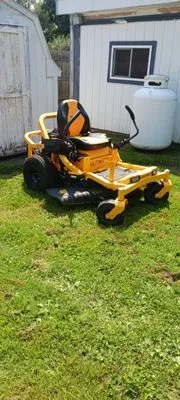
HB Lawn Solutions is your local Huntington expert for a healthy, beautiful lawn. We understand that many area homes struggle with poor lawn grading, which can lead to water pooling and soil erosion, a...

Verdant Vistas is a Bluffton-based lawn care company dedicated to cultivating healthy, resilient landscapes for local homes. We understand the specific challenges Bluffton properties face, particularl...

Green Bost is a Fort Wayne-based landscaping company specializing in landscape architecture, design, and construction. Serving homeowners throughout Allen County, we address common local landscaping c...
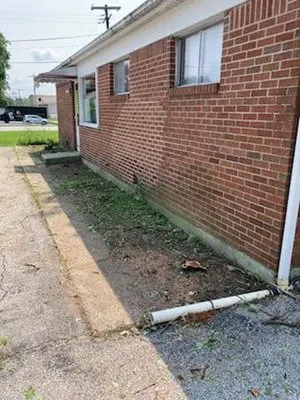
K&W Junk Removal and Property Services LLC
K&W Junk Removal and Property Services LLC is a locally-owned and operated business serving Marion, Indiana, and the surrounding areas. We provide a comprehensive range of services designed to help ho...
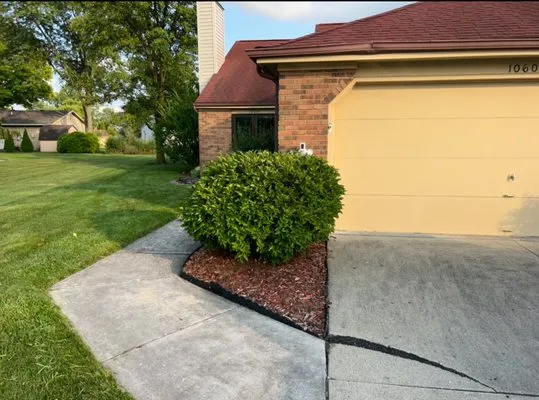
Blue Star Maintenance is a locally-owned lawn care provider in Fort Wayne, dedicated to quality over quantity. Unlike larger companies focused on speed and volume, we take a personalized, detail-orien...
J & K Clippings is a family-owned lawn care and snow removal business serving Roanoke, IN, founded in 2018. Born from a personal journey, the business started to help cover medical expenses during a c...

SLM Property Maintenance is your trusted Fort Wayne lawn care specialist, dedicated to creating and maintaining healthy, resilient landscapes for homeowners and businesses. We understand the unique ch...
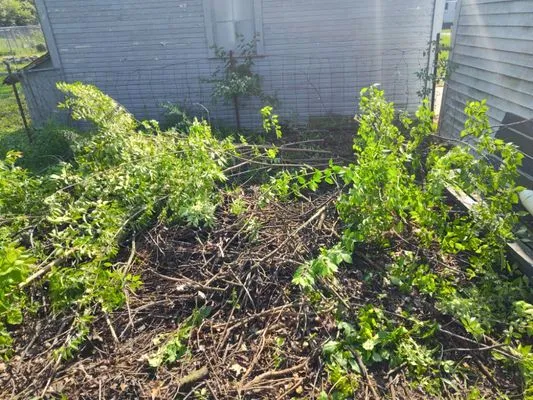
MJ'S Affordable Lawn Care is a trusted Fort Wayne, IN provider of comprehensive lawn care, snow removal, and pressure washing services. We specialize in addressing common local landscaping challenges ...
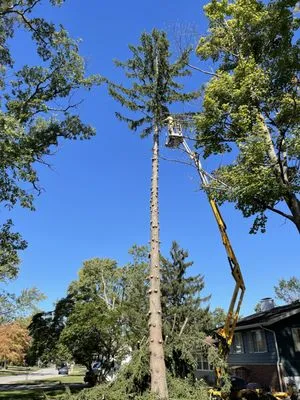
Superscape Landscaping & More is a Fort Wayne-based landscaping and tree service company founded in 2020 by partners with over 30 years of combined experience. We specialize in transforming ordinary y...
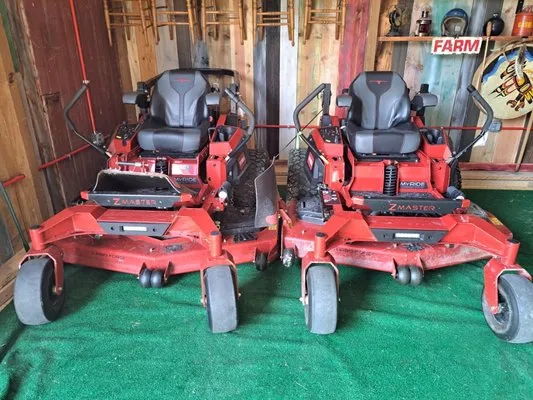
All Around Detailing Services is a Fort Wayne-based company dedicated to enhancing your property's curb appeal and your vehicle's appearance. We bring years of hands-on experience in landscaping, pres...
Estimated Landscaping Service Costs in Monroeville, IN
Question Answers
What invasive species should I watch for, and how are they treated?
Garlic mustard and Japanese honeysuckle are prevalent threats in Allen County. Manual removal before seed set is most effective. For persistent woody invasives, targeted cut-stump herbicide applications in late fall are recommended, but all chemical treatments must comply with Indiana State Chemist Phosphorus Application Restrictions. We avoid blanket herbicide use to protect soil mycorrhizae and prevent nutrient runoff into the watershed.
Are permeable pavers better than a wooden deck for my new patio?
For longevity and low maintenance in Monroeville's climate, permeable concrete pavers outperform wood. They do not rot, warp, or require sealing, and their permeability mitigates local runoff issues. While wood may seem traditional, pavers provide a more stable, non-combustible surface that contributes to a defensible space, which is a consideration even in areas with a Low Fire Wise rating for standard residential compliance.
Is there a lower-maintenance alternative to my current lawn?
Transitioning high-input turf areas to a native plant community is a forward-looking strategy. Species like Purple Coneflower, Butterfly Milkweed, and Little Bluestem are adapted to Zone 6a, requiring no irrigation once established and minimal mowing. This shift reduces dependency on gas-powered equipment, aligning with evolving noise ordinances, and significantly enhances local biodiversity and pollinator habitat beyond 2026 landscape standards.
How fast can you respond for an emergency tree cleanup after a storm?
Our electric maintenance fleet is optimized for compliance with Monroeville's commercial noise ordinance, allowing dispatch during restricted hours. For an emergency in the Historic District, we stage from Monroeville Community Park, accessing US-27 for a primary route. This logistics plan ensures a peak storm response arrival within the 25-35 minute window, enabling rapid debris management to meet HOA or safety compliance standards.
What permits and licenses are needed for a backyard grading project?
Regrading a 0.35-acre lot to alter water flow typically requires an earth disturbance permit from the Allen County Department of Planning Services. The contractor must hold appropriate licensing through the Indiana Professional Licensing Agency. This ensures they are bonded, insured, and knowledgeable about state erosion control and phosphorus application laws, protecting you from liability and ensuring the work meets current code for drainage and environmental protection.
Why does my yard stay wet, and what's a long-term fix?
Moderate runoff and a seasonal high water table are common in Blount-Pewamo Silt Loam due to its moderate permeability. Installing a French drain system can intercept subsurface water, while regrading swales directs surface flow away from foundations. For new patios or walkways, using permeable concrete pavers increases ground infiltration, often meeting Allen County Department of Planning Services runoff standards more effectively than traditional impervious surfaces.
How do we keep a lawn green during Stage 1 water restrictions?
Wi-Fi ET-based weather sensing controllers are the standard for compliance. They automatically adjust irrigation schedules by calculating real-time evapotranspiration rates, preventing watering during rain and reducing overall output by 20-30%. This technology delivers water precisely when your Kentucky Bluegrass and Tall Fescue blend needs it most, maintaining turf health while adhering to voluntary conservation goals and preempting stricter municipal limits.
What does the age of my house mean for my soil?
A property built in 1958, like many in the Monroeville Historic District, has had nearly 70 years of soil compaction from construction, foot traffic, and maintenance. The prevalent Blount-Pewamo Silt Loam, while naturally fertile, becomes dense over decades, restricting root growth and water infiltration. To restore permeability, core aeration every 1-2 years is critical, followed by top-dressing with compost to rebuild organic matter and support soil biology for healthier turf and plantings.
