Top Landscaping Services in Milford, IN, 46747 | Compare & Call
There are 76 landscaping companies server in Milford IN
Gage's Lawn Care is a trusted Fort Wayne lawn service provider specializing in comprehensive lawn care, gutter cleaning, and pressure washing solutions. We understand that local homeowners often face ...
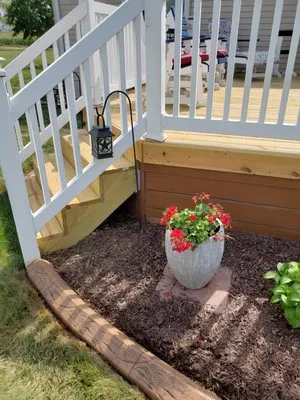
Fort Wayne Decorative Curbing (FWDC) is a trusted local masonry and landscaping contractor serving Fort Wayne, IN. Specializing in decorative concrete curbing, retaining walls, patios, walkways, and c...
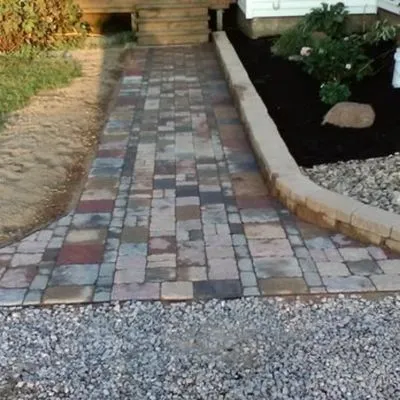
Living Lavishly Estate Management
Living Lavishly Estate Management is a Fort Wayne-based company specializing in creating exceptional outdoor living environments. We focus on high-quality hardscaping projects, including paver patios,...
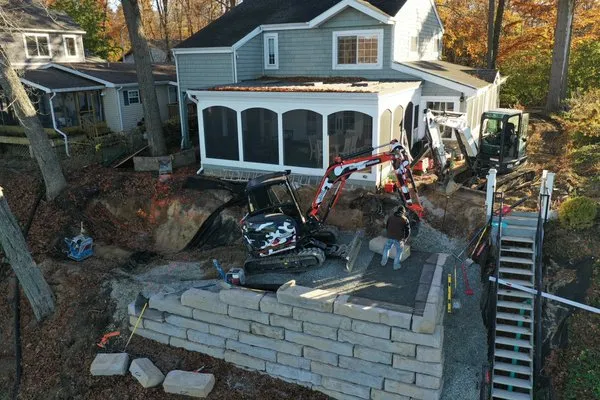
Fouce Scapes is a locally-owned landscaping company in Bourbon, founded by an owner-operator with a decade of specialized experience in underground utilities and site restoration. After years of build...
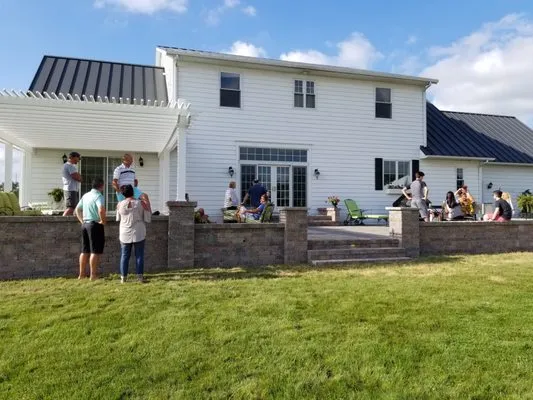
Dave's Lawnscaping
Dave's Lawnscaping has been serving Middlebury, IN, and surrounding areas since 1993, growing from a small lawn seeding operation into a trusted, family-owned design and build company with over 30 emp...
FH Decks and Landscaping is a licensed and insured contractor based in Culver, IN, providing comprehensive outdoor services for both residential and commercial clients across Marshall, Fulton, Pulaski...
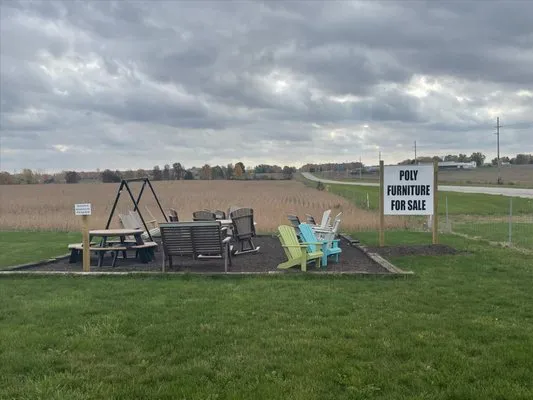
Martin's Mulch & Poly Lawn Furniture is a locally-owned-and-operated business serving Goshen, IN, and surrounding Elkhart County since 2017. We specialize in handmade mulch and durable poly lawn furni...

Elkhart County Gravel is a family-owned aggregate construction company that has served Northern Indiana for over 40 years. Based in New Paris with operations in Warsaw and Middlebury, we specialize in...
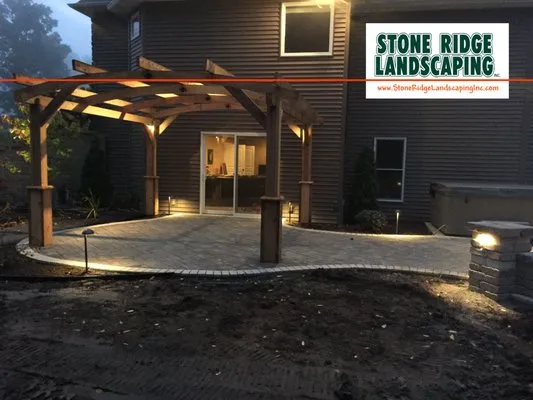
Stone Ridge Landscaping Inc. is a trusted local resource serving homeowners in Goshen, Elkhart, Mishawaka, South Bend, Middlebury, Syracuse, and nearby communities. We combine deep horticultural knowl...
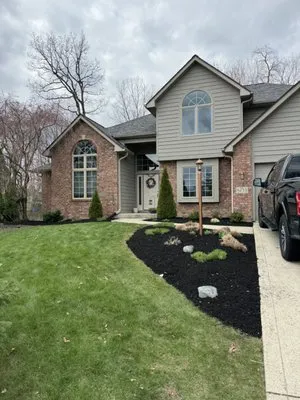
DC Lawn and Landscaping in Roann, IN, is a locally owned and operated lawn care business built on a lifelong passion for the craft. Owner DC grew up helping his father with landscaping jobs, discoveri...
Estimated Landscaping Service Costs in Milford, IN
Frequently Asked Questions
How quickly can you respond to an emergency tree cleanup after a storm?
Emergency dispatch from our Milford Public Library staging area utilizes SR 15 for primary routing, achieving 20-30 minute response times during peak conditions. This efficiency accounts for electric fleet navigation through residential zones while adhering to 10 PM-7 AM quiet hour ordinances. Our protocol prioritizes hazardous limb removal and drainage obstruction clearance, with full debris processing completed within 4-6 operational hours using compact electric chippers that operate below 65 decibels.
Can I reduce maintenance while supporting local pollinators?
Transitioning 30-50% of traditional turf to Purple Coneflower and Butterfly Milkweed stands reduces mowing frequency by 60% while providing June-September nectar sources. Little Bluestem and Wild Bergamot establish self-sustaining colonies within two growing seasons, eliminating gas-powered equipment use during 10 PM-7 AM restricted hours. This xeriscaping approach decreases water demand by 75% compared to Kentucky Bluegrass, while creating habitat corridors that support 2026 biodiversity targets for Lepidoptera and native bee populations.
What solutions exist for persistent puddling in my clay-heavy yard?
Heavy clay pockets in Miamian-Celina Loam exhibit infiltration rates below 0.25 inches per hour, requiring graded swales with 2% minimum slope toward permeable hardscapes. Crushed limestone bases under concrete pavers create 40-50% void spaces for subsurface storage, meeting Kosciusko County Area Plan Commission runoff standards. Installing French drains with non-woven geotextile fabric at 18-inch depths intercepts perched water tables, while rain gardens planted with moisture-tolerant natives provide biological filtration for collected runoff.
How do I manage invasive plants without chemical runoff concerns?
Targeted manual removal of Japanese knotweed and garlic mustard during April mulching season prevents seed set while avoiding phosphorus application restrictions under IC 15-16-11. Cut-stump treatments using 20% horticultural vinegar applied within 15 minutes of cutting achieve 85-90% control rates without soil persistence. For Mile-a-minute vine infestations, solarization using 6-mil clear plastic from May-July raises soil temperatures to 125°F at 2-inch depths, eliminating seed banks while preserving mycorrhizae networks in the root zone.
What permits and licenses are needed for regrading my 0.35-acre property?
Grading exceeding 100 cubic yards on 0.35-acre lots requires Kosciusko County Area Plan Commission approval for erosion control plans meeting 2026 sediment retention standards. Contractors must hold Indiana Professional Licensing Agency registration with landscape architecture endorsement for designs altering existing drainage patterns. Stormwater management systems serving areas over 5,000 square feet need engineered calculations demonstrating 90% TSS removal, with bonding requirements scaling based on project valuation and watershed impact assessments.
Will smart irrigation keep my Kentucky Bluegrass blend healthy during summer?
Wi-Fi soil-moisture sensing systems maintain turf health by delivering 1-1.5 inches weekly through ET-based scheduling, precisely matching evapotranspiration rates. These systems bypass municipal water restrictions by utilizing real-time weather data integration, reducing consumption 30-40% compared to traditional timers. For Milford's USDA Zone 5b conditions, sensors placed at 3-inch and 6-inch depths ensure root zone hydration without surface runoff, preserving the Tall Fescue component's drought tolerance during July-August peak demand periods.
Why does my Milford Village Center lawn struggle despite regular care?
Milford's residential lots, predominantly developed around 1955, feature Miamian-Celina Loam soil that has matured for approximately 71 years. This soil type naturally develops compacted layers over decades, reducing permeability to 0.5-1.5 inches per hour. Core aeration every 2-3 years introduces oxygen channels while incorporating 0.25 inches of composted organic matter annually addresses pH stabilization between 6.8-7.4. Historical construction practices in this neighborhood often created subsurface compaction zones that require mechanical fracturing to restore healthy root penetration.
Are concrete pavers better than wood for long-term durability?
Concrete pavers with polymeric sand joints maintain structural integrity for 25+ years versus wood's 8-12 year lifespan in Milford's freeze-thaw cycles. Their non-combustible nature supports Low Fire Wise ratings by creating defensible space without fuel accumulation, unlike wood's 15-20% annual decomposition rate. Interlocking systems with 1-3mm joint spacing prevent weed penetration while allowing 10-15% permeability for stormwater management, reducing heat island effect by 15-20°F compared to solid concrete installations.
