Top Landscaping Services in Ligonier, IN, 46767 | Compare & Call

There are 49 landscaping companies server in Ligonier IN
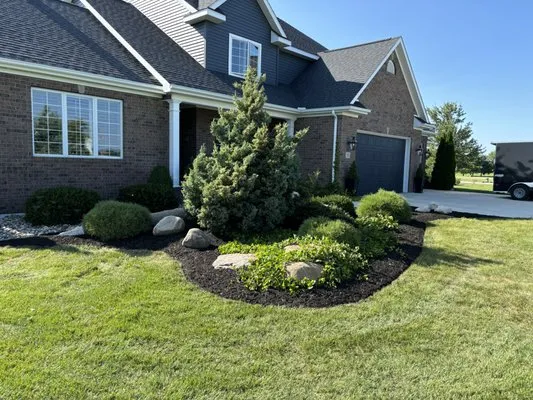
Vose & Sons Landscaping
Vose & Sons Landscaping is a family-owned business in Columbia City, IN, founded with a deep passion for transforming outdoor spaces. With over 15 years of landscaping experience, we specialize in com...
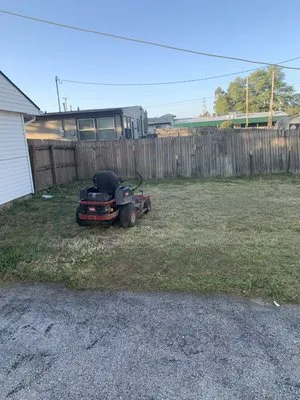
Vlot Outdoor Services, founded and operated by Keith, is a dedicated local business serving Fort Wayne since 2018. Keith brings over seven years of hands-on experience in the green industry, having ho...

Kapp's Green Lawn is a Fort Wayne family-owned institution with roots going back over 50 years. It began when founder Larry Kapp, then a high school teacher, started the business during summer breaks,...

Spring Green has been a trusted provider of lawn, pest, and tree services in Fort Wayne for over 45 years. As an industry leader, we take our community responsibility seriously and are proud to help c...
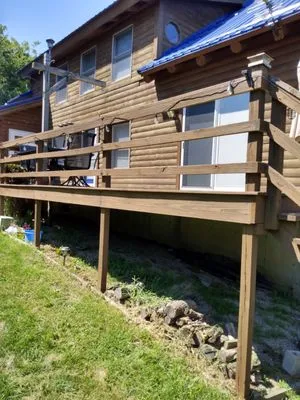
Demo Dude is a locally owned and operated handyman, demolition, and landscaping business serving Auburn, Indiana. Our journey began in high school, walking from school to work each day, with our first...
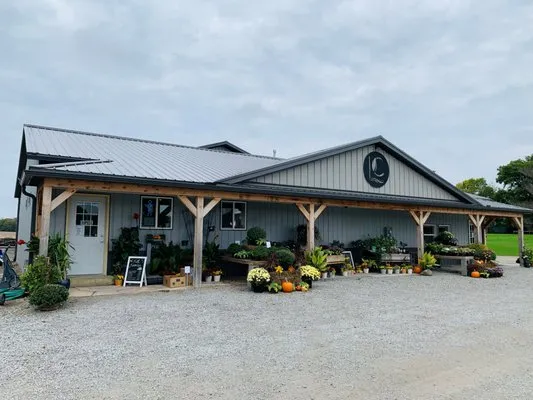
Lake Country Landscaping and Garden Center
Lake Country Landscaping and Garden Center is a Wolcottville-based, full-service landscape company and retail garden center. We specialize in detailed design and installation for both new construction...

Green Team Landscaping & Pools
Green Team Landscaping & Pools is Warsaw, Indiana's full-service outdoor specialist. We help local homeowners solve common landscaping problems like dying shrubs and leaky sprinkler systems with exper...
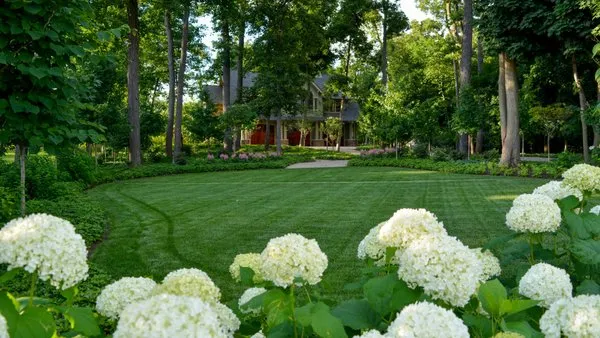
Paragon Landscape is a full-service landscaping company rooted in Harlan, IN, dedicated to bringing beauty and function to outdoor spaces across northeast Indiana, northern Indiana, and parts of Ohio ...
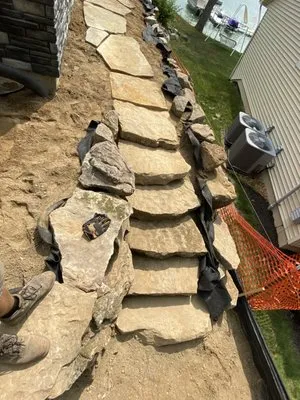
Unparalleled Lines is a Kendallville-based hardscape and landscaping company founded by owner-operator Cory McMaken. Born and raised in northeast Indiana, Cory started his career learning the trade fr...
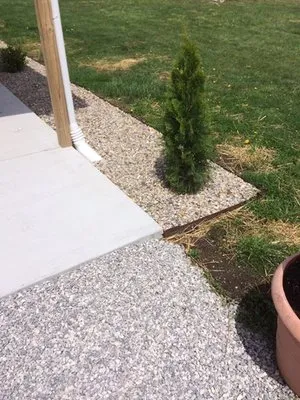
Vega's Lawn Care is a trusted, locally-owned lawn service provider in Warsaw, IN, dedicated to creating and maintaining healthy, vibrant lawns for the community. We understand the common local challen...
Estimated Landscaping Service Costs in Ligonier, IN
Common Questions
I see invasive vines and weeds my neighbor doesn't have. How do I safely get rid of them?
Different soil conditions and seed banks allow invasives like creeping Charlie or garlic mustard to establish. Correct identification is key, as treatment timing and method vary. For most broadleaf invasives in lawns, a selective, state-compliant herbicide applied in fall is effective. Crucially, any fertilizer used must be phosphorus-free unless you are seeding new turf, in strict adherence to Indiana's fertilizer ordinance. For garden beds, manual removal and smothering with mulch are preferred first steps.
We're adding a patio. Is wood or paver stone better for longevity and upkeep here?
Concrete pavers are superior for long-term value and low maintenance in Ligonier's climate. Unlike wood, which decays and requires annual sealing, pavers are inert, frost-heave resistant, and can last decades. Their non-combustible nature also contributes to defensible space, a consideration even with Ligonier's low Fire Wise rating. For a cohesive look, use crushed limestone for secondary paths; it provides excellent drainage and a natural aesthetic that complements the pavers.
We want to regrade our backyard for a patio. What permits do we need, and does our contractor need a special license?
Regrading that alters water flow or involves significant earth movement typically requires a permit from the Noble County Plan Commission. On a 0.25-acre lot, the impact on stormwater runoff is a key review factor. Furthermore, any contractor performing this work should hold a valid license from the Indiana Professional Licensing Agency. Hiring a licensed professional ensures the work meets structural and environmental codes, protects you from liability, and guarantees that the finished grade will properly manage drainage away from your foundation.
A storm just knocked down a large limb. How fast can a crew get here for an emergency cleanup to avoid HOA fines?
For an emergency storm response, our electric fleet can be dispatched from the Ligonier Historic District. Taking US-6, we estimate a 20-30 minute arrival during peak hours. The quiet electric equipment allows work to begin immediately upon arrival, even during standard quiet hours, to secure the site, clear debris from walkways and drives, and document the situation for your insurance or HOA, preventing compliance issues.
Part of my yard stays soggy for days after rain. What's a permanent solution that won't look out of place?
A persistent wet spot indicates the seasonal high water table meeting compacted soil. The solution involves improving subsurface drainage with a French drain or dry well, coupled with surface grading. For any new patios or paths, specify permeable concrete pavers or a compacted crushed limestone base. These materials increase infiltration, manage runoff on-site to meet Noble County Plan Commission standards, and are a functional upgrade over non-porous surfaces that exacerbate the problem.
I want a green lawn but don't want to waste water. What's the smartest way to irrigate here?
The most efficient method uses Wi-Fi soil moisture sensor controllers tied to local evapotranspiration (ET) data. These systems bypass preset schedules, watering your Kentucky Bluegrass and Tall Fescue mix only when the root zone moisture drops below a specific threshold. This technology prevents overwatering, which is critical given the moderate seasonal high water table in Ligonier, and ensures deep, drought-resistant roots while keeping you well within standard conservation guidelines.
My lawn has always been thin and compacted. Is this just bad soil, or is it something about older Ligonier homes?
This is a predictable soil history issue. Homes built in the 1970s, common in Downtown Ligonier, have soil that has matured for over 50 years without significant intervention. The slightly acidic loam has likely become heavily compacted from decades of foot traffic and standard mowing, reducing permeability and root zone oxygen. Core aeration and incorporating compost are not optional; they are necessary to rebuild soil structure and correct the natural pH drift towards higher acidity that occurs in aging urban lots.
I'm tired of weekly mowing and gas blower noise. Are there quieter, lower-maintenance options?
Absolutely. Transitioning sections of high-maintenance turf to a native planting bed with species like Little Bluestem, Purple Coneflower, and Wild Bergamot drastically reduces mowing and eliminates leaf-blowing. These plants are adapted to Zone 6a and our soil, requiring no irrigation once established and providing superior habitat. This shift pre-adapts your property to evolving noise ordinances focused on gas-powered equipment and creates a resilient, biodiverse landscape.
