Top Landscaping Services in Leo Cedarville, IN, 46741 | Compare & Call
There are 140 landscaping companies server in Leo Cedarville IN
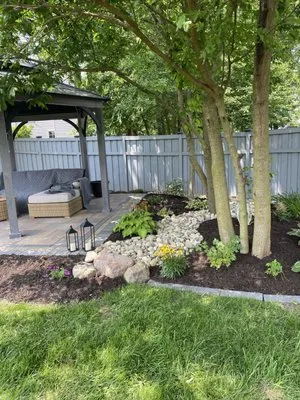
JP Lawn Care provides professional lawn services and pressure washing for Fort Wayne homeowners. In an area where many properties struggle with persistent issues like weed overgrowth and dead lawn pat...

Aydens Lawn Care
Aydens Lawn Care is a family-owned landscaping company serving Fort Wayne, IN, and surrounding areas with over 15 years of experience. We specialize in landscape design, greenscape design, and compreh...

Andy's Lawn Maintenance provides essential lawn care services for Fort Wayne residents, with a focus on promoting healthy, resilient turf. We specialize in core aeration to combat the common local iss...

Aj's Turf & Tree is a trusted Fort Wayne tree and lawn service provider dedicated to solving common local landscaping challenges. Many homeowners in our area struggle with issues like poor lawn gradin...
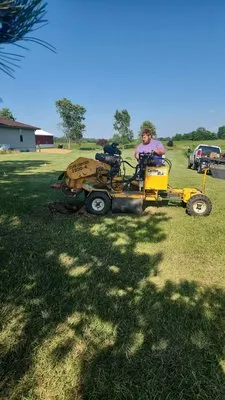
Busted Beaver Firewood and Stump Grinding is your trusted local provider in Wawaka, IN, specializing in tree services, firewood, and lawn care. We understand that many homes in our area face common la...
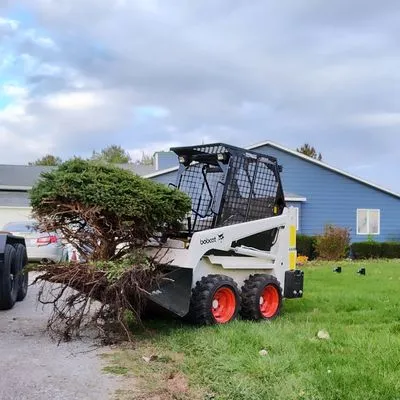
Freeman Earthworks LLC is a family-owned and operated landscaping business serving New Haven and Fort Wayne, Indiana. Licensed and insured, we specialize in landscaping tearouts, gravel driveways, she...

Cunningham Lawn Care is a trusted, locally-owned provider of year-round outdoor maintenance for Fort Wayne homeowners. We specialize in comprehensive lawn care and reliable snow removal, helping resid...
Kieser Design is your local Grabill, IN landscaping expert, dedicated to creating and maintaining vibrant, healthy outdoor spaces. We specialize in diagnosing and solving the common regional issues of...

All Around Services is a Fort Wayne family business born from personal necessity. As a former single mom, the founder experienced firsthand the challenge of finding reliable, judgment-free help for th...
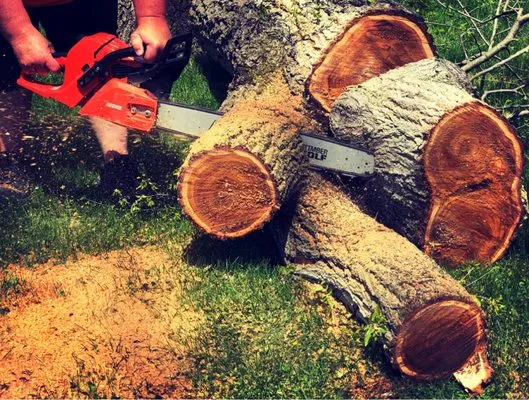
Gordon Tree Service is your local, full-service partner for Auburn's landscaping and tree care needs. We understand the common issues homeowners face, like dying shrubs and patchy lawns, which often s...
Estimated Landscaping Service Costs in Leo Cedarville, IN
Q&A
Our yard seems compacted and drains poorly. Is this typical for Cedarville Historic District properties?
Properties in the Cedarville Historic District built around 1994 have 32-year-old soil systems. The Blount-Pewamo Silt Loam common here develops surface compaction over decades, reducing permeability to 0.5-1.5 inches per hour. Core aeration with 3-inch tines every 2-3 years introduces oxygen channels while top-dressing with composted leaf mold increases organic matter above the 2% threshold needed for healthy root penetration in Zone 6a.
Our yard develops seasonal ponding that lasts for days. What solutions work with our soil type?
High water tables in Blount-Pewamo silt loam require subsurface French drains at 18-24 inch depths with clean limestone aggregate backfill. Permeable concrete paver installations achieve 8-12 inch per hour infiltration rates, meeting Allen County Department of Planning Services runoff standards. We grade swales with 2% slope toward rain gardens planted with Little Bluestem, which tolerates both saturation and drought in Zone 6a conditions.
How can we maintain our Kentucky Bluegrass/Tall Fescue blend during dry spells without violating water conservation guidelines?
Wi-Fi ET-based weather sensing controllers adjust irrigation to actual evapotranspiration rates, typically reducing water use 25-40% compared to timer systems. For Leo Cedarville's voluntary conservation climate, we program 0.75 inches weekly across 2-3 cycles to encourage deeper root growth. Soil moisture sensors override schedules when Blount-Pewamo silt loam reaches 50% field capacity, preventing seasonal ponding while maintaining turf health through August heat stress.
We need emergency storm cleanup to meet HOA compliance deadlines. What's your fastest response time?
Our electric maintenance fleet dispatches from Riverside Park within 15 minutes of notification. Using I-69 access points, we reach Cedarville Historic District properties in 20-30 minutes during peak conditions. This routing avoids residential congestion while complying with the 7:00 AM noise ordinance start time. We prioritize safety zone establishment before deploying battery-powered chippers and sweepers for immediate debris management.
Should we use concrete pavers or wood for our new patio considering long-term maintenance?
Concrete pavers offer 25-40 year lifespans versus wood's 10-15 years in Leo Cedarville's freeze-thaw cycles. The 6-inch crushed limestone base provides 95% compaction for heave resistance while allowing 0.5 inch per hour permeability. Though Cedarville has low Fire Wise ratings, non-combustible pavers maintain defensible space requirements better than wood decking. Polymeric sand joints prevent weed intrusion while accommodating minor soil movement from the high water table.
We're seeing invasive garlic mustard spreading. How do we treat it without violating fertilizer restrictions?
Garlic mustard requires hand-pulling before seed set in early May, followed by spot-treatment with 20% horticultural vinegar during Indiana's phosphorus application blackout periods. We apply mycorrhizae inoculants to disturbed areas to outcompete remaining seeds. For Japanese knotweed alerts, we use stem injection methods with EPA-approved herbicides in October, avoiding runoff into the high water table while complying with IC 15-16-11 restrictions on broadcast applications.
What permits and licenses are needed for regrading our 0.35-acre property?
Allen County Department of Planning Services requires erosion control permits for any grading disturbing over 0.25 acres. The Indiana Professional Licensing Agency mandates licensed landscape architects for drainage designs moving more than 50 cubic yards of soil. On 0.35-acre lots, this typically involves 70-90 cubic yards for proper 2% slope establishment. Contractors must hold H-2A licenses for excavation below 18 inches due to utility conflicts in 1994-era developments with shallow irrigation lines.
We want to reduce mowing and gas equipment noise. What native alternatives work here?
Replacing 500-700 square feet of turf with Purple Coneflower, Butterfly Milkweed, and Wild Bergamot creates pollinator corridors while eliminating weekly mowing. These natives establish deep taproots within 2 seasons, accessing subsoil moisture and reducing irrigation needs 60-80%. The transition supports electric maintenance fleets by removing gas-blower dependency ahead of tightening noise ordinances, with established meadows requiring only annual cutting after November frosts.
