Top Landscaping Services in Knightstown, IN, 46148 | Compare & Call

There are 37 landscaping companies server in Knightstown IN
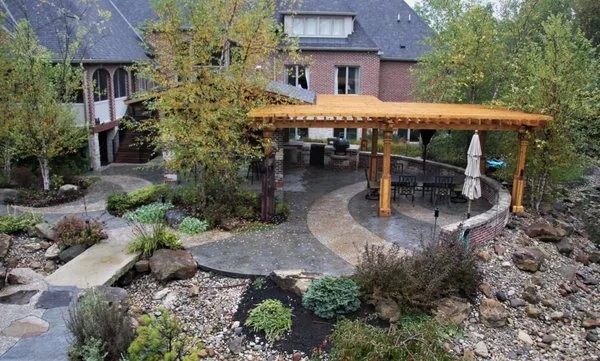
Pro Care Horticultural Services
Pro Care Horticultural Services is a family-owned and operated landscape company serving Carmel and the surrounding communities since 1972. Founded by Mort Rolsky, whose legacy of quality and family v...
Tharp's Lawn Care & Tree Service has been serving Shelbyville, IN, and surrounding areas since 2019, providing reliable lawn care, tree services, and snow removal. As the Shelby County's Best Lawn Car...
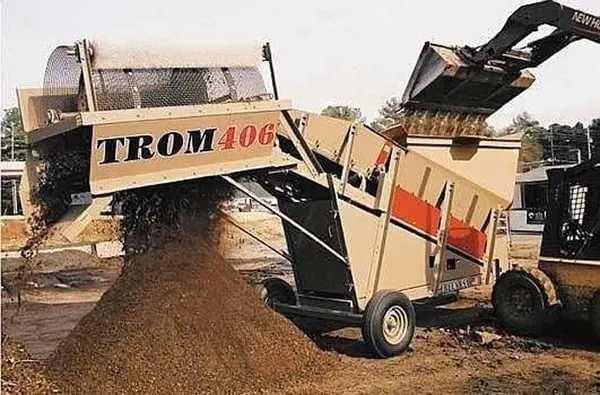
Oasis Trucking & Landscaping has been Greenfield's trusted landscaping partner since 2006, serving Hancock, Madison, Shelby, and surrounding communities. We specialize in providing essential materials...
Dad's Lawn Care Landscaping is a family-owned and operated business in Anderson, IN, founded on a simple idea: building something meaningful together. For the owner, this venture is more than landscap...

Rinehart's Lawn Care Landscaping & Snow Removal
Rinehart's Lawn Care Landscaping & Snow Removal is a locally owned business serving Wayne County, IN, Preble County, OH, and surrounding areas, including Richmond. We provide comprehensive lawn care, ...
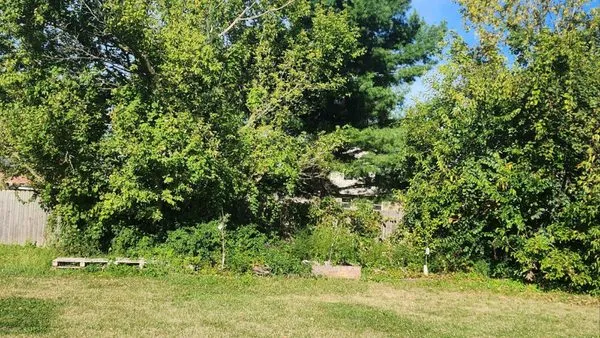
Poison Ivy Removal in Richmond, IN, is your local expert in safely and effectively eradicating poison ivy from your property. Our specialized service protects your family from the painful rash and pre...
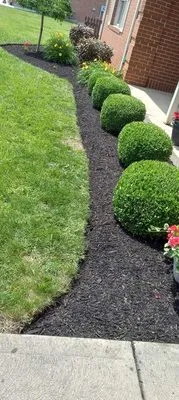
J&J Landscaping
J&J Landscaping is a family-operated business serving Winchester, IN, with comprehensive landscaping solutions. We specialize in transforming outdoor spaces through expert design, construction, and ma...
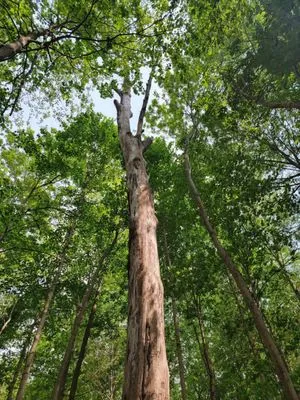
Erik’s Tree and Landscaping is a locally owned and operated company serving New Castle, IN, and Henry County. We specialize in comprehensive tree care and landscaping services, from tree removal and p...

Wiley Lawncare & Landscaping is a family-owned and operated business in Connersville, dedicated to enhancing our community's outdoor spaces. We bring genuine care and extensive experience to every job...
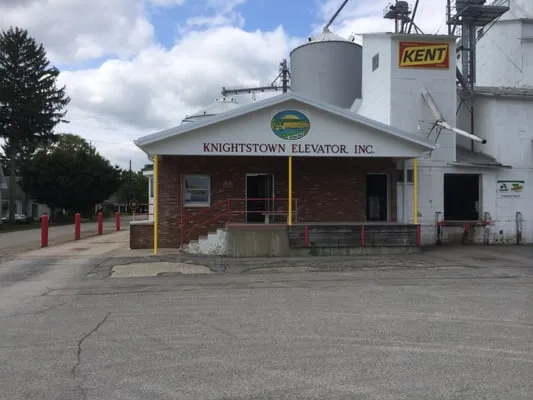
Knightstown Elevator, Inc. has been a trusted local business since 1961, owned and operated by the Haase family for generations. As a cornerstone of the Knightstown community, we combine our deep agri...
Estimated Landscaping Service Costs in Knightstown, IN
Frequently Asked Questions
What permits and licenses are needed for regrading my 0.22-acre lot?
The Henry County Planning Commission requires grading permits for any earth movement exceeding 50 cubic yards on 0.22-acre lots. Contractors must hold Indiana Professional Licensing Agency certification for landscape architecture or excavation work, ensuring proper slope stabilization and erosion control. Licensed professionals design grades to maintain 2% minimum slope away from foundations while preserving existing tree root zones within the limited space.
Are concrete pavers better than wood for durability and fire safety?
Concrete pavers maintain structural integrity for 25+ years versus wood's 10-15 year lifespan in Knightstown's freeze-thaw cycles. Their non-combustible nature supports Low Fire Wise Rating compliance by creating defensible space around structures. Interlocking pavers with polymeric sand joints also permit 3-5 inches per hour water infiltration, reducing heat island effect compared to solid concrete surfaces.
How quickly can you respond to emergency storm damage for HOA compliance?
Our electric maintenance fleet operates within Knightstown's 7:00 AM - 9:00 PM noise ordinance, enabling rapid deployment. From the Knightstown Public Library, we take US-40 to reach Downtown properties within 20-30 minutes during peak conditions. This routing prioritizes fallen limb removal and temporary erosion control to meet immediate safety standards before permanent restoration.
How do I maintain Kentucky Bluegrass and Tall Fescue during dry spells without violating water rules?
Wi-Fi ET-based weather sensing irrigation calculates evapotranspiration rates specific to Knightstown's Zone 6a climate. This system delivers 1-1.5 inches weekly only when soil moisture drops below 50% field capacity, preventing overwatering. Programming separate zones for sun-exposed versus shaded turf areas reduces total water use by 25-40% while maintaining the grass mix's drought tolerance through deeper root development.
What's the best solution for seasonal ponding in my yard's low spots?
Moderate ponding in Miamian-Crosby Silt Loam indicates permeability below 0.5 inches per hour in depressed areas. Installing French drains with clean crushed limestone aggregate creates subsurface flow paths, while permeable concrete pavers allow 3-8 inches per hour surface infiltration. The Henry County Planning Commission requires these systems to handle 25-year storm events, preventing runoff from exceeding pre-development rates.
Can I reduce mowing frequency and gas equipment noise with native plants?
Replacing 30-50% of turf with Purple Coneflower, Butterfly Milkweed, Little Bluestem, and Wild Bergamot creates a low-input landscape. These natives require no irrigation once established and support 2026 biodiversity standards for pollinators. Electric maintenance equipment meets Knightstown's noise ordinance while eliminating emissions, and native plantings need only annual cutting back instead of weekly mowing.
Why does my Downtown Knightstown lawn feel compacted and drain poorly after heavy rain?
Knightstown's Miamian-Crosby Silt Loam soil naturally compacts over time, and Downtown lots with 1938-era homes have 88 years of soil maturity. This extended timeline means soil structure has degraded, reducing permeability to 0.5-1.5 inches per hour. Core aeration every 2-3 years introduces oxygen channels, while adding 0.25 inches of compost annually rebuilds organic matter to 3-5% for improved water infiltration.
How do I control invasive species without violating phosphorus restrictions?
Japanese knotweed and garlic mustard pose the highest invasion risk in Knightstown's Zone 6a. Manual removal during dry periods prevents seed spread, while targeted glyphosate applications follow Indiana's phosphorus ordinance blackout dates (typically November-March). Soil testing every 3 years ensures any fertilizer use stays below 0.25 pounds phosphorus per 1000 square feet, focusing instead on building soil biology with mycorrhizae inoculants.
