Top Landscaping Services in Kendallville, IN, 46755 | Compare & Call

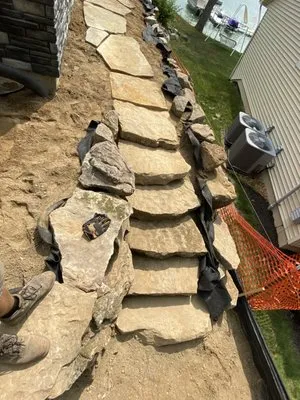
Unparalleled Lines is a Kendallville-based hardscape and landscaping company founded by owner-operator Cory McMaken. Born and raised in northeast Indiana, Cory started his career learning the trade fr...

Based in Kendallville, Hands of Faith is a family-operated business dedicated to maintaining and improving homes across Noble County and the surrounding areas. We combine skilled handyman work with th...
AMA Lawn Care is your trusted local lawn care expert in Kendallville, IN, dedicated to keeping your property healthy and beautiful. We specialize in comprehensive lawn care services tailored to our re...

Accurate Landscaping & Lawn Maintenance is your trusted Kendallville partner for a healthy, beautiful yard. We understand the unique challenges local homeowners face, from inconsistent sprinkler cover...
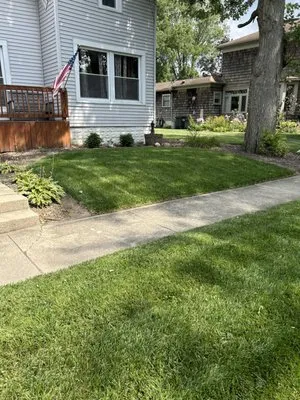
Northern Outdoor Services is your trusted Kendallville partner for a healthy, well-maintained outdoor space year-round. We specialize in comprehensive lawn care and reliable snow removal, addressing c...
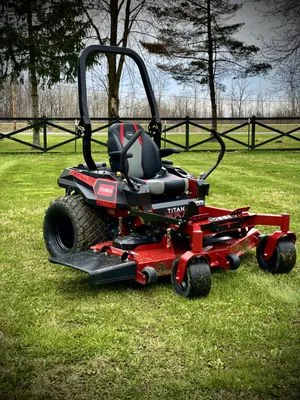
K & N Lawn Care is a dedicated, locally-owned lawn service provider serving Kendallville, IN. We understand the common challenges homeowners face, such as persistent weed overgrowth and sprinkler syst...

Haulin Property Solutions LLC, based in Kendallville, IN, is a locally owned and operated lawn care service dedicated to keeping properties in our community well-maintained and functional. With over t...

Classic Cleaning & Property Maintenance
Since 1999, Classic Cleaning & Property Maintenance has been a trusted name in Kendallville, evolving from a janitorial service into a comprehensive property care provider. We offer a full spectrum of...

Homegrown Hoosier Lawncare is a locally owned and operated business serving Kendallville and Noble County, founded by a dedicated father of three. Born from a passion for working outdoors and a desire...
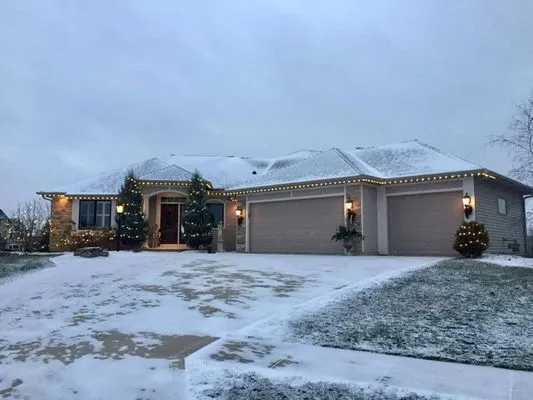
Lawns and More
Lawns and More is a family-owned and operated lawn care business in Kendallville, founded in 2016 by CJ. With roots in northern Indiana and a childhood spent working for his father's lawn care company...
Q&A
I see a vine taking over my flower beds. How do I deal with it without harming my other plants?
Early identification is key, as common invasives like creeping Charlie or wintercreeper thrive in our soil conditions. Manual removal is most effective for small patches. For larger infestations, targeted, systemic herbicide applied in late fall minimizes drift and protects desirable plants. All treatments must follow Indiana State Chemist Guidelines, which include phosphorus restrictions on established turf and specific blackout dates to protect watersheds, particularly near Bixler Lake.
How do I keep my Kentucky Bluegrass lawn green without wasting water?
Smart Wi-Fi ET-based controllers are the solution. These systems use local evapotranspiration data to apply only the water your Tall Fescue blend actually needs, aligning with standard conservation practices. Programming deep, infrequent watering cycles encourages deeper root growth, which is vital for resilience in Silty Clay Loam. This method maintains turf health while proactively adhering to potential future municipal water limits.
Do I need a permit to regrade my backyard, and does the contractor need a special license?
Yes. Significant regrading that alters water flow or involves retaining walls over certain heights requires a permit from the Kendallville Planning and Zoning Department. On a 0.22-acre lot, such work is close to property lines and drainage easements, making professional oversight critical. The contractor must hold appropriate licensing through the Indiana Professional Licensing Agency, which ensures they carry insurance and understand state building codes, protecting you from liability and substandard work.
Is Indiana Limestone a good choice for a new patio, or should I use composite wood?
Indiana Limestone offers superior longevity and permeability compared to wood or most composites. Its natural density resists frost heave in our climate and requires no sealing or chemical treatments. For properties in low Fire Wise rated urban interfaces, its non-combustible nature contributes to defensible space. While the initial cost is higher, its century-plus lifespan and minimal maintenance offer a better lifecycle value for Kendallville homes.
My lawn has been struggling for years. Is it just age, or is there something wrong with the soil in our neighborhood?
Homes built in the 1970s, like the average 1973 house in Downtown Kendallville, often have compacted, immature soil. Over 50 years, foot traffic and standard maintenance have degraded the native Silty Clay Loam structure. This soil type has poor permeability, leading to waterlogging and shallow root systems. Core aeration and incorporating 2-3 inches of composted organic matter are critical to rebuild soil biology and improve percolation for long-term plant health.
A storm just knocked down a large branch. How quickly can you respond for an emergency cleanup?
Our electric fleet allows dispatch during standard municipal quiet hours. For a property in Downtown Kendallville, the primary route from our staging area near Bixler Lake Park is via US-6. This enables a peak storm response time of 15-20 minutes. We prioritize securing the site for safety and can provide documentation for HOA or insurance compliance immediately upon arrival.
My yard stays soggy long after it rains. What's the cause and a permanent fix?
This is a classic symptom of our area's seasonal high water table combined with poor infiltration in Silty Clay Loam. Surface grading and French drains are temporary measures. A permanent solution involves replacing impermeable surfaces with permeable pavers set on a gravel base. Using local Indiana Limestone for patios or walkways in this system can manage runoff effectively, often meeting the Kendallville Planning and Zoning Department's stormwater standards for new installations.
I'm tired of weekly mowing and noisy gas equipment. What's a lower-maintenance alternative?
Transitioning sections of high-input turf to a native plant community is the strategic approach. Species like Purple Coneflower, Butterfly Milkweed, and Little Bluestem are adapted to Zone 6a and require no mowing, minimal water, and no synthetic fertilizers once established. This xeriscaping method reduces maintenance needs ahead of tightening noise ordinances targeting gas-powered blowers and mowers, while significantly enhancing local biodiversity.
