Top Landscaping Services in Jasper, IN, 47546 | Compare & Call
There are 49 landscaping companies server in Jasper IN
Kiss My Grass Mowing is a Jasper-based landscaping company dedicated to keeping local properties looking their best. We specialize in addressing common Jasper-area issues like overgrown shrubs and poo...
Ranger Land Systems is a trusted landscaping service in Jasper, Indiana, dedicated to solving the specific challenges faced by local homeowners. We specialize in addressing common local issues like po...
Fair Landscapes
Fair Landscapes is your trusted local partner in Jasper, IN, dedicated to enhancing and protecting your outdoor living spaces. We specialize in comprehensive landscaping, expert electrical services fo...
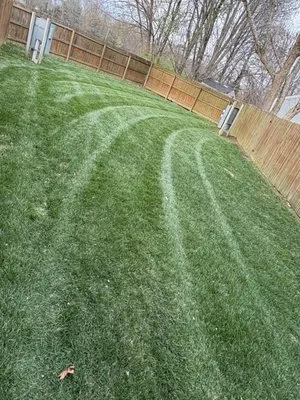
The Other Side Outside Solutions is your trusted, local partner for a healthier landscape in Dale, IN. We specialize in comprehensive tree and lawn care services designed to tackle common local challe...
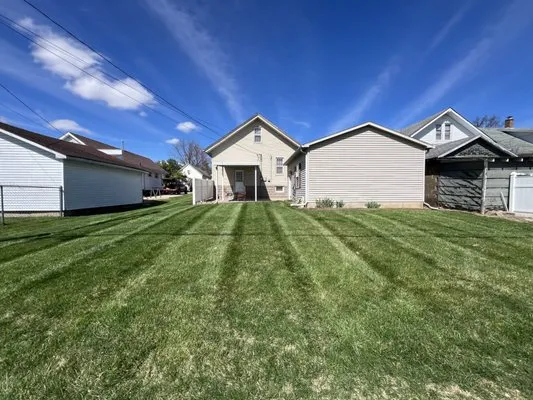
Clover Cutz is a trusted local service provider in Jasper, Indiana, specializing in lawn care, junk removal, and pressure washing. We understand that Jasper homeowners frequently face landscaping chal...
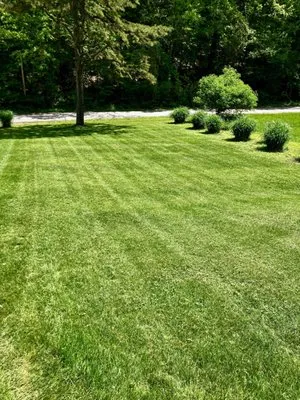
Milson Services is a trusted lawn care provider serving the Shoals, IN community. We specialize in addressing common local landscaping challenges like bare lawn patches and patchy grass that many home...
Green Thumb Professional Landscaping & Garden Ctr
Green Thumb Professional Landscaping & Garden Center has been a cornerstone for gardening and outdoor living in Saint Anthony for years. More than just a nursery, we combine a vast selection of high-q...
C3 Mowing is a dedicated lawn care provider serving Jasper, IN, and the surrounding Dubois County area. We specialize in addressing the common local landscaping challenges of tree root lawn damage and...
JB Mowing is a trusted local lawn and tree care service in Celestine, IN. We specialize in diagnosing and treating common local yard problems like bare patches and persistent moss growth that thrive i...
Estimated Landscaping Service Costs in Jasper, IN
FAQs
With no current water restrictions, is a smart irrigation controller still necessary for my lawn?
Yes. Smart Wi-Fi ET-based controllers are a proactive water conservation tool, not merely a restriction response. They adjust runtime by calculating local evapotranspiration (ET) rates, applying only the precise water volume your Tall Fescue blend requires that day. This technology prevents overwatering, which exacerbates Jasper's seasonal ponding issues, and builds a resilient turf profile capable of withstanding future drought stages while staying well within municipal water system capacities.
Is Indiana Limestone a good choice for a new patio compared to composite or wood?
Indiana Limestone is a superior, durable local material with a lifespan measured in decades, unlike wood which requires regular sealing and replacement. Its high thermal mass and non-combustible nature contribute to Firewise principles for creating defensible space in Jasper's Moderate-rated urban interface zone. For stability, a properly compacted base of crushed stone is non-negotiable to prevent settling in our freeze-thaw cycles, ensuring the installation remains level and functional long-term.
My lawn in the Jasper Downtown District looks thin and struggles with compaction. Is this related to my home's age?
Homes built around 1984, like many in this area, have landscapes with over 40-year-old soil profiles. Jasper's dominant silt loam becomes heavily compacted over decades of standard maintenance, reducing air and water permeability for root systems. Core aeration followed by adding a half-inch of compost is essential to rebuild soil structure and microbial activity. This process directly addresses the inherent low organic matter in these mature lawns, facilitating deeper root growth for your Kentucky Bluegrass and Tall Fescue blend.
Do I need a permit to regrade my yard or install a drainage system?
Regrading that alters water flow across a 0.22-acre property line or involves significant soil movement often requires review by the City of Jasper Engineering Department to ensure compliance with drainage ordinances. Furthermore, any contractor performing this specialized work must hold appropriate licensing through the Indiana Professional Licensing Agency. This protects homeowners from liability and substandard work that could cause downstream erosion or structural issues, making verification of active licensure a critical first step.
We have a low spot that holds water every spring. What is the best long-term solution?
Moderate seasonal ponding often indicates a subsurface clay pocket inhibiting percolation in Jasper's silt loam. A graded dry creek bed or a French drain system can redirect this water. For any new patios or walkways, specifying permeable jointing for Indiana Limestone pavers increases surface infiltration, often a requirement for the City of Jasper Engineering Department's stormwater runoff standards. Correcting grade to move water away from the foundation is the critical first step.
What invasive species should I watch for, and how do I treat them safely?
Proactive scouting for invasive plants like Japanese Knotweed, Callery Pear, and Garlic Mustard is crucial. Manual removal is effective for early infestations. For chemical interventions, always use Indiana Department of Agriculture-labeled herbicides and strictly adhere to the state's Phosphorus application restrictions, which prohibit phosphorus-containing fertilizers on established lawns to protect watersheds. Treatment timing outside of blackout dates and targeted spot applications prevent collateral damage to desirable native plants and soil biology.
How quickly can a crew respond for an emergency cleanup or to address an HOA compliance notice?
For time-sensitive requests, a crew can typically be dispatched from our staging area near the Jasper Riverwalk within the hour. Using US-231 provides direct arterial access to the Downtown District, ensuring a reliable 15 to 20-minute travel window during peak periods. This routing is planned to meet common deadlines for storm debris removal or correcting turf height violations, with communication updates provided en route.
I want to reduce mowing, gas usage, and noise. What are my options?
Transitioning perimeter lawn areas to a native plant community is a strategic solution. Species like Purple Coneflower, Butterfly Milkweed, and Little Bluestem are adapted to Zone 6b and require no weekly mowing, fertilization, or frequent watering once established. This shift preemptively addresses evolving noise ordinances targeting gas-powered blowers and mowers, reduces your carbon footprint, and provides superior habitat value, aligning with 2026 biodiversity and landscape electrification trends.
