Top Landscaping Services in Huntington, IN, 46750 | Compare & Call

There are 92 landscaping companies server in Huntington IN

Three Brothers Outdoor Services is a Fort Wayne-based company specializing in comprehensive outdoor solutions, including masonry/concrete work, roofing, and landscaping. With a commitment to trust, in...
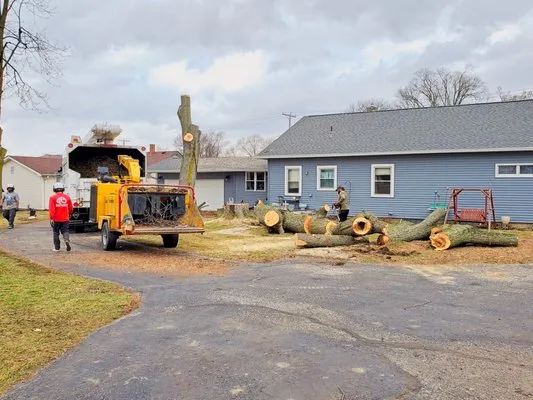
At Infinity Outdoor Services, we are a professional tree and landscape company serving Fort Wayne, IN, and the surrounding communities. With over 35 years of combined urban forestry experience, our te...
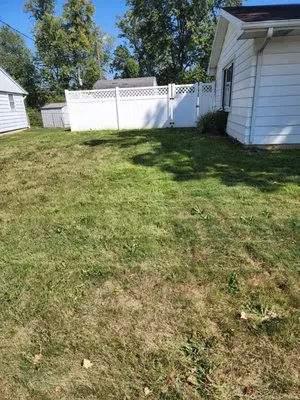
Brian's Mowing is a trusted Fort Wayne lawn care service dedicated to keeping local yards healthy and beautiful. We specialize in comprehensive lawn care solutions that directly address common Fort Wa...
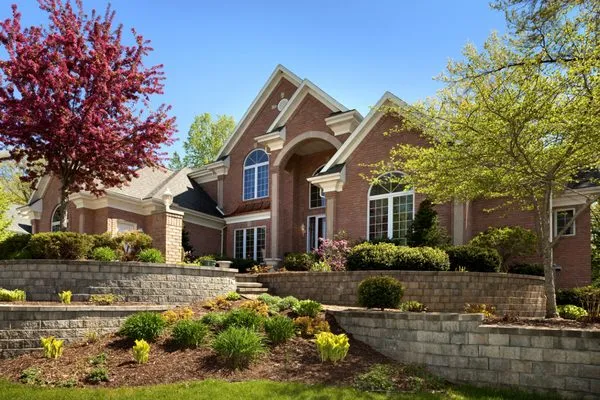
For over 50 years, LK Landscaping has been the trusted name for lawn care and landscape solutions in Fort Wayne, IN. We provide comprehensive services to keep your property looking its best through ev...

Wheatcraft Tree & Lawn is a family-owned and operated local business serving Fort Wayne, IN, and surrounding communities since 2007. Founded on a commitment to excellence, we provide dependable tree c...

Snapshot Landscaping is your trusted, locally-owned lawn care and snow removal expert in Fort Wayne, Indiana. We understand the specific challenges Fort Wayne homeowners face, like poor lawn grading t...
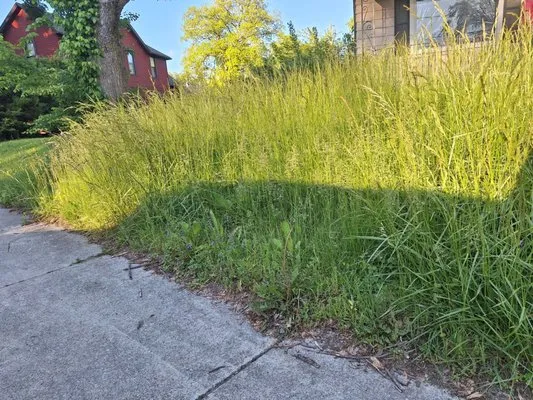
With over 30 years of experience in Fort Wayne, Darick leads All About Tree & Turf Services, providing reliable tree and lawn care solutions. Specializing in everything from artificial turf installati...
Vlot Outdoor Services, founded and operated by Keith, is a dedicated local business serving Fort Wayne since 2018. Keith brings over seven years of hands-on experience in the green industry, having ho...
Lewis Bros Landscaping & Home Services is a locally owned and operated business serving New Haven, Fort Wayne, and surrounding communities in Indiana. We specialize in providing reliable, affordable l...

Sabol and Son’s Property Maintenance
Sabol and Son's Property Maintenance is a trusted, full-service provider serving New Haven, IN. We combine expert landscaping, professional electrical work, and reliable snow removal to keep your prop...
Estimated Landscaping Service Costs in Huntington, IN
Question Answers
My yard floods after heavy rain. What's a long-term fix that also looks good?
Poor infiltration is inherent to the clay-heavy Blount-Pewamo soil. Beyond regrading, specify permeable hardscapes. Concrete pavers set on an open-graded aggregate base or a bed of crushed limestone create a stable surface that allows stormwater to infiltrate locally. This approach often meets Huntington City Department of Community Development runoff standards by reducing the volume and velocity of water leaving your property.
How quickly can a crew arrive for an emergency tree limb cleanup to meet HOA compliance?
For urgent storm response in Huntington, a crew can typically be dispatched within 15-20 minutes during peak hours. The standard routing originates from the Huntington County Courthouse, proceeding east via US-24 to reach Drovers Park efficiently. This timeframe accounts for traffic and allows for immediate site assessment and mitigation of safety hazards or covenant violations.
Why does my lawn in Drovers Park struggle to absorb water, and why does it feel so compacted?
Homes in your neighborhood, built around 1951, have soils that have settled for over 75 years. The prevalent Blount-Pewamo Silt Loam has a high clay fraction, which compacts under decades of foot traffic and standard mowing. This compaction severely reduces soil percolation, creating a dense layer that restricts root growth and water infiltration. Core aeration, followed by amending with compost, is essential to rebuild soil structure and improve permeability for healthier turf.
Is it wasteful to water my Kentucky Bluegrass lawn given the local water advisories?
Not with proper technology. While voluntary conservation is advised, smart Wi-Fi ET-based irrigation controllers are the solution. These systems use local evapotranspiration data to apply only the precise amount of water lost daily to atmosphere and sun, adjusting for rain. This method maintains turf health within municipal water system limits by preventing the overwatering common with traditional timer-based systems.
I want a lower-maintenance, eco-friendly yard. What should I plant?
Transition high-maintenance turf areas to a palette of Indiana natives like Purple Coneflower, Butterfly Milkweed, Little Bluestem, and Wild Bergamot. These species are adapted to Zone 6a, require minimal watering once established, and support local pollinators. This xeriscaping approach reduces mowing frequency and future-proofs your property against potential gas-blower restrictions, aligning with evolving noise and emissions ordinances.
Do I need a permit to regrade my backyard, and who is legally allowed to do the work?
Yes, significant regrading on a 0.22-acre lot typically requires a permit from the Huntington City Department of Community Development to ensure proper stormwater management. The work must be performed by or under the supervision of a professional licensed by the Indiana Professional Licensing Agency. This licensing ensures the contractor understands soil mechanics, drainage law, and can execute plans that prevent erosion or negative impacts on adjacent properties.
Are concrete pavers a better choice than wood for a new patio?
For longevity and low maintenance in Huntington's climate, concrete pavers are superior. They resist frost heave, do not rot or warp, and have a lifespan measured in decades. While the local Fire Wise rating is low, the non-combustible nature of pavers or crushed limestone also provides inherent defensible space, a consideration for any landscape material selection in a changing climate.
What are the most aggressive weeds here, and how do I treat them without harming the river?
Invasive species like Japanese knotweed and garlic mustard pose significant risks. Treatment requires precise timing and method to avoid violating state guidance on phosphorus and herbicide application near waterways. Manual removal or targeted, non-broadcast herbicide applications during specific growth stages are effective. Always adhere to recommended blackout dates and buffer zones to protect local watersheds from nutrient and chemical runoff.
