Top Landscaping Services in Highland, IN, 46322 | Compare & Call
There are 154 landscaping companies server in Highland IN
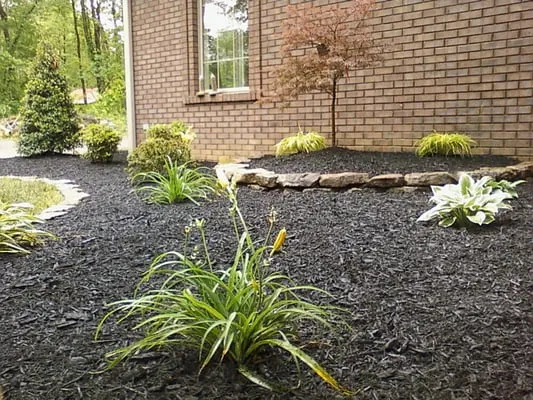
Dustin founded TrimWorks Lawn & Landscape in Newburgh, IN, in 2008 after years of experience in the lawn care industry. He started the company with a simple, guiding principle: to treat every customer...
J&B Services is a locally-owned and operated landscaping and property maintenance company serving Evansville and Vanderburgh County. Founded in 2019, we've built our reputation on reliable, hands-on s...
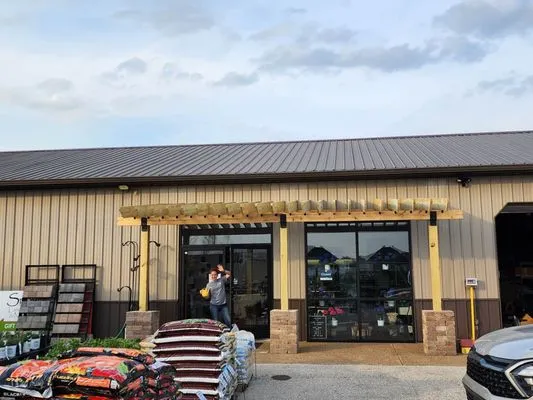
Snow's Landscape & Nursery
Snow's Landscape & Nursery has been serving Newburgh and the surrounding Vanderburgh and Warrick County communities since 2012. Owner Travis Snow grew up with a passion for planting and growing, which...
Matt's Lawn Care has been a trusted Evansville landscaping partner since 1986, providing reliable lawn care, irrigation, and shrub services to both residential and commercial properties. As a licensed...
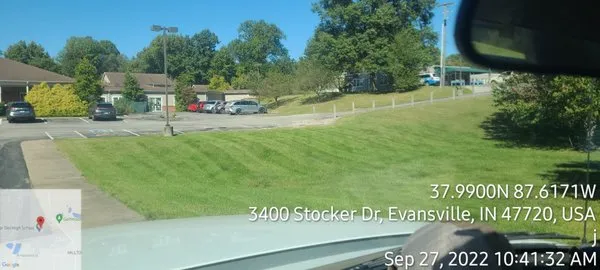
Evansville Lawn & Landscape
Evansville Lawn & Landscape provides reliable lawn care, snow removal, and tree services for homeowners and businesses across the greater Evansville area, including McCutchanville and Henderson. We un...
Nellis Lawn & Landscape is a locally owned and operated Evansville business, founded in 2019 by owner Noah Nellis. From the ground up, Noah has built the company on a foundation of hard work and dedic...
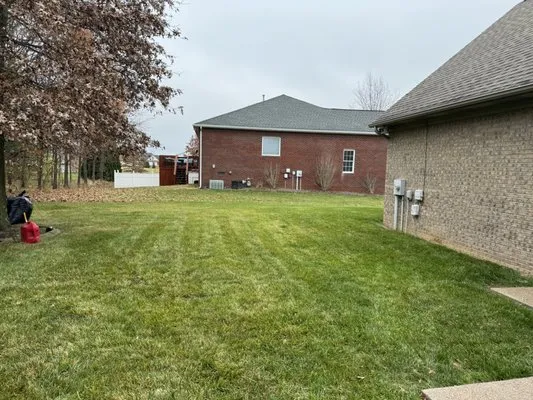
K&C House Services is a trusted, local property maintenance provider in Owensville, IN. We combine expertise in lawn care, window cleaning, and pressure washing to offer a comprehensive solution for h...

Absolutely Affordable Lawn Care is a locally owned and fully insured lawn service that has been maintaining properties across Evansville, McCutchanville, and Newburgh for over a decade. We specialize ...
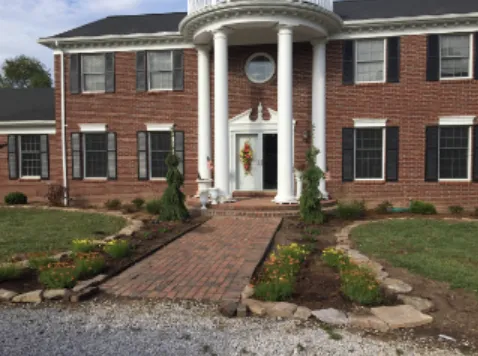
Rich's Lawnscape is a Newburgh, IN-based landscaping company specializing in comprehensive outdoor solutions for local homeowners. We address common local issues like irrigation timer failures and tre...
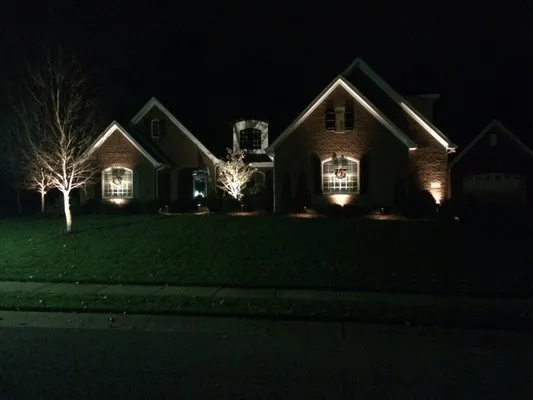
Second Nature Landscape Management has been a trusted partner for Newburgh homeowners since 2004, dedicated to creating and maintaining beautiful, sustainable outdoor spaces. We focus on the details, ...
Estimated Landscaping Service Costs in Highland, IN
Common Questions
Is it possible to keep a healthy lawn while following water conservation guidelines?
Absolutely. Under Highland's Stage 0 voluntary conservation, the key is precision. Wi-Fi ET-based irrigation controllers use local weather data to apply water only when evapotranspiration rates demand it, avoiding waste. For your Kentucky Bluegrass and Tall Fescue blend, this means deep, infrequent watering cycles that encourage drought-tolerant root growth. Properly calibrated, this system maintains turf health while staying well within municipal water use expectations.
Why does my lawn in Highland Main Square have such dense, heavy soil that's hard to water?
Highland's older neighborhoods, with homes averaging from the 1960s, have soil that is approximately 60 years in development. Over decades, foot traffic and traditional maintenance have compacted the native Mollisols, a silty clay loam. This compaction reduces permeability and oxygen availability to roots. Annual core aeration in early fall is critical to fracture this pan, followed by top-dressing with compost to rebuild organic matter and improve soil structure for the long term.
How quickly can you respond for an emergency tree cleanup after a storm?
For urgent storm response in Highland, our dispatch from the Wicker Memorial Park area utilizes I-80/I-94 for direct access. This routing typically ensures a 20 to 30-minute arrival during peak periods, aligning our response with critical HOA or safety compliance deadlines. We prioritize triage for hazardous limbs and clearing access roads, coordinating with local utilities as required to secure the site efficiently.
Are concrete pavers a better long-term choice than wood for a new patio?
For longevity and low maintenance in USDA Zone 6a, concrete pavers are superior. They resist frost heave, do not rot or splinter, and have a lifespan decades longer than wood. Their modular design allows for excellent permeability when installed with polymeric sand. While Highland's Fire Wise rating is low, the non-combustible nature of pavers also contributes to defensible space, a consideration for any landscape material selection.
My yard has persistent wet spots each spring. What's the solution?
Seasonal ponding is common here due to Highland's high water table and slow-draining silty clay loam. The solution integrates grading and subsurface infrastructure. Installing French drains or dry wells intercepts groundwater, while regrading directs surface flow away from foundations. Using permeable materials like crushed limestone for paths increases infiltration. All such work must meet the runoff management standards of the Highland Building and Inspections Department.
What are my options for a lower-maintenance, eco-friendly yard?
Transitioning to a climate-adaptive landscape is a strategic move. Replacing resource-intensive turf with a matrix of deep-rooted natives like Little Bluestem, Purple Coneflower, and Prairie Dropseed drastically reduces mowing, watering, and chemical needs. This established planting is resilient, supports local pollinators, and creates a buffer against future noise ordinances that may restrict gas-powered blowers and mowers during certain hours.
Why does my landscaper need a special license to regrade my half-acre lot?
Significant earth-moving and grading alter the property's drainage profile, impacting neighboring lots and municipal systems. In Indiana, contractors performing this work must hold appropriate licensing through the Indiana Professional Licensing Agency. The Highland Building and Inspections Department requires permits for such projects to ensure engineered plans comply with local erosion control and stormwater ordinances, which are strictly enforced on all properties, including those around 0.22 acres.
How should I deal with invasive weeds without using harsh chemicals?
Targeted mechanical and cultural controls are most effective and safe. For perennial invaders like creeping Charlie, a fall application of a selective, phosphorus-free herbicide is permissible under local ordinance, followed by overseeding. Promoting dense, healthy turf through proper mowing height and soil health is the best defense. Always check the Indiana Department of Natural Resources for the current invasive species alert list to identify new threats early.
