Top Landscaping Services in Henryville, IN, 47126 | Compare & Call

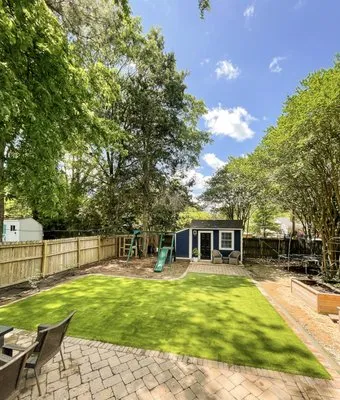
Jays Landscaping and Lawncare in Henryville, IN, is built on a foundation of friendship, dedication, and a heartfelt promise. The business began as the dream of a close friend, and after his passing, ...

Southern Indiana Lawn Care is your trusted local partner in Henryville, IN, specializing in snow removal and landscaping services. We understand the unique challenges Henryville homeowners face, from ...
River Jem Remedies is your trusted local solution in Henryville, IN, specializing in landscaping, general contracting, and handyman services. We understand that many homes in our community face common...
Questions and Answers
Why does my soil seem so compacted and lifeless compared to older neighborhoods?
Homes built around 1997 in the Henryville Historic District have soils approximately 29 years old, which is insufficient time for robust topsoil development under typical construction practices. Your silt loam soil, with its fine particles, is prone to compaction from decades of foot traffic and mowing, reducing permeability and organic matter. Core aeration in early spring or fall, paired with incorporating 1-2 inches of compost, is critical to improve soil structure and support healthy root systems for your Tall Fescue lawn.
My yard gets soggy for days after a rain. What's a long-term fix?
Seasonal saturation is common in Henryville's silt loam due to its moderate percolation rate. A functional solution involves regrading to create positive slope away from foundations and installing French drains in chronic wet areas. For new hardscape, specifying permeable concrete pavers or open-joint limestone meets Clark County Planning & Zoning runoff standards by allowing water infiltration, directly mitigating surface runoff.
Are concrete pavers a better choice than wood for a new patio?
In Henryville's climate, concrete pavers and limestone offer superior longevity with minimal maintenance compared to wood, which is prone to rot and insect damage. These materials provide excellent stability and do not require chemical treatments. Their non-combustible nature also supports maintaining defensible space, which is a consideration even in our low Fire Wise rating area, by reducing flammable materials adjacent to the home.
Why do some landscaping projects require a licensed contractor?
Significant earthwork, such as regrading a 0.35-acre lot or installing structural drainage, falls under regulated construction activity. The Clark County Planning & Zoning office may require permits to ensure changes do not adversely affect stormwater management or property lines. The Indiana Professional Licensing Agency mandates specific licensing for contractors performing this work, which provides you with legal recourse and verifies they carry required insurance and bonding.
How do I deal with invasive weeds without harming my lawn or breaking local rules?
For invasive species like Japanese Knotweed or Wintercreeper, targeted spot-treatment with EPA-approved herbicides is most effective during active growth phases, typically late spring. You must avoid any application on impervious surfaces like driveways to comply with the state fertilizer ordinance. For broader lawn health, a soil test will determine precise nutrient needs, preventing unnecessary fertilizer use that can feed weeds.
Is it possible to have a green lawn in Henryville without wasting water?
Yes, using Wi-Fi ET-based weather-sensing irrigation technology is the professional standard. This system automatically adjusts runtime based on real-time evapotranspiration data, applying water only when your Tall Fescue needs it. Even with no formal water restrictions, this method aligns with standard conservation practices, preventing overwatering that leads to runoff on your silt loam soil and promoting deeper, drought-resistant roots.
What are lower-maintenance alternatives to my high-input lawn?
Transitioning perimeter areas to a native plant community is a forward-looking strategy. Species like Eastern Redbud, Purple Coneflower, Swamp Milkweed, and Little Bluestem are adapted to Zone 6b and require no fertilization, minimal watering once established, and no weekly mowing. This shift reduces dependency on gas-powered blowers and mowers, positioning your property ahead of evolving noise ordinances and supporting 2026 biodiversity benchmarks.
How fast can you respond for an emergency storm cleanup to avoid HOA violations?
For urgent HOA compliance or storm-related debris removal, our standard dispatch from the Henryville Community Center uses I-65 for direct arterial access to the Historic District. Accounting for peak traffic congestion, we project a 20-30 minute arrival window for crew mobilization. This routing ensures efficient equipment transport for immediate limb removal and site safety mitigation.
