Top Landscaping Services in Greenwood, IN, 46131 | Compare & Call
There are 205 landscaping companies server in Greenwood IN

For over 30 years, McDaniel's Lawn Care has been a trusted name in Greenwood, IN, growing from a family vision into a reliable local institution. My grandfather laid the foundation for a company built...
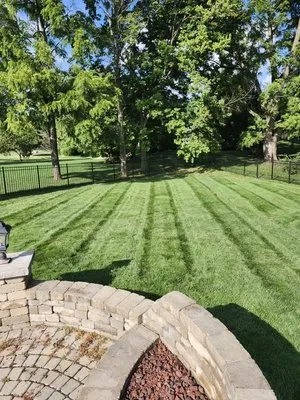
Ro's Lawn and Landscape is a trusted local lawn care provider serving Greenwood, Indiana. We specialize in comprehensive lawn care services designed to tackle the specific challenges homeowners face i...
Tru Trees and Landscaping is a trusted Greenwood, IN provider of comprehensive tree care and landscape services. We understand the common challenges local homeowners face, such as overgrown shrubs and...

Hoosier Landscape Solutions is a trusted lawn care provider serving homeowners in Greenwood, Indiana. We specialize in comprehensive lawn maintenance designed to combat common local issues like damagi...
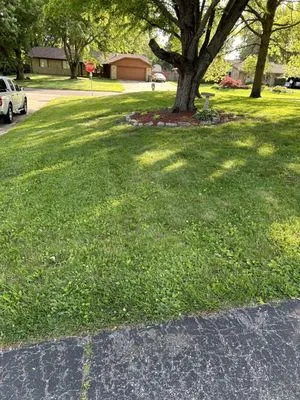
Z&M Lawncare is your trusted local partner for a healthy, beautiful lawn in Greenwood, IN. We understand the common challenges homeowners face in our area, such as poor yard drainage and persistent sp...
Father Nature Landscaping has been a trusted Indianapolis landscaping partner since 1989, bringing over 31 years of hands-on experience to every project. We specialize in creating practical, low-maint...
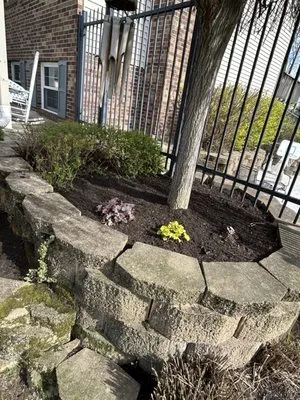
S&B Lawn Care is a trusted, locally-owned lawn service provider serving Greenwood, Indiana. We specialize in comprehensive lawn care solutions designed to keep your property healthy and vibrant. A com...

Handy Rob's Mobile Maintenance Service is a Greenwood, IN-based business built on a foundation of hands-on experience and a personal commitment to every customer. Owner Rob combines over a decade of p...
Ark Lawn and Landscaping, LLC is a licensed, insured, family-owned landscaping business serving Indianapolis, IN, with over 8 years of experience. We specialize in residential lawn care and landscape ...
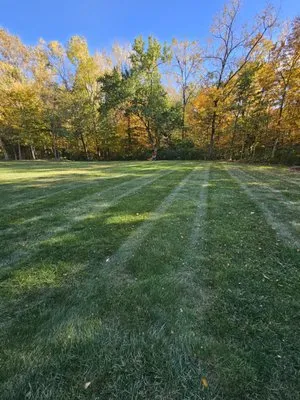
Barber Your Lawn LLC is a locally owned and operated lawn care company serving Greenwood, IN. Our team is comprised of local firefighters, a background that instills a strong sense of discipline, reli...
Estimated Landscaping Service Costs in Greenwood, IN
FAQs
What solutions exist for yard ponding in Greenwood's clay soil areas?
Moderate seasonal ponding in silt loam with clay pockets requires improving soil permeability through French drains or dry creek beds lined with gravel. Replacing impervious surfaces with permeable concrete pavers or limestone aggregate meets Greenwood Department of Community Development Services runoff standards. These materials allow 4-8 inches per hour infiltration rates, redirecting water from foundation areas while complementing existing hardscape aesthetics.
Why does my Old Town Greenwood yard have drainage issues and compacted soil?
Greenwood lots built around 1994 have approximately 32 years of soil development, which in silt loam soils often leads to compaction from foot traffic and equipment. The pH range of 6.5-7.2 indicates adequate nutrient availability, but silt loam's fine particles reduce permeability over time. Core aeration every 1-2 years and adding 2-3 inches of composted organic matter can restore soil structure and improve water infiltration. This addresses the moderate seasonal ponding common in low-lying clay pockets throughout the neighborhood.
How quickly can you respond to an emergency tree cleanup after a storm?
Our electric maintenance fleet can dispatch from Greenwood Park via I-65 within 25-35 minutes during peak conditions, adhering to standard noise limits between 6:00 AM and 10:00 PM. This routing minimizes traffic delays while ensuring compliance with HOA requirements for debris removal. We prioritize safety assessments and immediate hazard mitigation, with full cleanup typically completed within the same business day depending on storm severity.
What permits and licenses are needed for grading my Greenwood property?
Grading projects on 0.22-acre lots typically require permits from the Greenwood Department of Community Development Services, especially when altering drainage patterns or moving more than 50 cubic yards of soil. Contractors must hold appropriate licensing through the Indiana Professional Licensing Agency, particularly for work affecting property lines or stormwater systems. Unlicensed grading can result in fines up to $5,000 and mandatory restoration orders for violating erosion control standards.
Are concrete pavers or wood better for Greenwood patio installations?
Concrete pavers and limestone offer 25-40 year lifespans with minimal maintenance, compared to wood's 10-15 year expectancy requiring regular sealing. These materials provide non-combustible surfaces appropriate for Greenwood's low fire-wise rating urban setting. Properly installed permeable pavers also manage stormwater runoff more effectively than wood decking, reducing erosion and meeting municipal infrastructure requirements for 0.22-acre lots.
What native plants reduce maintenance while supporting local ecology?
Transitioning high-maintenance turf to Purple Coneflower, Butterfly Milkweed, Little Bluestem, Wild Bergamot, and Ohio Goldenrod creates drought-resistant habitats requiring minimal irrigation. These natives support pollinator populations while eliminating weekly mowing and gas-powered equipment use ahead of evolving noise ordinances. Established native plantings need only seasonal trimming, reducing carbon emissions and aligning with 2026 biodiversity standards for urban landscapes.
How do I maintain Tall Fescue turf without wasting water in Greenwood?
Smart Wi-Fi ET-based weather sensing irrigation systems calculate evapotranspiration rates to deliver precise water amounts, typically 1-1.5 inches weekly during active growth periods. This technology adjusts for rainfall and temperature fluctuations, preventing overwatering despite the absence of formal water restrictions. Properly calibrated systems can reduce municipal water usage by 20-30% while maintaining Tall Fescue health through Greenwood's USDA Zone 6b growing season.
How should I manage invasive species without harming waterways?
Identify common invasives like Japanese knotweed or garlic mustard through early spring scouting before they establish. Manual removal or targeted herbicide applications during dry periods prevent phosphorus runoff violations under state guidance. Schedule treatments outside of blackout dates near waterways, typically avoiding April through June when soil saturation risks contaminant transport. Always verify current regulations with the Indiana Professional Licensing Agency before application.
