Top Landscaping Services in Goshen, IN, 46517 | Compare & Call


First Service Dan is a family-owned, multi-purpose business serving homeowners in Goshen, Indiana, and surrounding areas like Fort Wayne, Elkhart, and South Bend. We specialize in pressure washing, la...
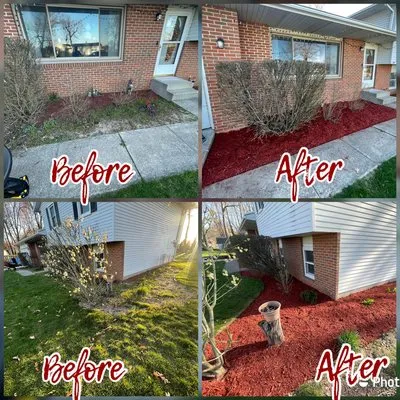
JF Mowing and Trimming is a dedicated Goshen lawn care provider focused on keeping local yards healthy and resilient. Serving the Goshen community, we understand the common challenges homeowners face,...
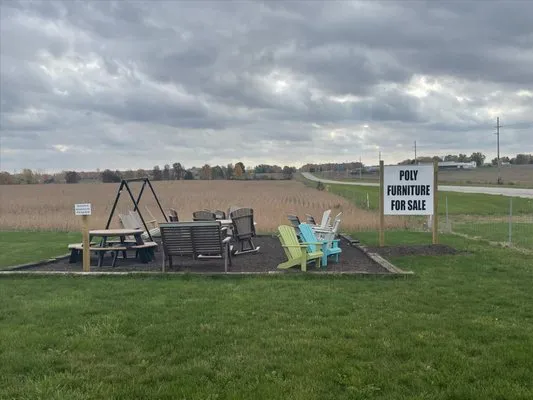
Martin's Mulch & Poly Lawn Furniture is a locally-owned-and-operated business serving Goshen, IN, and surrounding Elkhart County since 2017. We specialize in handmade mulch and durable poly lawn furni...
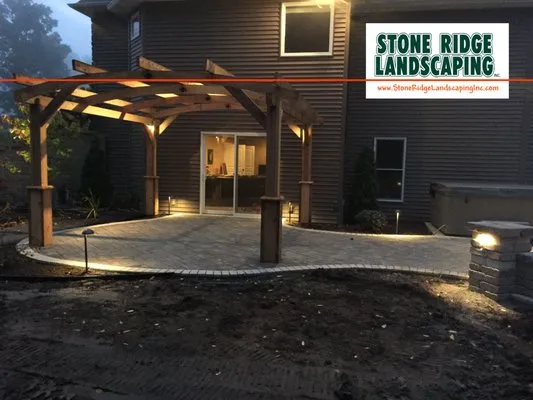
Stone Ridge Landscaping Inc. is a trusted local resource serving homeowners in Goshen, Elkhart, Mishawaka, South Bend, Middlebury, Syracuse, and nearby communities. We combine deep horticultural knowl...
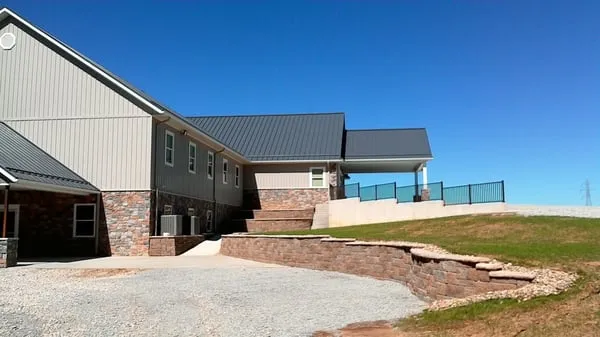
Founded in 1998, Keith's Lawn has grown from a dedicated lawn seeding company into Goshen's trusted source for complete landscaping and outdoor living solutions. Starting with a focus on grading and s...

Liberty Lawn and Landscape is a trusted Goshen-based provider dedicated to enhancing and protecting the natural beauty of your property. We specialize in comprehensive tree care services and consisten...
Lawn Legends is a family-owned lawn and snow maintenance service based right here in Goshen, IN, proudly extending our reliable care to neighboring Elkhart and Bristol. We focus on providing consisten...
New Acre Nursery & Landscaping is a Goshen-based landscaping company dedicated to transforming local outdoor spaces. We specialize in diagnosing and resolving common area lawn issues like dead patches...
Rick's Landscaping is a family-owned and operated Goshen business with deep roots in the community, having served homeowners since 1975. As certified installers, we combine decades of hands-on experie...
New Vistas Landscaping has been a trusted Goshen landscape partner since 1980, founded on the principle that a great outdoor space should reflect the people who use it. We are led by FAPLD Certified D...
Q&A
What solutions address seasonal water pooling in my Goshen yard?
Miamian-Celina Loam's poor infiltration requires engineered drainage solutions to manage seasonal high water tables. Permeable concrete pavers or crushed limestone installations create surfaces that allow water penetration while meeting Goshen Building Department runoff standards. French drains or dry wells may be necessary in severe cases, directing water away from foundations and preventing soil saturation that compromises plant health and hardscape integrity.
What permits and licenses are required for regrading my 0.22-acre property?
Grading work on 0.22-acre lots typically requires permits from the Goshen Building Department to ensure compliance with erosion control and drainage standards. The Indiana Professional Licensing Agency mandates that contractors performing significant earthmoving hold appropriate licensing, as improper grading can create downstream flooding issues. Professional oversight ensures engineered solutions that address soil stability and water management while protecting adjacent properties from runoff impacts.
Are concrete pavers or wood better for long-term durability in Goshen's climate?
Concrete pavers and crushed limestone offer superior longevity to wood in Goshen's freeze-thaw cycles, with lifespans exceeding 25 years versus wood's 10-15 years. These materials maintain structural integrity without rotting or warping, and their non-combustible nature supports defensible space requirements even in low Firewise rating areas. Proper installation with adequate base materials ensures stability and drainage performance that wood cannot match in Indiana's variable climate conditions.
How do I maintain my Kentucky Bluegrass and Tall Fescue blend during dry periods without violating water guidelines?
Smart Wi-Fi soil moisture sensor controllers provide precise irrigation by measuring actual soil conditions rather than operating on fixed schedules. These systems adjust watering based on evapotranspiration rates and soil percolation data, typically reducing water use by 20-40% compared to traditional timers. This approach maintains turf health while staying within Goshen's voluntary conservation framework, preventing both overwatering and drought stress during peak growing seasons.
What are the benefits of replacing traditional turf with native plants in my landscape?
Transitioning to Purple Coneflower, Wild Bergamot, Butterfly Milkweed, and Little Bluestem reduces maintenance demands by 60-80% compared to conventional turf. These natives require minimal watering once established and eliminate weekly mowing, aligning with evolving noise ordinances that may restrict gas-powered equipment. The deep root systems improve soil structure and support local pollinators, creating a resilient landscape that adapts to Goshen's Zone 6a climate without chemical inputs.
How quickly can you respond to an HOA violation notice for overgrown vegetation?
Emergency cleanup crews dispatch from Shanklin Park via US-33, reaching Southside properties within 15-20 minutes during standard operating hours. This route optimization allows for rapid response to compliance issues while adhering to noise ordinance restrictions from 10 PM to 7 AM. Crews prioritize immediate vegetation management to address violation notices, with follow-up scheduling for comprehensive landscape adjustments if needed.
How should I manage invasive species without harming my established plants?
Early identification and targeted removal prevent invasive species from compromising landscape health. Manual extraction works for young infestations, while selective herbicide applications follow state phosphorus runoff guidelines during appropriate seasons. Timing treatments outside of heavy rainfall periods minimizes environmental impact, and integrating competitive natives like those from Goshen's recommended list creates biological barriers against reinfestation without violating fertilizer ordinances.
Why does my Southside Goshen lawn struggle with compaction and poor drainage?
Properties built around 1980 in the Southside neighborhood have soil that has matured for approximately 46 years, developing a dense structure in Miamian-Celina Loam. This soil type naturally tends toward compaction, reducing permeability and creating seasonal drainage issues. Core aeration every 1-2 years is essential to break up soil layers and improve oxygen exchange. Incorporating organic amendments like compost enhances soil structure and supports microbial activity for healthier turf establishment.
