Top Landscaping Services in Fort Wayne, IN, 46774 | Compare & Call


Three Brothers Outdoor Services is a Fort Wayne-based company specializing in comprehensive outdoor solutions, including masonry/concrete work, roofing, and landscaping. With a commitment to trust, in...
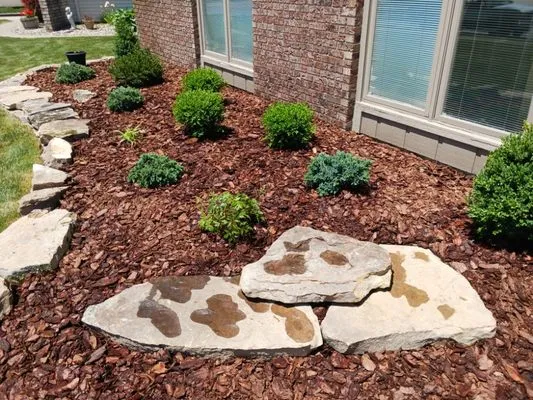
Longardner Landscaping is a family-owned and operated business in Fort Wayne, founded in February 2023 by a husband and wife team. With over 20 years of experience that began when the owner started la...
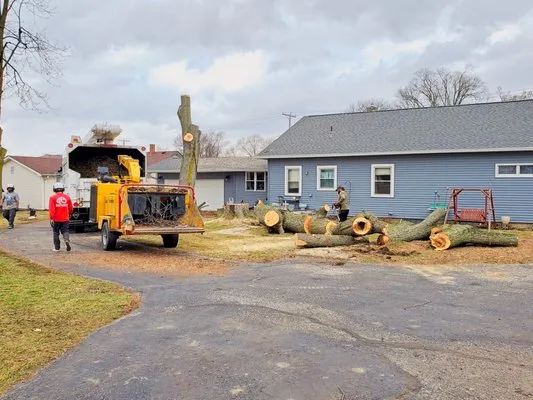
At Infinity Outdoor Services, we are a professional tree and landscape company serving Fort Wayne, IN, and the surrounding communities. With over 35 years of combined urban forestry experience, our te...
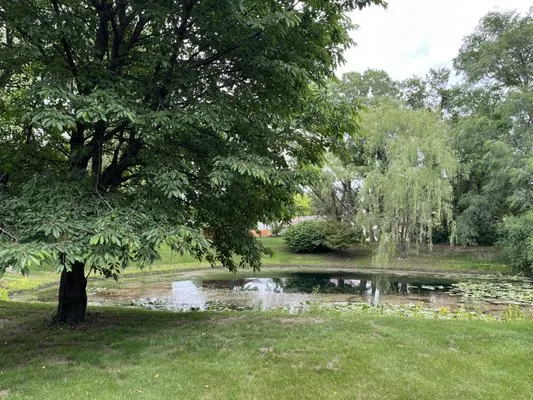
LawnsPlus Landscaping is a Fort Wayne, IN institution founded by owner Jamie Jones in 1995. What began with a single walk-behind mower has grown into a full-service company with a dedicated fleet and ...

Vision Scapes Lawn & Landscape has been serving Fort Wayne, Indiana, since 1994, providing reliable and comprehensive landscaping solutions. As a full-service company, we specialize in landscape desig...

Based in Fort Wayne, Luna's Landscaping Lawn Care is dedicated to helping local homeowners achieve and maintain beautiful, healthy outdoor spaces. Our experienced team brings a practical, detail-focus...

Bruce Ewing Landscaping has been a trusted name in Fort Wayne, IN, since 1956, providing comprehensive landscaping solutions for both residential and commercial properties across Northeast Indiana. As...
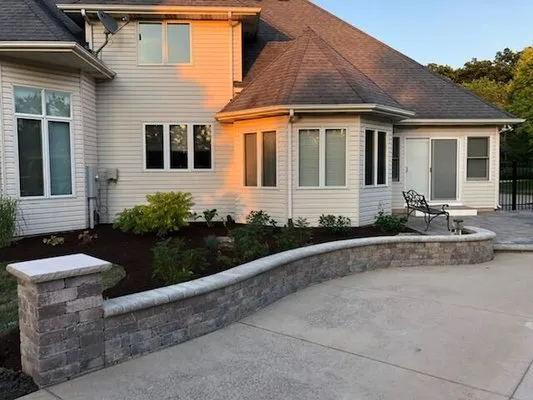
Rowan Landscape & Design
Rowan Landscape & Design is a Fort Wayne-based landscaping company dedicated to transforming local outdoor spaces. We specialize in comprehensive landscape design and construction, from custom patios ...
Blades of Glory Landscaping
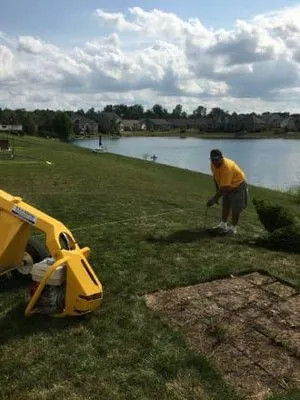
Blades of Glory Landscaping is your trusted Fort Wayne partner for creating and maintaining a beautiful, functional outdoor space. We are a licensed and locally owned company ready to handle any lawn ...
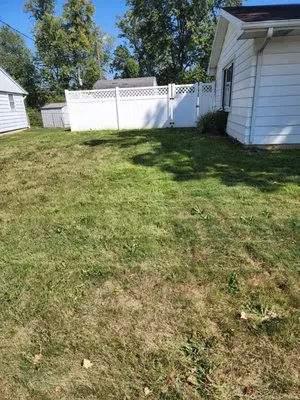
Brian's Mowing is a trusted Fort Wayne lawn care service dedicated to keeping local yards healthy and beautiful. We specialize in comprehensive lawn care solutions that directly address common Fort Wa...
FAQs
Can I maintain a healthy lawn while following Fort Wayne's water conservation guidelines?
Smart Wi-Fi soil moisture sensor controllers optimize irrigation by measuring actual soil conditions rather than operating on fixed schedules. These systems adjust watering based on evapotranspiration rates and precipitation, typically reducing water use by 20-40% while preserving Kentucky Bluegrass and Tall Fescue health. Fort Wayne's standard conservation approach allows flexibility, but ET-based irrigation ensures compliance while preventing overwatering that exacerbates seasonal saturation in clay soils. Proper programming accounts for USDA Zone 6a growing patterns from April through October.
What solutions exist for yards that stay wet long after rain stops?
Seasonal saturation in Blount-Morley Silt Loam requires improving soil permeability through French drains, dry creek beds, or rain gardens that redirect water away from foundations. Indiana Limestone pavers installed with permeable joints and gravel bases meet Fort Wayne Department of Planning and Development runoff standards by allowing water infiltration. For severe cases, subsurface drainage systems with catch basins connected to storm sewers may be necessary, particularly on 0.22-acre lots where grading changes are limited. Soil amendments like expanded shale can also improve percolation rates.
How quickly can you respond to an emergency tree cleanup after a storm?
Emergency storm response from Headwaters Park via I-69 to Forest Park typically requires 25-35 minutes during peak traffic conditions. Our electric maintenance fleet operates within Fort Wayne's 7 AM to 9 PM noise ordinance restrictions, allowing immediate deployment without violating local regulations. We prioritize HOA compliance issues and safety hazards, coordinating with utility companies when necessary. Response time may extend slightly during widespread weather events affecting multiple neighborhoods simultaneously.
What low-maintenance alternatives work for reducing lawn care time and noise?
Transitioning turf areas to native plantings like Purple Coneflower, Swamp Milkweed, Wild Bergamot, and Little Bluestem creates biodiverse landscapes requiring minimal maintenance. These species adapt to Zone 6a conditions without frequent mowing or gas-powered equipment, aligning with noise ordinance trends toward electric alternatives. Native plant communities support pollinators while reducing water needs by 50-75% compared to traditional turf. This approach future-proofs properties against potential gas-blower restrictions and supports 2026 biodiversity standards.
Why does my Forest Park lawn struggle despite regular care?
Forest Park properties built around 1973 have Blount-Morley Silt Loam soil that has matured for 53 years, developing compaction from decades of foot traffic and maintenance. This soil's pH of 6.5-7.2 becomes dense with high clay content, restricting root growth and water infiltration. Core aeration every 1-2 years with organic amendments like compost improves soil structure and microbial activity. Without this intervention, Kentucky Bluegrass and Tall Fescue blends will show thinning and poor drought tolerance.
How should I handle invasive species without violating fertilizer regulations?
Common invasive alerts in Fort Wayne include garlic mustard, Japanese knotweed, and autumn olive, which compete with native vegetation. Treatment involves mechanical removal or targeted herbicide applications during active growth periods, avoiding Indiana's phosphorus application restrictions under IC 15-16-11. Timing interventions before seed set prevents spread while minimizing chemical use. For persistent infestations, solarization or smothering with cardboard and mulch provides organic control methods. Always verify treatment windows don't conflict with local fertilizer blackout dates.
What permits and licenses are needed for regrading my backyard?
Grading work on 0.22-acre lots typically requires erosion control permits from the Fort Wayne Department of Planning and Development when disturbing more than 5,000 square feet. Contractors must hold appropriate licensing through the Indiana Professional Licensing Agency, particularly for drainage modifications affecting stormwater management. Significant grade changes may trigger review under local zoning ordinances, especially near property lines or existing structures. Professional landscape architects or engineers should design systems moving more than 50 cubic yards of soil to ensure compliance with municipal standards.
Why choose limestone over wood for patios and walkways in our area?
Indiana Limestone pavers offer superior longevity with minimal maintenance compared to wood, which requires regular sealing and replacement in Zone 6a's freeze-thaw cycles. Limestone's natural density provides excellent durability for Forest Park's climate while creating defensible space that meets urban interface fire-wise standards. Proper installation with adequate base materials prevents heaving from clay soil expansion. Unlike composite materials, limestone maintains permeability when installed correctly, addressing drainage concerns while providing a permanent landscape feature.
