Top Landscaping Services in Evansville, IN, 47701 | Compare & Call

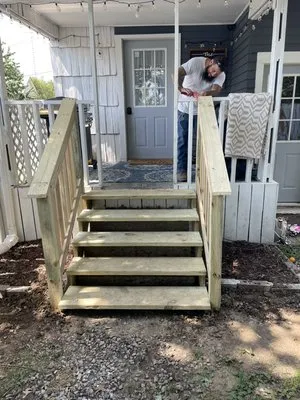
Rent A Man, LLC is a trusted local handyman, plumbing, and lawn service provider serving Evansville, IN and surrounding areas. With years of experience, we specialize in a wide range of home maintenan...
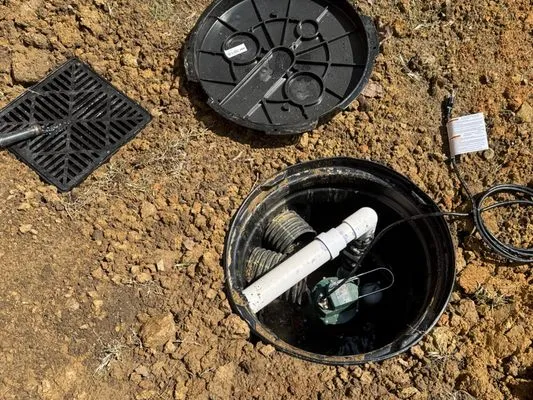
Bean's Landscape Plus is a locally owned and operated landscape service founded in 2016 by a Reitz High School graduate. Rooted in a genuine passion for outdoor work, the business operates on the prin...

Mike's Affordable Lawn Care is your trusted local lawn service provider in Evansville, IN, dedicated to keeping your yard healthy and beautiful year-round. We specialize in comprehensive lawn care, in...

Stocker's Landscaping
Stocker's Landscaping has been a trusted part of the Evansville community since 1959, evolving from a Christmas tree lot into a comprehensive outdoor services provider. As a family-owned business, we ...
VanBeck Stocker's Landscaping and Lawn Care
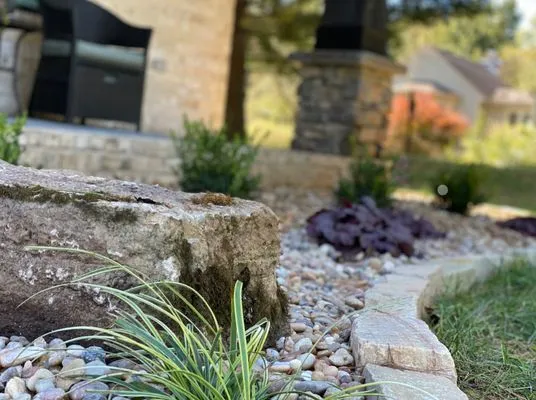
VanBeck Stocker's Landscaping and Lawn Care is a trusted local provider in Evansville, IN, offering comprehensive landscaping and handyman services. With expertise in landscape design, hardscaping, re...
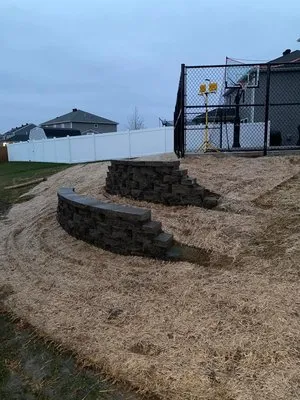
812 Lawns+ is a full-service Evansville landscaping company dedicated to creating and maintaining beautiful, healthy outdoor spaces. We specialize in comprehensive landscape design, expert installatio...

J&B Services is a locally-owned and operated landscaping and property maintenance company serving Evansville and Vanderburgh County. Founded in 2019, we've built our reputation on reliable, hands-on s...
Matt's Lawn Care has been a trusted Evansville landscaping partner since 1986, providing reliable lawn care, irrigation, and shrub services to both residential and commercial properties. As a licensed...
Evansville Lawn & Landscape
Evansville Lawn & Landscape provides reliable lawn care, snow removal, and tree services for homeowners and businesses across the greater Evansville area, including McCutchanville and Henderson. We un...

Nellis Lawn & Landscape is a locally owned and operated Evansville business, founded in 2019 by owner Noah Nellis. From the ground up, Noah has built the company on a foundation of hard work and dedic...
Question Answers
How quickly can you respond to emergency storm damage for HOA compliance?
Our electric maintenance fleet operates within Evansville's residential noise ordinance hours (7 AM-9 PM) for immediate response. From our base near Mesker Park Zoo, we take I-69 to reach Highland properties within 20-30 minutes during peak conditions. This routing allows rapid assessment of downed limbs, debris clearance, and temporary stabilization to meet HOA requirements while coordinating with local utilities for safety protocols.
How do I maintain healthy tall fescue without wasting water?
Wi-Fi ET-based weather sensing irrigation systems calculate evapotranspiration rates specific to Evansville's climate zone 7a. These systems automatically adjust watering schedules based on real-time weather data, applying only what tall fescue needs—typically 1-1.5 inches weekly during peak growth. This technology prevents overwatering despite no formal restrictions, conserving 20-30% compared to traditional timers while maintaining turf health through proper soil moisture management.
What permits and licenses are needed for grading my 0.22-acre lot?
Grading projects exceeding 100 cubic yards of earth movement require permits from the Evansville-Vanderburgh County Building Commission. On 0.22-acre lots, this threshold is easily reached with modest regrading. Contractors must hold Indiana Professional Licensing Agency certification for landscape architecture or excavation work. Proper licensing ensures compliance with erosion control measures, protects adjacent properties from runoff damage, and verifies insurance coverage for the substantial equipment involved.
What's the best solution for moderate runoff in my clay-heavy yard?
Silty clay loam's low permeability creates moderate runoff issues common in Evansville. Installing permeable limestone pavers with ⅜-inch joints filled with angular gravel creates 15-20% void space for water infiltration. This meets Evansville-Vanderburgh County Building Commission runoff standards while preventing pooling. Combine with French drains along property perimeters and rain gardens in low spots to manage stormwater effectively without overwhelming municipal systems.
Are limestone pavers better than wood for long-term durability?
Limestone pavers offer superior longevity with 50+ year lifespans versus wood's 10-15 years in Evansville's freeze-thaw cycles. Their non-combustible nature supports Low Fire Wise Rating compliance for defensible space in urban residential areas. Properly installed with geotextile underlayment and polymeric sand, limestone provides stable, low-maintenance surfaces that resist heaving from clay soil expansion while maintaining permeability for drainage management.
Should I replace some lawn with native plants to reduce maintenance?
Transitioning high-maintenance turf to Evansville natives like Purple Coneflower, Butterfly Milkweed, and Little Bluestem creates climate-adaptive xeriscaping. These deep-rooted species require minimal watering once established and support local pollinators. This approach reduces mowing frequency and eliminates gas-powered blower use, aligning with evolving noise ordinances. Native plantings also sequester more carbon and improve soil health through natural mycorrhizal networks.
What invasive species should I watch for and how do I treat them safely?
Japanese knotweed and garlic mustard pose significant threats in Evansville's zone 7a. Manual removal before seed set is most effective, followed by targeted glyphosate applications to cut stems in fall when natives are dormant. These treatments comply with Indiana's phosphorus-free fertilizer ordinance for established lawns. Regular monitoring in early spring prevents establishment, protecting native Purple Coneflower and Wild Bergamot populations from competition.
Why does my Highland neighborhood soil feel so dense and compacted?
Evansville's Highland area has silty clay loam soil with pH 6.5-7.0, typical for properties built around 1960. With 66 years of soil maturity since construction, this soil has likely developed significant compaction from decades of foot traffic and traditional maintenance. Core aeration every 2-3 years is essential to improve permeability and oxygen exchange. Adding 2-3 inches of compost annually builds organic matter, enhancing soil structure for better root development and water infiltration.
